Oil Gains as Iran War Escalates With Houthi Attacks on Israel


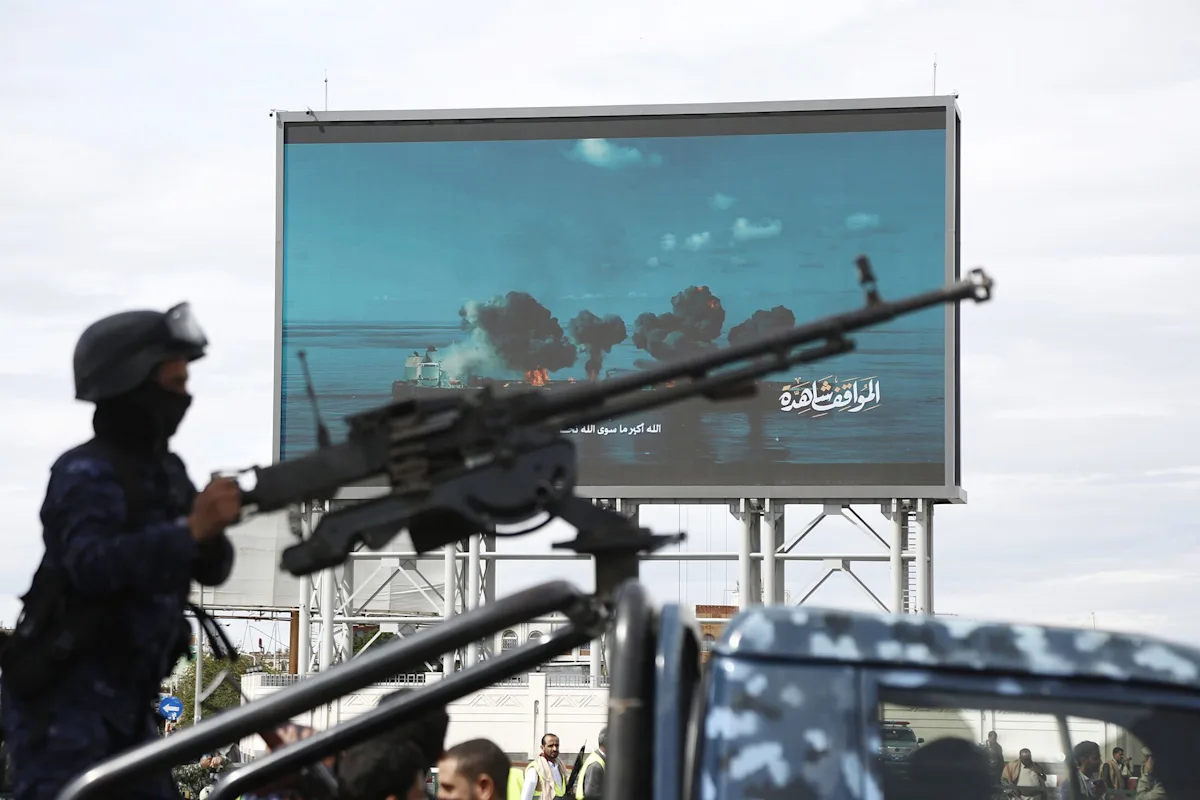
(Bloomberg) — Oil advanced as Iran-backed Houthi militants in Yemen entered the Middle East war and more US troops arrived in the region, raising fears the widening conflict will cause further chaos for energy markets.

Brent — on track for a record monthly gain — surged as much as 3.7% to $116.75 a barrel after the Houthis fired missiles at Israel over the weekend, and said they would continue operations until attacks on Iran and its proxy militant groups cease. West Texas Intermediate jumped above $100.

The US has ordered thousands of troops to the region, fanning fears of a risky ground invasion. In an interview with the Financial Times on Sunday, President Donald Trump said he wants to “take the oil in Iran” and could seize the export hub of Kharg Island, a move that could trigger significant retaliation from Tehran. Earlier this month, the US struck military sites on the island.

Brent has surged around 60% in March as the war between the US, Israel and Iran upended global markets and triggered concern about a simultaneous spike in inflation and slowdown in growth. The conflict has entered its fifth week and is showing no sign of abating despite a diplomatic push by Washington last week and separate peace talks over the weekend in Pakistan.

On Sunday, Trump told reporters on Air Force One that Iran “gave” the US most of the 15 demands it sent to Tehran for an end to the war, declining to specify the concessions offered. Iran previously publicly rejected the plan, countering with conditions including maintaining sovereignty over the Strait of Hormuz.

Iran has choked off all but a fraction of the traffic passing through the waterway that links the Persian Gulf to global markets. Tehran has moved to formalize its control of the artery, barring most vessels, while allowing a handful to pass, including from Pakistan, Thailand and Malaysia.

Last week, Trump said in a cabinet meeting that Iran had allowed 10 boats of oil to sail through Hormuz as a goodwill gesture. He told the FT that number had been doubled, while Pakistan’s Foreign Minister Ishaq Dar separately said on X that Tehran agreed to let 20 more of its ships through the strait.

The involvement of the Houthis presents a new risk for crude markets. The group effectively shut the Red Sea to most Western shippers after the war in Gaza began in 2023, forcing vessels to reroute. Any threats to cargoes loaded via Saudi Arabia’s Yanbu would further constrain supplies.

The threat from the Houthis to “Saudi oil infrastructure and exports through the Red Sea outlet is like denying bypass surgery that worked well to arrest the full heart attack” of the Strait of Hormuz closure, said Mukesh Sahdev, chief executive officer of XAnalysts Pty.


While the group didn’t say they would target vessels transiting through the southern Red Sea and the Bab El-Mandeb Strait, they have the capability to do so. The Saudi Arabian port of Yanbu, which the kingdom is using for some of its oil exports after the crucial Strait of Hormuz was effectively closed by the war, is also well within the range of Houthi missiles.

The move by the Houthis adds “upside risk mainly via shipping and Red Sea routing,” said Haris Khurshid, chief investment officer at Karobaar Capital LP in Chicago, “But unless it spills into broader Gulf infrastructure or Hormuz flows, it’s more volatility than a true supply shock,” he added.

Banks have been scrambling to calculate how the war — and prices — may evolve. Macquarie Group Ltd. said last week futures may hit $200 a barrel if the conflict drags on till June and Hormuz stays shut in a scenario with 40% odds.

Brent’s prompt spread points to acute concern about near-term supply in a backwardated, bullish pattern, with the front-month contract trading at a huge premium to the next. The gap was more than $7 a barrel on Monday, compared with little difference the week before the war broke out.

The Washington Post reported the Pentagon is preparing for weeks of ground operations in Iran, citing US officials, but senior administration staff, including Secretary of State Marco Rubio, have downplayed such a move. Separately, the Wall Street Journal reported that Trump was weighing a military operation to extract uranium from Iran, an option that was flagged earlier this month.

The conflict has hit other industries. Over the weekend, Emirates Global Aluminium sustained “significant damage” during an Iranian missile and drone strike on Saturday. In addition, an Aluminium Bahrain facility was hit. Prices in London surged as much as 6% at the open on Monday.

–With assistance from Rong Wei Neo.

More stories like this are available on bloomberg.com

©2026 Bloomberg L.P.


Source link

  • Related Posts

    Claudia Goldin and the WNBA

    After Claudia Goldin became the first woman to win a solo Nobel in economics in 2023, she received hundreds of invitations and requests. She accepted just three. One of them was advising…

    Indian Rupee Surges as RBI’s Cap on Limits Sparks Dollar Sales

    Announced after market hours on Friday, the measure underscores the RBI’s shrinking flexibility. Efforts to defend the rupee have led to a sharp drop in foreign-exchange reserves, potentially constraining the…

    Leave a Reply

    Your email address will not be published. Required fields are marked *

    You Missed

    How Many Air Traffic Controllers Are Needed Overnight?

    Artemis II: Everything you need to know about Canadian astronaut Jeremy Hansen and NASA’s mission back to the moon

    Artemis II: Everything you need to know about Canadian astronaut Jeremy Hansen and NASA’s mission back to the moon

    Claudia Goldin and the WNBA

    Claudia Goldin and the WNBA

    Access Error

    Kim Novak says Sydney Sweeney is ‘totally wrong to play me’ in biopic | Sydney Sweeney

    Kim Novak says Sydney Sweeney is ‘totally wrong to play me’ in biopic | Sydney Sweeney

    BC Hydro doesn’t want quickly available, low-cost energy