dailynewsnblog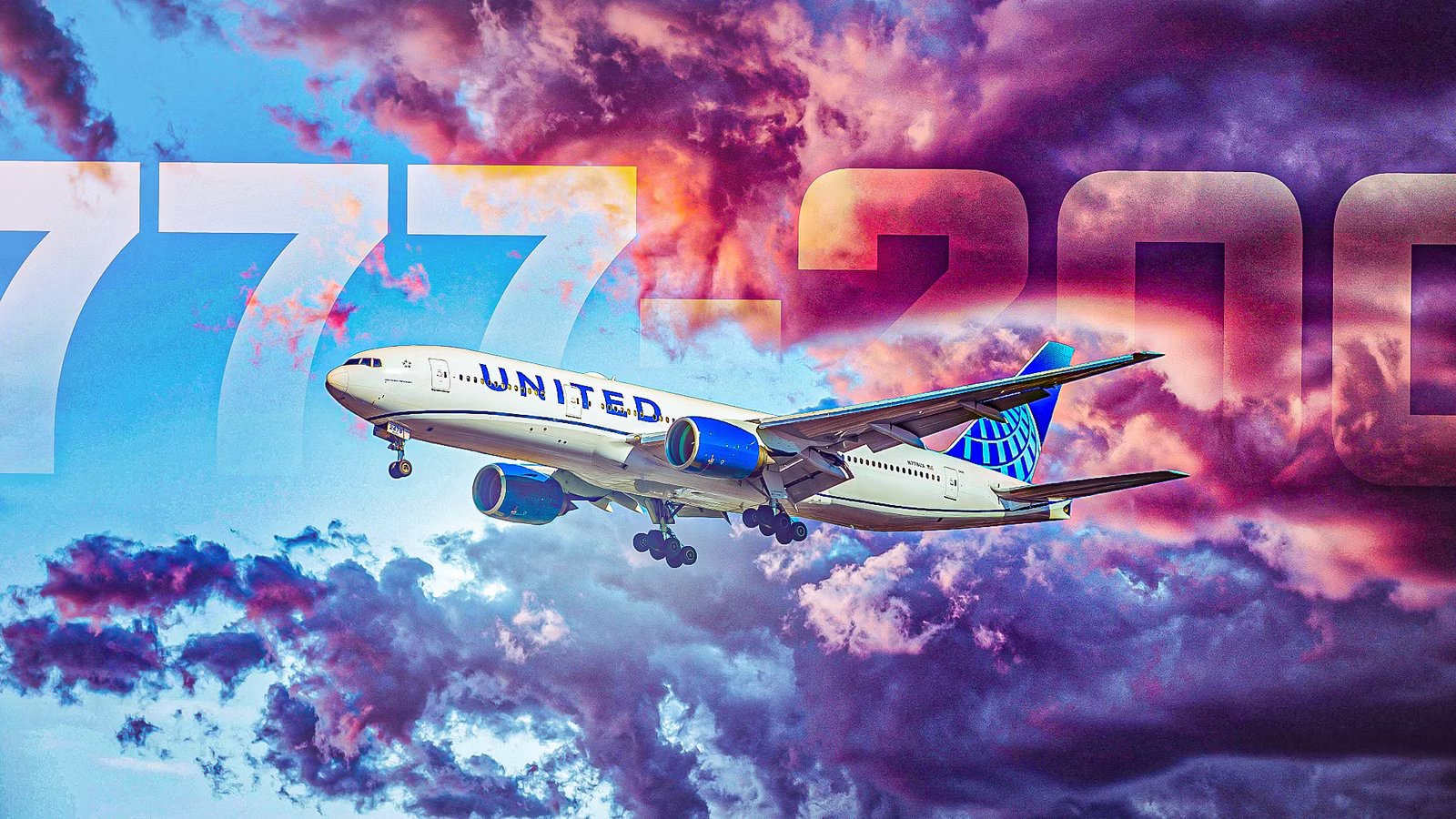
After two years since this incident, the findings by the NTSB has concluded that the flight affected, a Boeing 777 service operated by United Airlines from Los Angeles to Newark, was not informed of the turbulence reported by the aircraft ahead, which resulted in a few members of the crew and passengers being injured.
Reports found that the air traffic controllers, despite being informed of the turbulence by another aircraft, neither acknowledged the radio communication nor informed of other aircraft, which were about to fly through the affected airspace. Simple Flying has reached out to United regarding the conclusions from the NTSB.
The Incident On February 10, 2024

Two years ago, on February 10, 2024, a  United Airlines service from
  Los Angeles International Airport (LAX) to
  Newark Liberty International Airport (EWR), operated by a Boeing 777-200ER, flew through an area of turbulence, which resulted in significant reaction from the aircraft, leaving three members of the cabin crew team injured, and a 13 passengers experience minor injuries as well.
Reports regarding the incident published by The Aviation Herald indicated that the First Officer on this flight noticed some overcast clouds during the aircraft’s descent into EWR, but there were no signs of any significant turbulence on the weather forecasts, radar data, or information from dispatch or the ATC. However, during the descent, the aircraft hit a patch of considerable turbulence, during which time, some of the passengers did not have their seatbelts fastened, while the crew members were preparing the cabin and galleys for landing, resulting in passengers and crew getting injured.
After passing through the turbulence, the flight crew was notified of the injuries in the cabin, resulting in the flight declaring a medical emergency and landing at EWR, where paramedics met the aircraft at the gate to provide immediate medical aid to those injured.
Findings From The NTSB Report

A key finding from the final report published by the NTSB on Tuesday, exactly two years after the incident, indicated that the Air Traffic Controller was notified by another aircraft passing through the airspace of “moderate turbulence”, but this information was neither acknowledged by the ATC, nor passed onto other aircraft flying in and around the airspace, which according to the NTSB report, is actually a requirement as per the FAA procedures for pilot weather reportings.
According to CNN, weather data from the aircraft radar showed that the speed of the wind varied by almost 75 miles per hour within a space of 4,000 feet, and data from the aircraft’s quick access recorder, published in the NTSB report, indicates that the aircraft experienced a fluctuation of G-force ranging from -0.55g to +1.82 g within a period of seconds.
Based on the findings, the NTSB concluded the probable cause of this incident to be that the aircraft encountered unexpected moderate to severe turbulence in IMC (Instrument Meteorological Conditions), and the failure of the ATC to disseminate previously reported turbulence information. This resulted in reduced situational awareness for the flight crew, which subsequently denied the flight crew the opportunity to inform the passengers and crew members of the imminent flight through turbulent conditions.

How Airlines & Manufacturers Are Defending Against The Rise Of Turbulence
What leads turbulence to develop in the first place, and how do airlines and pilots avoid bumpy conditions?
2024 Was A Bumpy Year In Aviation

While turbulence has always affected flights, in recent years, especially 2024 (and subsequently 2025), the number of incidents caused by aircraft encountering turbulence in flight has increased considerably, further sparking the debates about how aviation is playing a role in climate change and global warming, which subsequently is contributing to increased turbulence affecting flight safety and operations.
Furthermore, these incidents are not localized to a particular area, but are experienced all around the world, be it the North America region, or the East Asia, Europe, and more. Apart from this incident experienced by United Airlines, some of the other major turbulence-related incidents recorded in 2024 include a Qatar Airways flight to Dublin, injuring 12 people onboard, Southwest Airlines flight to Orland injuring two people, a Japan Airlines flight to Tokyo Narita injuring four crew members and perhaps most notably, a  Singapore Airlines flight to Singapore, which resulted in multiple injuries and one passenger unfortunately passing away.
However, manufacturers and airlines are constantly working on reducing risks related to turbulence, such as aircraft manufacturers integrating technologies such as the “gust suppression system”, which can recognize variations in wind and pressure, to automatically counteract the movements with relevant flight control inputs, meanwhile airlines such as  Emirates became early adopters of adding IATA’s Turbulence Aware platform to its aircraft’ onboard Lido mPilot systems. Such technologies and software essentially improve situational awareness for pilots, but also improve passenger safety when encountering turbulence in flight, reducing the chances of potential injuries.