dailynewsnblog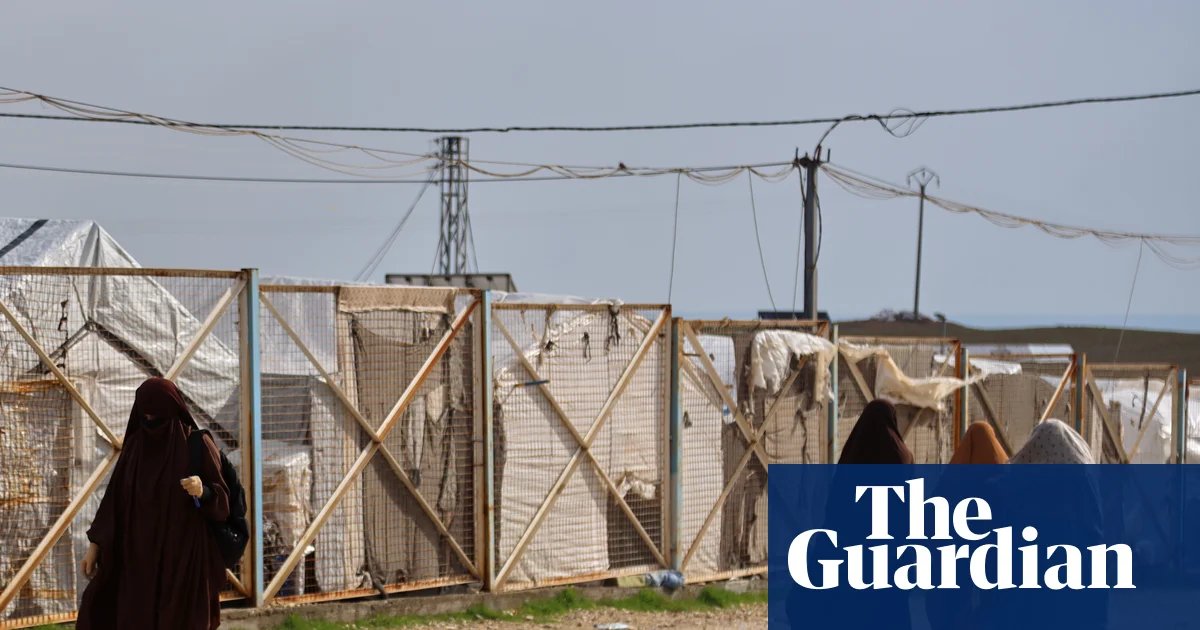
New South Wales authorities are preparing for about a third of the group of Australian women and children linked to Islamic State fighters to return to the state, if authorities in Syria allow them to leave the Roj refugee camp.
The premier, Chris Minns, said the state government had been discussing the possible return of some of the 11 women and 23 children with federal government agencies since late 2025, and a strong law enforcement response was expected.
The group tried to leave the camp last week but were blocked by Syrian government authorities.
Amid heated debate about the group’s possible return between the federal government and the Coalition in Canberra, Minns on Monday said he had no sympathy for adults who had left Australia to fight in the Middle East, but he was concerned for the welfare of children trapped in a dangerous situation.
“The reality is NSW government agencies have been working with the commonwealth since the end of last year about possible arrivals from Syria, from refugee camps,” he said.
“It’s been on an official-to-officials level, and it has to do with what happens if, or when, they return to NSW.
“In those circumstances, we’ve got strong laws on the books already for anybody that leaves Australia to go and join a terrorist organisation overseas. And Australians would expect the law to be upheld in any or all of those circumstances.”
Sign up: AU Breaking News email
The federal opposition has called for new rules to prevent the group from returning, blasting Labor for issuing them passports, even as the federal government insists it will not provide help or repatriation to the group.
Under the Passport Act, Australian citizens are entitled to a passport subject to limited restrictions, such as the person being the subject of an arrest warrant.
Minns said he wanted to be upfront that the NSW government would provide education services if the children returned to the state.
“I worry about where these children will be in the years ahead, and I worry about the consequences of doing nothing for them if they did return to Australia.”
One woman in the group was issued with a temporary exclusion order last week, banning her entry to Australia for up to two years.
Kurdish officials have reportedly refused to return tents to the group after they attempted to leave. They have scattered across the shrinking, unstable camp, billeted with other families, after finding their tents demolished and their possessions seized.
There are reports of near-nightly raids in the camp, as well as increasing violence.
The opposition leader, Angus Taylor, said on Monday the Coalition would try to introduce legislation to parliament to make it a criminal offence to facilitate the re-entry of individuals linked to terror organisations, or who have committed terror-related offences.
“We will take action and refuse to let people come here who abandoned Australia to support Islamic extremist terror overseas,” Taylor said, challenging Labor to support the plan.
Mat Tinkler, the chief executive of aid organisation Save the Children, warned against tough political rhetoric from all sides in Australia.
“It feels we’ve got a hardening position from the government and opposition, that’s seeking to deal with what’s seen as a political problem or a political opportunity,” he told ABC TV.
“It’s not seeking to take a principled evidence-based, values-based stance on how to deal with the challenging situation that these women and these innocent children have found themselves in.”