dailynewsnblog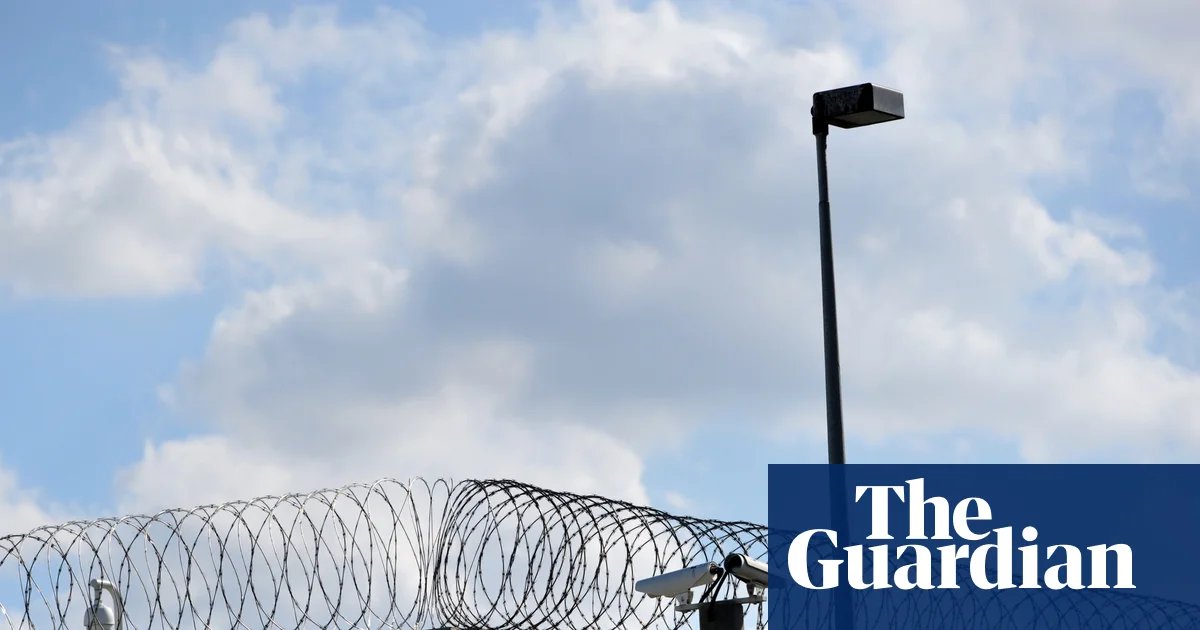
A NSW coroner who investigated the death in custody of a member of the Stolen Generations has criticised plans to delay health screenings for Indigenous inmates, saying it could result in problems being missed.
Gregory Merriman, a 58-year-old Yuin man and direct descendant of revered Yuin leader Umbarra, died at Silverwater’s Metropolitan Reception and Remand Centre (MRRC) in Sydney’s western suburbs in December 2022.
In findings handed down on Friday, the NSW deputy state coroner, Harriet Grahame, said Merriman was found unresponsive in his cell 30 minutes after being exposed to CS spray (tear gas) sprayed by prison officers attempting to contain a fight in a common area of the prison. Merriman was not involved in the fight and appeared on CCTV footage to have made “verbal attempts to calm others,” the coroner said.
When a nurse checked on Merriman in his cell half an hour later, as part of a welfare check being conducted on all prisoners exposed to the CS spray, she found him lying unresponsive on the floor.
An autopsy revealed he had suffered an acute myocardial infarction caused by ischaemic heart disease.
In her 60-page findings, Grahame said Merriman’s heart disease was asymptomatic but that opportunities to improve his care – such as starting him on statins to control his slightly raised cholesterol – had been missed.
She raised concerns that changes to the preventative health screenings policy made since his death may mean more cases could slip through the cracks.
“The gap [between health outcomes for Indigenous and non-Indigenous Australians] has not closed,” she said. “In this context, the importance of health screening and culturally safe care for all First Nations inmates cannot be overstated”.
At the time of Merriman’s death, all Aboriginal inmates aged 45 and over were to receive a chronic disease screening within 30 days of their initial health screening in the prison, which is called a reception screening assessment (RSA). Merriman had not received a chronic disease screening, which Grahame said “was not consistent with policy”.
Sign up: AU Breaking News email
Since then, she said, the policy has been revised to require a chronic health screening – now called a chronic health assessment – for all patients who have an identified chronic condition. All Aboriginal prisoners without an identified chronic health condition, and non-Aboriginal people over the age of 55, are to be given a preventative health screening (PHS) within 12 months of their RSA.
Grahame said she was “very troubled by the new time frame”.
“The provision of adequate health screening is one of the very few possible positive outcomes for those who are incarcerated,” she said. “Many Aboriginal inmates serve short sentences. If PHS is set to occur towards the end of the 12 month window, many inmates will be released before it takes place. I am concerned the new policy constitutes a decrease in the level of service rather than a clear improvement.”
However, Grahame declined to make any recommendations directed at Justice Health, instead recommending that the commissioner of custodial services update its policies around the use of CS spray to improve the first aid response for prisoners exposed to the gas.
She also addressed Merriman’s family, saying the over-incarceration of First Nations people was the root cause of persistently high deaths in custody.
“I accept that this issue is grounded in the ongoing effects of colonisation,” she said. “Until the broad causes of over-representation are properly addressed, the disproportionate number of First Nations deaths in custody will not reduce.”
Graheme also pointed to an open letter penned by the state coroner in October, which said NSW had recorded its highest-ever number of Indigenous deaths in custody, with 12 people dying in 2025.
That came at the end of a five year period in which the number of Aboriginal people in custody increased by 18.9% while the number of non-Aboriginal prisoners decreased by 12.5%, and the number of Aboriginal people on remand had increased 63%.
“These figures reflect – consistently with the sentiments expressed by Greg’s family – that the entrenched over-representation of First Nations people in the criminal justice system is a systemic issue.”