dailynewsnblog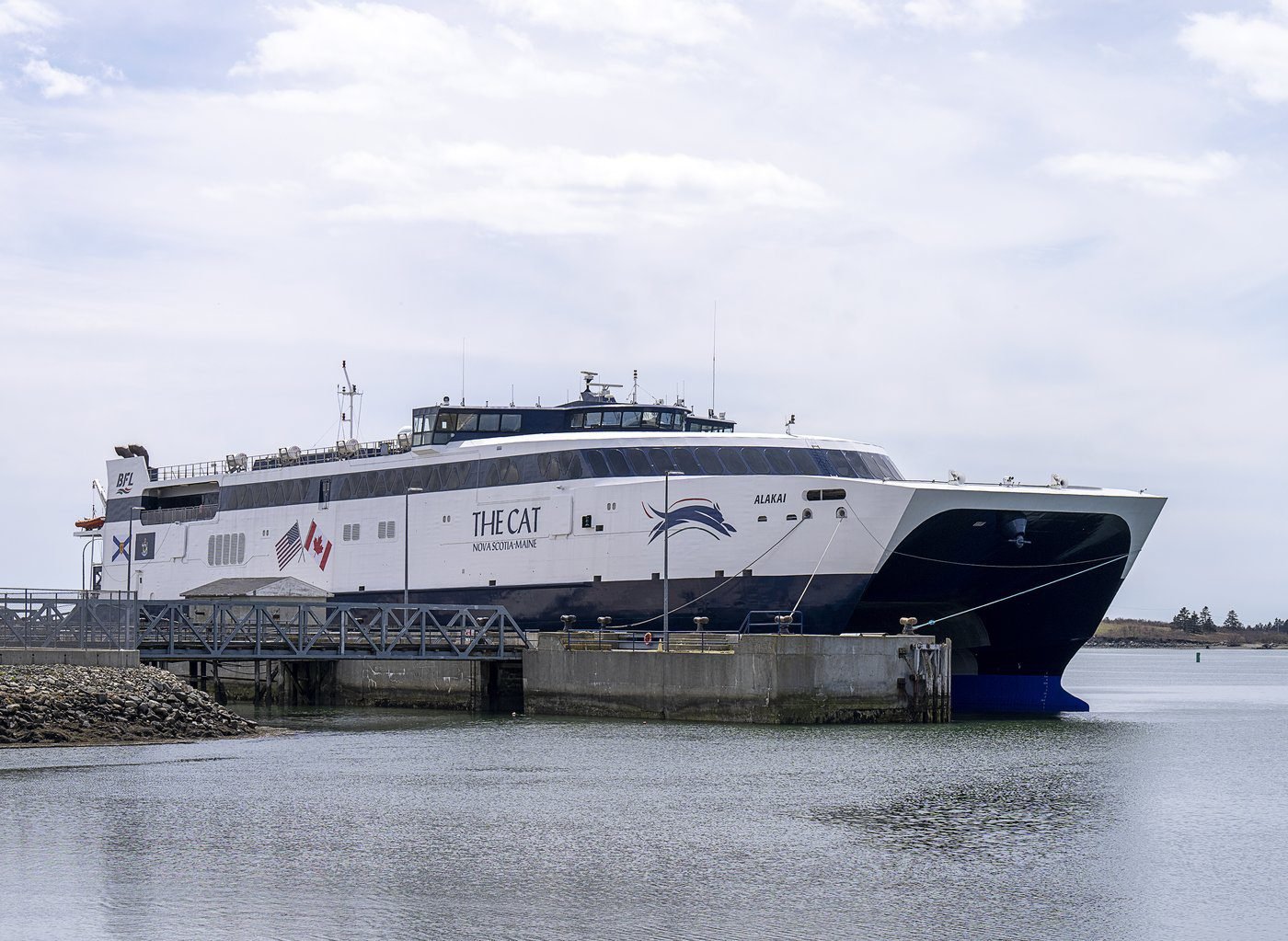
HALIFAX — A long-awaited economic study of the ferry service between Nova Scotia and Maine says the province’s annual subsidy of about $20 million is worth the cost.
Almost every ferry in the world receives government subsidies, the report says, and the cost to the province for the service linking Yarmouth, N.S., and Bar Harbor, Maine, is comparable with similar routes elsewhere in the world.
“The (ferry) generates significant economic benefits to Nova Scotia, not just to Yarmouth or southwest Nova Scotia,” says the 70-page report from consulting company 21FSP Advisory, which was hired in 2023, a year after the government first said it would study the economics of the service.
The ferry link between Yarmouth and Maine can trace its roots back to the 1880s but has been rocky in recent years. Issues with funding, operators, and ports have scuttled several sailing seasons as did the COVID-19 pandemic. Critics have said the government subsidy, budgeted at about $21 million a year, isn’t worth the cost, while tourism operators in the relatively isolated Yarmouth area see it as a lifeline.
While 77 per cent of ferry passengers spend time in the Yarmouth area, the study says benefits are seen throughout the province. About half of passengers visit the Annapolis Valley and Halifax regions and about 29 per cent make it to Cape Breton Island, a drive of nearly 600 kilometres from the ferry terminal.
The report says tourists using the vehicle and passenger ferry known as The Cat spend considerably more than visitors arriving by air or road. It says they stay in Nova Scotia an average of 8.4 nights and each person spends about $106 per day.
The ferry generates between $31 million and $42 million a year in gross domestic product, depending on how it’s measured, and also contributes between $2.7 million and $1.7 million to provincial revenue. Labour income related to the service ranges between $12 million and $18 million and it generates between $800,000 and $1.5 million in sales tax, according to the study.
The government budgets about $21 million a year to subsidize the ferry, making up the shortfall between private operator Bay Ferries’ revenue and its cost to run the service.
Public Works Minister Fred Tilley was unavailable for comment Friday. His department declined to say if it will continue to fund the ferry as it’s currently configured. “We are looking at all options for the ferry service that will maximize the benefits for Nova Scotia,” spokesperson Gary Andrea said in a statement.
Bay Ferries could not be reached for comment.
The former NDP government cancelled the service in 2009 to save money, prompting outrage from tourism operators as the southwest Nova Scotia area lost its only international link and visitor numbers plummeted.
The service returned in 2014 linking Yarmouth to Portland, Maine, instead of its previous U.S. port in Bar Harbor. It used the Nova Star, a cruise-style ferry that missed passenger targets and failed after one year. In 2016 the province hired Bay Ferries Ltd. on a 10-year contract to run the existing service with a high-speed catamaran. Moving the American port of call from Portland back to Bar Harbor resulted in the loss of the 2019 sailing season and the COVID-19 pandemic suspended the service again in 2020, before resuming in 2022.
Throughout, critics have questioned the cost of the provincial subsidy, which worked out to about $620 per visitor in 2024, according to the study.
The service carried about 36,000 passengers in 2022, 38,400 in 2023 and 49,300 in 2024, says the report.
In October, Bay Ferries said ridership for the 2025 season had fallen to about 39,700, citing a significant drop in Canadians travelling to the U.S. American bookings on the service were largely unchanged, said the company.
This report by The Canadian Press was first published Feb. 20, 2026.
Devin Stevens, The Canadian Press