dailynewsnblog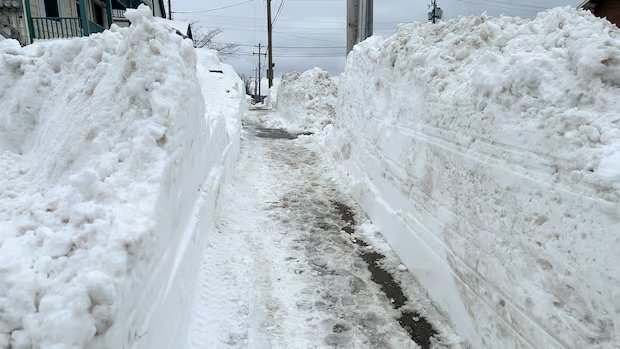

Listen to this article
Estimated 4 minutes
The audio version of this article is generated by AI-based technology. Mispronunciations can occur. We are working with our partners to continually review and improve the results.
An education researcher says Nova Scotia is on pace to break previous records for the number of school days cancelled due to snow.
School officials say teachers are used to adjusting for some closures, but with several weeks of winter left to go, one regional centre for education is actively working to make up time.
Paul Bennett, founder of the Schoolhouse Institute and an adjunct education professor at Saint Mary’s University in Halifax, said schools across the province have shut down seven times so far and in the Annapolis Valley, they’re up to 11 snow days.
“We’re well on the way to setting a new record for school days lost through cancellation because of storms,” he said. “This is rivalling the worst years for schools being cancelled.”
Bennett has collected data on school closures in Nova Scotia since the turn of the century and said by 2018, the average number has grown to 9.5 snow days in the Annapolis Valley and Cape Breton-Victoria regions.
The average in the Chignecto Central region is eight school closures a year, while in Halifax it’s 4.6 snow days.

By the end of January, when most regions had experienced four snow days, the Halifax region had only closed schools three times.
So far this year, all Cape Breton-Victoria schools have been closed at least nine days, with those North of Smokey being called off 13 days.
In the Strait region, all schools have been closed 11 days, with some in northern Inverness County closed up to 13 days.
The East Richmond Education Centre in St. Peter’s has been closed 14 days, but three of those were due to flooding from a burst pipe.
Bennett said the largest number of school closures typically occur in March and April.
Online learning recommended
“I think it’s a pretty safe estimate to say that if current trends continue, we will definitely break through previous records,” he said.
Bennett said along with chronic absenteeism as a result of the pandemic, snow days are putting students’ education at risk.
He said teachers can make some adjustments during the school year, but when the number of storm days is this high, the province should consider making online learning mandatory.
“I think there’s a certain amount of compression or consolidation that can happen, but not to the magnitude we’ve got here,” Bennett said.
“This is beyond the capacity of teachers to successfully cover the material that is going to be missed.”

Lois Landry, the warden of Richmond County and a retired teacher and principal, said the number of snow days this year is higher than usual, but no one is complaining, because the stormy winter has warranted keeping kids at home.
“I don’t think there’s been a single day when school has been called off because of weather that everybody didn’t look out their window and say, ‘Oh yeah. Totally yeah. Right call there.'”
Landry said the snow days have been spread out, starting in mid-December, making it easier for teachers to make up time.
“There’s lots of runway left,” she said.
Cancelling non-instructional activities
In past, elementary teachers have cancelled winter carnival days and made other adjustments to ensure curriculum goals are met by the end of the year, Landry said.
She also said schools made online learning work as best they could during the pandemic, but it isn’t a permanent solution because teachers sometimes had to deliver printed materials to families in rural areas where internet service is spotty or non-existent.
Officials with the department of education and with the regional centres for education would not grant interviews, but said in emails that teachers are always working to make sure they cover the material that has to be taught by the end of the year.
Dave Jones, executive director of the Annapolis Valley regional centre for education, said in an email that administrators there are now “working with schools to identify other ways to maximize teaching and learning time, such as cancelling non-instructional activities.”
MORE TOP STORIES