dailynewsnblog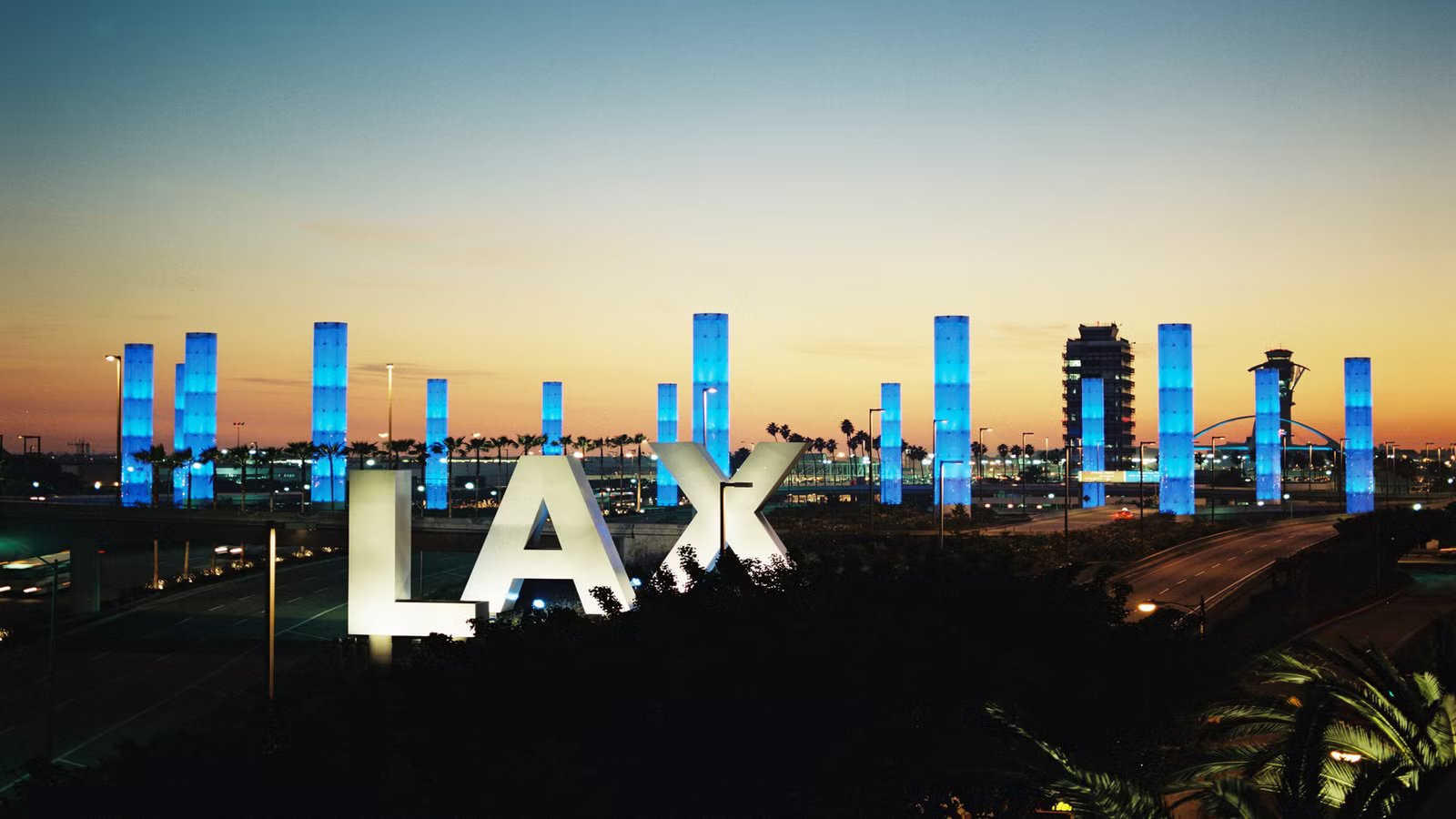
Los Angeles World Airports (LAWA) has started dismantling the well-known illuminated pylons that have long marked the entrance to  Los Angeles International Airport. The work is taking place at LAX in early 2026 as part of a broader roadway modernization initiative. The removal supports construction tied to the airport’s ongoing Airfield & Terminal Modernization Program. Officials say the change is necessary to improve traffic and overall access to the airport.
For decades, the pylons have served as a visual landmark for travelers arriving in Los Angeles. Their removal signals a noticeable shift in the airport’s appearance, though LAWA has indicated the structures will return in an updated form once construction is complete. The roadway project is one of several large infrastructure upgrades underway as LAX prepares for future growth and major international events. Travelers should expect phased construction activity over the next several years.
Iconic LAX Pylons Removed To Enable Major Roadway Construction

The current phase of construction involves taking down 15 gateway pylons positioned along Century Boulevard near the airport’s entrance. These towers, some reaching heights of up to 100 feet (30 meters), were originally installed around the year 2000 and became closely associated with LAX’s identity. Their removal allows crews to proceed with road realignment and structural work tied to new access routes. Several pylons were previously removed to accommodate other transportation projects near the terminal area.
The roadway improvements will reorganize more than four miles of airport roads, separating through traffic from vehicles accessing the terminals. Plans include elevated lanes designed to streamline arrivals and departures while reducing congestion at ground level. Inbound roadway work is expected to be ready ahead of the 2028 Summer Olympics in Los Angeles. Full completion of the project is anticipated later in the decade. Michael Christensen, Chief Airport Development Officer at Los Angeles World Airports, said:
“As part of the roadway modernization project, we have a unique opportunity to reimagine their design during this exciting new chapter in LAX’s transformation as our teams diligently prepare for the construction of elevated roadways that will ease congestion, enhance safety, and deliver a world-class experience for travelers and our community.”
Roadway Redesign Aims To Improve Traffic Flow And Airport Access

The roadway project is part of a wider transformation at LAX that includes terminal upgrades, new transportation links, and expanded passenger facilities. Airport officials have confirmed that the pylons’ original designer is collaborating on plans to reinterpret the structures once construction wraps up. This approach aims to preserve their cultural significance while adapting them to the airport’s updated layout. The redesign will align with modern safety and infrastructure standards.
Across the aviation industry, large hub airports are increasingly redesigning access roads to accommodate rising passenger volumes and reduce bottlenecks. At LAX, these roadway changes are being coordinated with new transit connections intended to reduce reliance on private vehicles. Together, the projects are expected to improve reliability for travelers navigating one of the busiest airports in the world. The effort reflects a long-term strategy focused on efficiency and sustainability.
Beyond traffic flow, the improvements are also intended to enhance pedestrian safety and provide clearer navigation throughout the airport’s perimeter. Officials say the updated road system will create a more predictable experience for drivers while supporting future transportation technologies. These changes are especially critical as LAX prepares for increased demand over the next decade.

Los Angeles Green-Lights $1.5 Billion Road Improvements Ahead Of 2028 Olympic Games
The project will see 4.4 miles of reconfigurations on the roads around the airport, to make traffic flow easy for everyone.
Pylons Set To Return As Part Of LAX’s Long-Term Modernization Vision

The pylons’ removal follows several recent infrastructure milestones at LAX, including the opening of new access roads near rental car facilities. These changes are designed to distribute traffic more evenly across the airport’s footprint. Officials note that each completed segment helps reduce congestion during peak travel periods. Construction will continue in stages to minimize disruption.
LAX has a long history of adapting its layout to meet the evolving needs of aviation, from terminal expansions to transportation upgrades. The current modernization cycle represents one of the most comprehensive efforts undertaken at the airport to date. Future developments will continue to focus on improving passenger access while supporting regional transportation goals. The airport’s evolution reflects broader trends across major global hubs.
While the disappearance of the pylons may feel like the end of an era, airport leaders emphasize that the change is temporary. Their eventual return, in a refreshed and re-imagined design, is intended to blend tradition with progress. The project underscores LAX’s effort to modernize without losing its visual identity.