dailynewsnblog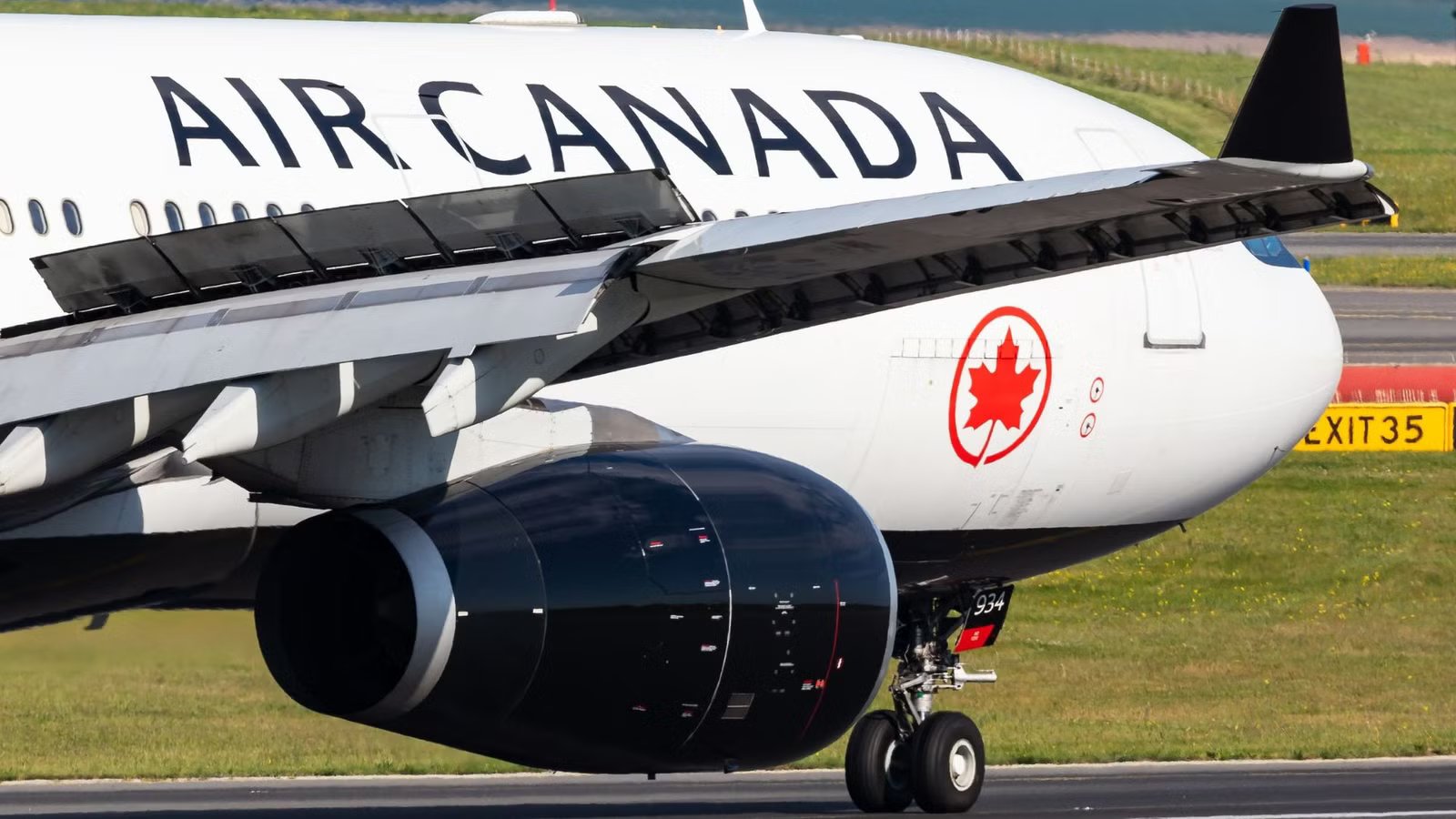
Canada’s Supreme Court will hear an appeal involving Air Canada over claims that passengers were shown misleading ticket prices during the booking process. The case examines whether mandatory charges were excluded from advertised fares, allegedly breaching Quebec’s Consumer Protection Act. The dispute stems from a Quebec Court of Appeal ruling on April 22, 2025, ordering Air Canada to pay more than CA$10 million in punitive damages, with distribution to be determined. The Supreme Court has agreed to hear the appeal in Ottawa, with no date set yet, and it could have nationwide implications for airline pricing practices.
First launched more than a decade ago by a Montreal-based consumer and advocacy group, the lawsuit has become one of Canada’s most prominent airline consumer protection cases. An earlier trial court found a legal violation but concluded that customers had not suffered financial harm. That finding was overturned on appeal, prompting Air Canada to seek clarification from the country’s highest court. The Supreme Court’s involvement signals the importance of the issues raised for both travelers and the aviation industry.
Supreme Court Set to Revisit Airline Fare Transparency Rules

At the heart of the case are allegations that  Air Canada promoted base fares online without clearly showing all compulsory fees and taxes upfront. Plaintiffs argue that this pricing approach prevented customers from seeing the true cost of travel until later in the booking process. Such practices, they say, undermine informed decision-making and violate provincial consumer disclosure rules.
In its ruling, the Quebec Court of Appeal concluded that the airline’s pricing methods caused harm by distorting consumer choice, even if individual losses were difficult to quantify. The court ordered Air Canada to pay more than CA$10 million in compensation. Air Canada disputes this reasoning and has asked the Supreme Court to review whether the damages award and legal interpretation were justified. In a previous ruling, Judge Judith Harvie said:
“Air Canada has put its own commercial interests first, demonstrating a serious lack of concern and care for consumers. An award of punitive damages is necessary to denounce this behaviour.”
Appeal Raises Broader Questions About Consumer Protection in Aviation

The lawsuit is part of a broader legal and regulatory focus on “drip pricing,” a practice where additional mandatory costs are revealed gradually rather than included in the initial advertised price. Consumer advocates argue that this approach can mislead buyers and reduce price transparency, particularly in industries like air travel, where ancillary fees are common.
Canadian airlines have faced increasing scrutiny in recent years over customer-facing practices, including pricing, delay compensation, and refund obligations. Several class actions and regulatory disputes have highlighted ongoing friction between airline business models and consumer protection standards, especially in Quebec.
Legal experts note that the ruling was significant because it recognized consumer harm without requiring proof of direct financial loss for each passenger. The Supreme Court’s decision could clarify how such harm is assessed in future class actions involving regulated industries.

Judge Orders Air Canada To Pay Over $10 Million Due To Falsely Advertised Ticket Prices
Passengers brought a class-action lawsuit against Air Canada.
Ruling Could Reshape How Canadian Airlines Advertise Ticket Prices

Beyond fare transparency, Air Canada and other Canadian carriers have faced increasing legal scrutiny over flight disruptions, passenger compensation, and fee disclosures. Many of these disputes center on whether delays or cancellations were within an airline’s control, triggering obligations under federal passenger protection rules. Some cases have been resolved through settlements, while others remain before the courts, underscoring ongoing uncertainty around passenger rights enforcement.
The appeal also raises important questions about the boundary between federal regulation of aviation and the application of provincial consumer protection laws. While airlines fall under federal jurisdiction, provinces such as Quebec enforce strict rules governing advertising and commercial practices. The Supreme Court’s ruling could clarify how these overlapping authorities interact in future airline-related disputes.
As the case returns to the national spotlight, its outcome may influence how airlines present fares to travelers across Canada. A decision reinforcing stronger disclosure standards could lead to more transparent pricing practices. More broadly, the ruling may set a meaningful precedent for consumer class actions involving pricing transparency.