dailynewsnblog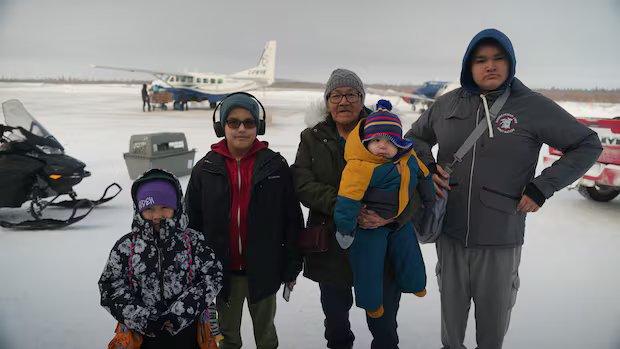

Listen to this article
Estimated 4 minutes
The audio version of this article is generated by AI-based technology. Mispronunciations can occur. We are working with our partners to continually review and improve the results.
Hundreds of Kashechewan First Nation evacuees have arrived in Niagara Falls, one of the Ontario cities taking in people from the Cree community as it endures a weeks-long water crisis due to a damaged treatment plant.
With 1,700 evacuees expected in the Niagara Region city alone, authorities and local Indigenous groups are doing everything they can to help people being displaced feel at home.
As of Friday, at least 600 had arrived in Niagara Falls, said Jo Zambito, chief of the city’s fire department, with more expected later in the day despite some weather delays.
After being flown to Hamilton on Wednesday and Thursday, those who did arrive were transferred by bus to Niagara Falls, he said.
Most evacuees will be staying in Niagara Falls, with others set to settle into communities including Timmins, Kapuskasing and Kingston.
Robert Garland is vice-president at risk mitigation company Xpera, which is co-ordinating the evacuation from the community of about 2,300 residents that’s located on the northern shore of the Albany River.
Garland was helping move Kashechewan residents who’ve arrived in Niagara Falls into three hotels.
While the city’s a prime tourism destination, he said welcoming the anticipated 1,700 evacuees hasn’t posed a problem.
“This time of year … the influx is down with tourism,” said Garland, who has helped evacuees move into three hotels in the city. “Capacity has not been an issue here.”
Zambito also spoke to how Niagara Falls is happy to help in times of need.
“The city of Niagara Falls is no stranger to hosting evacuees,” he said. “We have adequate space to be a host community when the need arises.”
Trying to ease the culture shock
During the northern Ontario wildfires last year, Niagara Falls took in about 3,000 evacuees from First Nations in northern Manitoba and Ontario. Not used to the experiences of city life, many people who were put up in hotels said it left them with culture shock.
However, to help Kashechewan evacuees transition to staying in Niagara Falls, Garland and Zambito co-ordinated with local Indigenous groups, including the Fort Erie Friendship Native Centre, to help meet their needs.

Melissa Shongo, a program manager at the centre, said they’re working to arrange drum circles, haircuts and manicures for the evacuees, and to provide them with traditional medicines such as sage, sweetgrass and tobacco when needed.
The centre also plans to open its kitchen so people can cook traditional home dishes, as hotels may not have the space to do so, Shongo said.
How others can help the evacuees
Kashechewan’s state of emergency was declared Jan. 4 by Hosea Wesley, the First Nation’s chief.
In early December, pumps at the community’s water treatment plant were found clogged, unable to mix the chemicals needed to treat drinking water.

Tyson Wesley, Kashechewan First Nation’s executive director, said there has been a gastrointestinal outbreak in the community. With tap water no longer being pumped into people’s homes, residents who have remained there are getting it from sources like bottled water.
As CBC Sudbury’s Jonathan Migneault reported during his visit to Kashechewan, some people are even gathering ice and melting it for use in their homes.
Technicians with Northern Waterworks repaired the damage to the plant and got the water running again. But they were awaiting test results from a lab in North Bay for health authorities to determine if the water is safe to drink.
Garland said the Niagara Falls community “is always top notch” in helping others in times of crisis.
For anyone wishing to help Kashechewan community members in Niagara Falls, the Fort Erie Friendship Native Centre is accepting donations such as clothes.