dailynewsnblog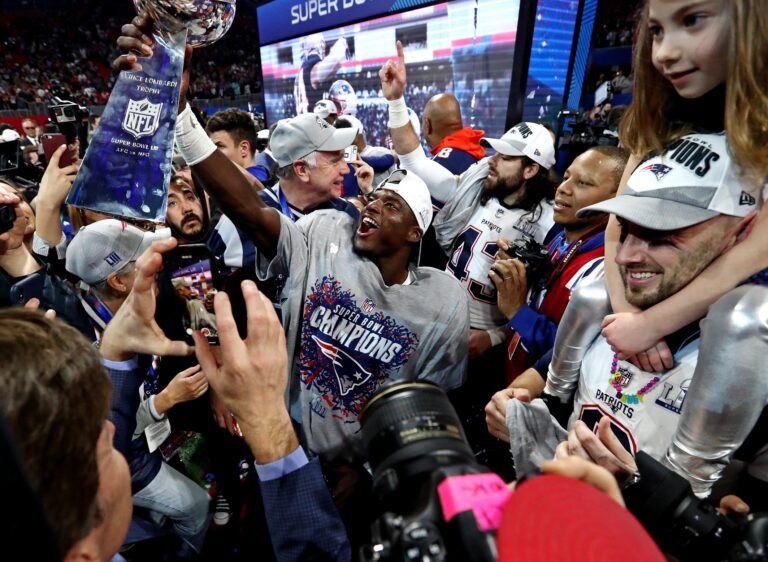
Super Bowl championships are the benchmark of NFL success, and only a portion of the league’s 32 franchises have actually hoisted the Lombardi Trophy. While some iconic teams like the Patriots, Steelers, and 49ers appear on this list, others—such as the Bills, Vikings, and Lions—haven’t been able to secure that ultimate victory yet despite passionate fanbases and memorable runs. What follows are the teams that have reached that mountaintop and the stories behind their championship triumphs.
New England Patriots

New England Patriots players celebrate with the Vince Lombardi Trophy after defeating the Seattle Seahawks in Super Bowl XLIX at University of Phoenix Stadium. Credit: Mark J. Rebilas-USA TODAY Sports
-
The Patriots’ Super Bowl legacy is defined by the Tom Brady–Bill Belichick era, one of the most dominant dynasties in sports history. Their six titles span nearly two decades, showcasing sustained excellence and adaptability. From last-second field goals to historic comebacks, New England repeatedly won on the biggest stage in dramatic fashion.
Advertisement
Pittsburgh Steelers

Pittsburgh Steelers wide receiver Santonio Holmes (center) holds up the Vince Lombardi trophy after defeating the Arizona Cardinals 27-24 in Super Bowl XLIII at Raymond James Stadium. Credit: Kim Klement-USA TODAY Sports
-
The Steelers were the NFL’s original Super Bowl dynasty, winning four titles in six years during the 1970s. Built on the legendary “Steel Curtain” defense, Pittsburgh established a blueprint for toughness and consistency. Later championships in the 2000s reinforced their reputation as one of the league’s most stable and successful franchises.
Dallas Cowboys

Dallas Cowboys defensive back Deion Sanders (21) holds up the Vince Lombardi Trophy and his helmet after the Cowboys defeated the Pittsburgh Steelers 27-17 at Super Bowl XXX at the Sun Devil Stadium. Credit: The Arizona Republic-USA TODAY Sports
-
The Cowboys’ Super Bowl success came in two distinct eras, the 1970s and the 1990s, each producing iconic teams. Their 1990s run, led by Troy Aikman, Emmitt Smith, and Michael Irvin, cemented their place in NFL history. Dallas became synonymous with star power, confidence, and winning on the biggest stage.
San Francisco 49ers

Joe Montana of the San Francisco 49ers celebrates on the sideline after throwing the winning touchdown against the Cincinnati Bengals during Super Bowl XXIII at Joe Robbie Stadium. The 49ers won the game 20-16. Credit: Photo By USA TODAY Sports (c) Copyright 1989 by USA TODAY Sports
-
The 49ers built a legacy of offensive innovation and postseason dominance, especially during the 1980s and early 1990s. Led by Joe Montana and later Steve Young, San Francisco was known for precision, poise, and clutch performances. Their perfect Super Bowl record during that era helped define greatness for quarterback play.
Kansas City Chiefs

Kansas City Chiefs quarterback Patrick Mahomes (15) holds the the Vince Lombardi Trophy after winning Super Bowl LVIII against the San Francisco 49ers at Allegiant Stadium. Credit: Kirby Lee-USA TODAY Sports
-
Kansas City’s Super Bowl titles are split between two eras, with recent championships fueled by Patrick Mahomes redefining modern quarterback play. Their explosive offense and late-game resilience have made them a perennial contender. The Chiefs’ current run has firmly placed them among the league’s elite franchises.
Green Bay Packers

Green Bay Packers linebacker Clay Matthews, left, points to Super Bowl MVP Aaron Rodgers after giving him a championship belt after the win against the Pittsburgh Steelers during Super Bowl XLV at Cowboys Stadium in Arlington, Texas on Feb. 6, 2011. Credit: © USA TODAY NETWORK-Wis. via Imagn Content Services, LLC
-
The Packers’ Super Bowl wins bridge different generations of football excellence. Titles with Brett Favre and Aaron Rodgers showcased elite quarterback play decades apart. Green Bay’s success reinforces its unique status as a small-market team with a massive football legacy.
New York Giants

Feb 5, 2012; Indianapolis, IN, USA; New York Giants receiver Devin Thomas (15) holds the Vince Lombardi Trophy after Super Bowl XLVI against the New England Patriots at Lucas Oil Stadium. Mandatory Credit: Kirby Lee/Image of Sport-USA TODAY Sports
-
The Giants’ Super Bowl titles are defined by their ability to rise as underdogs. From shutting down high-powered offenses to pulling off stunning upsets, New York repeatedly thrived in high-pressure moments. Their championships highlight defense, toughness, and timely execution.
Las Vegas Raiders

The Oakland and Las Los Angeles Raiders Vince Lombardi Super Bowl 11 (XI), Super Bowl 15 (XV) and Super Bowl 28 (XVIII) champion trophies at the Intermountain Health Performance Center. Credit: Kirby Lee-Imagn Images
-
The Raiders’ Super Bowl wins reflect their once-dominant identity built on swagger, physicality, and intimidation. Their success in multiple decades underscored their adaptability and edge. At their peak, the Raiders were feared as much for attitude as for talent.
Washington Commanders

Washington Redskins offensive players Jim Lachey (79), Ron Middleton (87), Mark Rypien (11) and Gerald Riggs (37) on the field against the Buffalo Bills during the fourth quarter of Super Bowl XXVI at the Metrodome. The Redskins defeated the Bills 37-24. Credit: Manny Rubio-USA TODAY Sports
-
Washington’s Super Bowl titles came with different head coaches and quarterbacks, emphasizing team balance rather than star reliance. Their dominant offensive lines and disciplined play defined their championship teams. Few franchises can claim such varied paths to Super Bowl success.
Denver Broncos

Denver Broncos quarterback Peyton Manning holds up the Vince Lombardi Trophy after the game against the Carolina Panthers in Super Bowl 50 at Levi’s Stadium. The Broncos won 24-10. Credit: Kyle Terada-USA TODAY Sports
-
The Broncos captured back-to-back Super Bowls in the late 1990s behind John Elway, cementing his Hall of Fame legacy. Years later, they won again with a defense-driven team led by Peyton Manning. Denver’s titles reflect both offensive leadership and defensive excellence.
Indianapolis Colts

Indianapolis Colts head coach Tony Dungy, owner James Irsay with the Lombardi trophy and NFL commissioner Roger Goodall (L-R) after the Indianapolis Colts defeated the Chicago Bears 29-17 in Super Bowl XLI at Dolphins Stadium. Credit: Matthew Emmons-USA TODAY Sports Copyright © 2007 Matthew Emmons
-
The Colts’ Super Bowl wins highlight two iconic moments in franchise history. One came during the early years in Baltimore, while the other was led by Peyton Manning in Indianapolis. Their championships underscore the importance of elite quarterback play.
Miami Dolphins

Miami Dolphins quarterback Bob Griese (12) hands off to Larry Csonka (39) against the Minnesota Vikings during Super Bowl VIII at Rice Stadium. The Dolphins defeated the Vikings 24-7. Credit: Darryl Norenberg-USA TODAY Sports
-
Miami’s Super Bowl titles include the NFL’s only perfect season in 1972. That undefeated run remains one of the most celebrated achievements in sports history. The Dolphins’ early dominance helped shape the league’s modern identity.
Baltimore Ravens

Baltimore Ravens center Matt Birk (77) celebrates with the Vince Lombardi Trophy after defeating the San Francisco 49ers 34-31 in Super Bowl XLVII at the Mercedes-Benz Superdome. Credit: Matthew Emmons-USA TODAY Sports
-
The Ravens’ Super Bowl victories are synonymous with dominant defense. Both championship teams overwhelmed opponents with physicality and discipline. Baltimore’s identity has consistently centered on toughness and playoff readiness.
Los Angeles Rams

Los Angeles Rams owner Stan Kroenke is presented the Lombardi Trophy at the conclusion of Super Bowl LVI between the Los Angeles Rams and the Cincinnati Bengals, Sunday, Feb. 13, 2022, at SoFi Stadium in Inglewood, Calif. Credit: Kareem Elgazzar-USA TODAY Sports
-
The Rams’ Super Bowl wins span different cities and eras, reflecting a franchise capable of reinvention. From explosive offense to defensive-led championships, their titles came in contrasting styles. Each win marked a turning point in franchise history.
Tampa Bay Buccaneers

Tampa Bay Buccaneers quarterback Tom Brady (12) and tight end Rob Gronkowski (87) celebrate after beating the Kansas City Chiefs in Super Bowl LV at Raymond James Stadium. Credit: Mark J. Rebilas-USA TODAY Sports
-
The Buccaneers won Super Bowls nearly two decades apart, each with historically great defenses. Their second title, led by Tom Brady, transformed the franchise’s national perception. Tampa Bay’s championships show how the right leadership can quickly change a team’s fortunes.
Philadelphia Eagles

Philadelphia Eagles head coach Nick Sirianni hoists the Vince Lombardi Trophy after defeating the Kansas City Chiefs in Super Bowl LIX at Ceasars Superdome. Credit: Mark J. Rebilas-Imagn Images
-
The Eagles’ Super Bowl victories validated decades of passionate fandom. Their first title was fueled by resilience and a “next man up” mentality, while their second confirmed they were no longer chasing legitimacy. Philadelphia’s wins are deeply tied to grit and identity.
Chicago Bears

Former Chicago Bear linebacker Mike Singletary holds the Super Bowl Twenty trophy during half time at Soldier Field. Credit: David Banks-Imagn Images
-
The Bears’ lone Super Bowl win came with the legendary 1985 team, widely considered one of the greatest ever. That squad combined dominant defense with cultural impact that still resonates today. Their championship remains a defining moment in NFL history.
New Orleans Saints

New Orleans Saints safety Pierson Prioleau (31) celebrates after defeating the Indianapolis Colts 31-17 in Super Bowl XLIV at Sun Life Stadium. Credit: Matthew Emmons-USA TODAY Sports
-
The Saints’ Super Bowl title represented redemption after years of struggle. Led by Drew Brees and Sean Payton, New Orleans delivered one of the franchise’s most emotional victories. The win symbolized resilience and revival for both the team and the city.
New York Jets

New York Jets defensive line Verlon Biggs (86), Ralph Baker (51), John Elliott (80), Paul Rochester (72), and Gerry Philbin (81) against the Baltimore Colts during Super Bowl III at the Orange Bowl. The Jets defeated the Colts 16-7. Credit: Malcolm Emmons-USA TODAY Sports
-
The Jets’ Super Bowl victory came in Super Bowl III, one of the most important games in league history. Joe Namath’s guarantee and win helped legitimize the AFL. That single title had an outsized impact on the NFL’s future.
Seattle Seahawks

Seattle Seahawks quarterback Russell Wilson (3) celebrates with the Lombardi Trophy after beating the Denver Broncos 43-8 in Super Bowl XLVIII at MetLife Stadium. Credit: Brad Penner-USA TODAY Sports
-
Seattle’s Super Bowl win was powered by the dominant “Legion of Boom” defense. Their physical, fast, and aggressive style overwhelmed opponents. The championship marked the peak of a uniquely intimidating team identity.
Conclusion

Pittsburgh Steelers offensive lineman Jason Capizzi (69) celebrates with teammates after defeating the Arizona Cardinals 27-24 in Super Bowl XLIII at Raymond James Stadium. Credit: Kim Klement-USA TODAY Sports
Together, these Super Bowl–winning teams tell the story of the NFL’s evolution, from defense-driven dominance to modern offensive explosions. Some franchises ruled for decades, while others seized a single moment that forever changed their history. Regardless of era or style, each title remains a lasting benchmark of greatness that continues to define how these teams are remembered.
Advertisement
The post NFL teams with Super Bowl titles appeared first on The Big Lead.