dailynewsnblog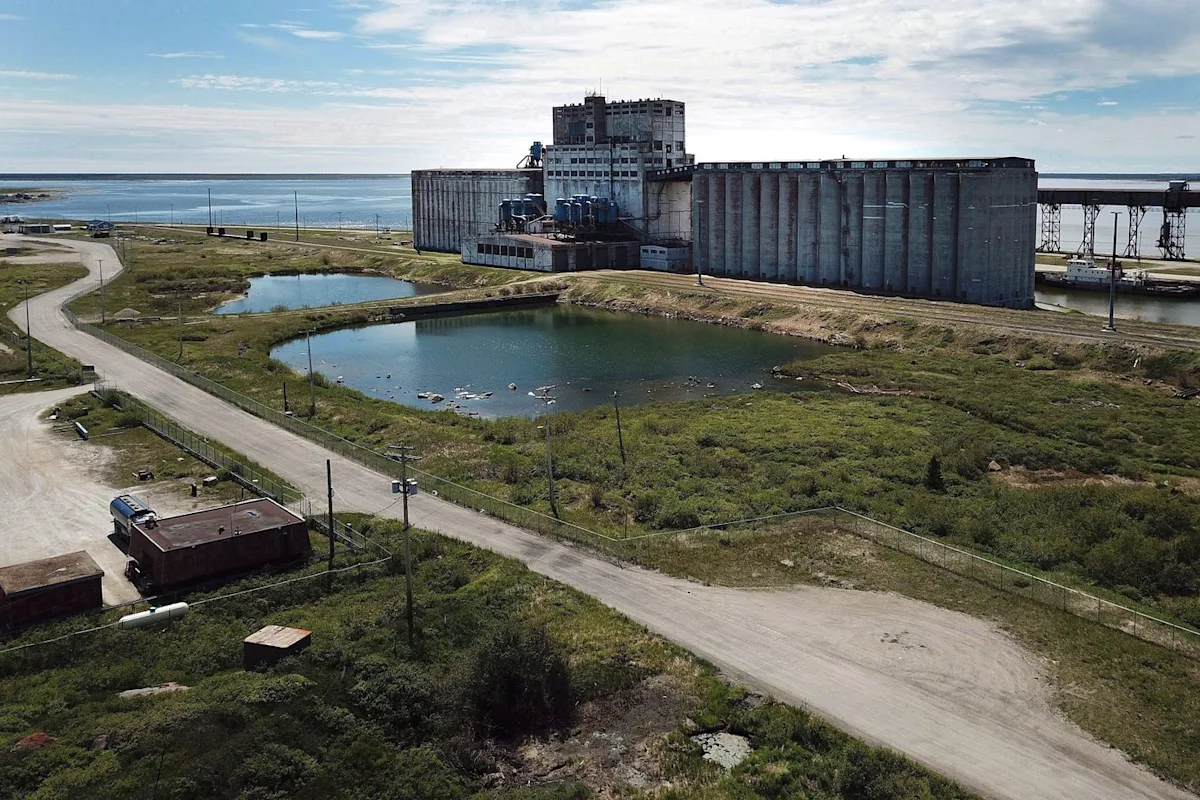
WINNIPEG — The federal government announced another step Thursday toward a potential energy and trade corridor through northern Manitoba and the Arctic.
The government is launching a market-sounding study on how rail, port and other improvements near the town of Churchill, on the shore of Hudson Bay, might attract more business from grain, mining and other companies.
“The Port of Churchill is set to play a central role in our government’s vision to build a stronger, more resilient Canadian economy that is better connected to global markets,” Steven MacKinnon, the federal transportation minister, said in a news release.
The idea of expanding trade through Churchill and the Arctic Ocean has been discussed for decades but faces obstacles, including a short ice-free season and a railway that would need upgrades to handle heavier, more frequent traffic.
The ongoing trade dispute with the United States has helped renew interest in Churchill, which offers a route to Europe and beyond through Arctic waters.
The project made a list of initiatives being considered as “transformative” by the federal government last year, although it was not among five projects highlighted in September for an initial round of nation-building infrastructure work.
Prime Minister Mark Carney confirmed funding in November for a study on the potential of specialized icebreakers and tugs that could extend the short shipping season.
The new study, due to conclude in March, is to consult senior executives in mining, energy, grain and other sectors to gauge their interest in using the facilities if the infrastructure is improved.
New infrastructure could also include an all-weather road to Churchill, a town of about 900 that’s currently accessible by air and rail.
Manitoba Premier Wab Kinew has promoted the port expansion as also being a military asset — a base for submarines and a supply ships. And he has floated the possibility of a pipeline to Churchill that would carry energy, such a liquefied natural gas, from Western Canada.
“There’s a lot of opportunities here,” Kinew said Thursday.
The federal government said it would spend up to $248,600 on the market-sounding study.
This report by The Canadian Press was first published Feb. 19, 2026.
Steve Lambert, The Canadian Press