dailynewsnblog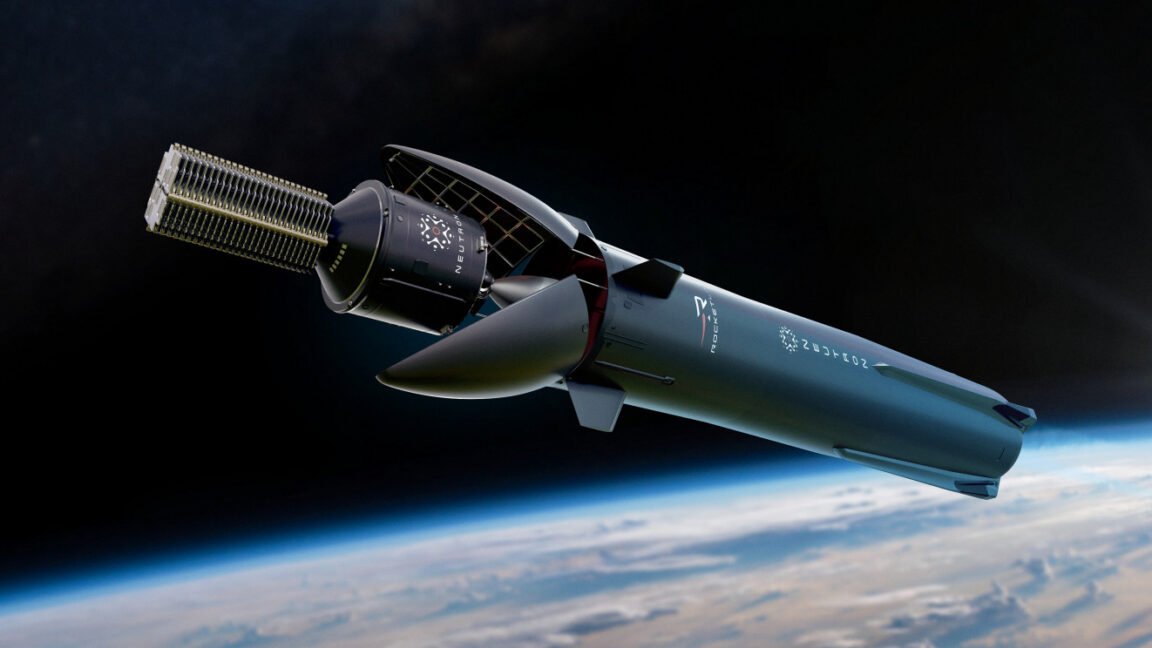
During an earnings call on Monday, Rocket Lab chief executive Pete Beck announced that the company’s medium-lift launch vehicle, Neutron, would not launch this year.
For anyone with the slightest understanding of the challenges involved in bringing a new rocket to the launch pad, as well as a calendar, the delay does not come as a surprise. Although Rocket Lab had been holding on to the possibility of launching Neutron this year publicly, it has been clear for months that a slip into 2026 was inevitable.
According to Beck, speaking during a third-quarter 2025 earnings call, the new timeline has the company bringing Neutron to Launch Complex 2 at Wallops Flight Facility in Virginia during the first quarter of next year. The first launch is scheduled to occur “thereafter,” according to the company’s plans.
The Rocket Lab way
As part of his remarks, Beck said Rocket Lab would not be rushed by an arbitrary deadline.
“We’ve seen what happens when others rush to the pad with an unproven product, and we just refused to do that,” he said, referring to other commercial launch companies that have not had success with their first launches. “Our aim is to make it to orbit on the first try. You won’t see us using some qualifier about us just clearing the pad, and claiming success and whatnot, and that means that we don’t want to learn something during Neutron’s first flight that could be learned on the ground during the testing phase.”
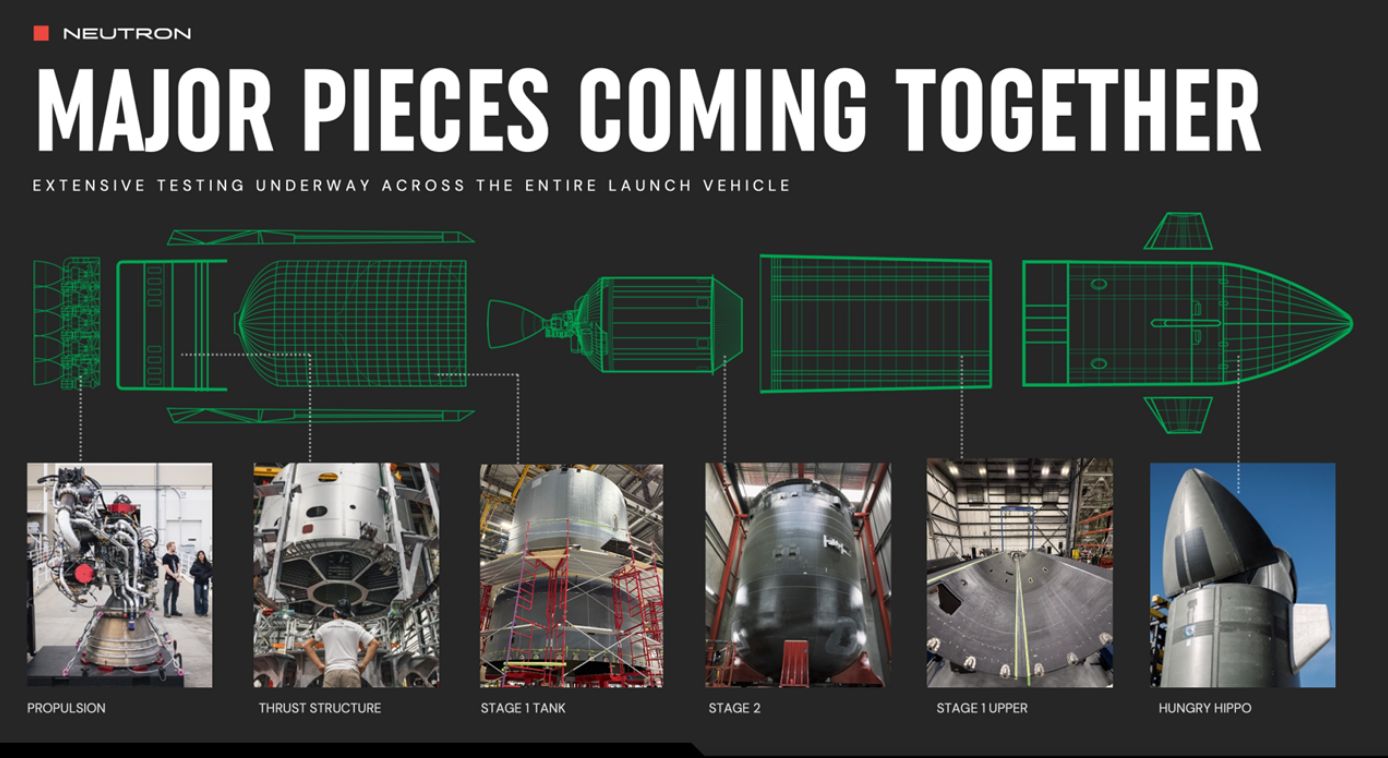
Through the development of the smaller Electron rocket as well as various satellites and in-space vehicles, Rocket Lab has followed and honed a process that breeds success in flight, Beck said. Right now, Rocket Lab is in a “meaty” testing process when components of the vehicle are being assembled for the first time, Beck added.
Credit:
Rocket Lab
Rocket Lab has reached the “meaty” part of the testing process.
Credit:
Rocket Lab
“This is a time when you find out on the ground what you got right, and what you got wrong, rather than finding out that during first launch,” he said. “Now at Rocket Lab, we have a proven process for delivering and developing complex space flight hardware, and I think that process speaks for itself with respect to our hardware, always looking beautiful, and, more importantly, always working beautifully. Now, our process is meticulous, but it works.”