dailynewsnblog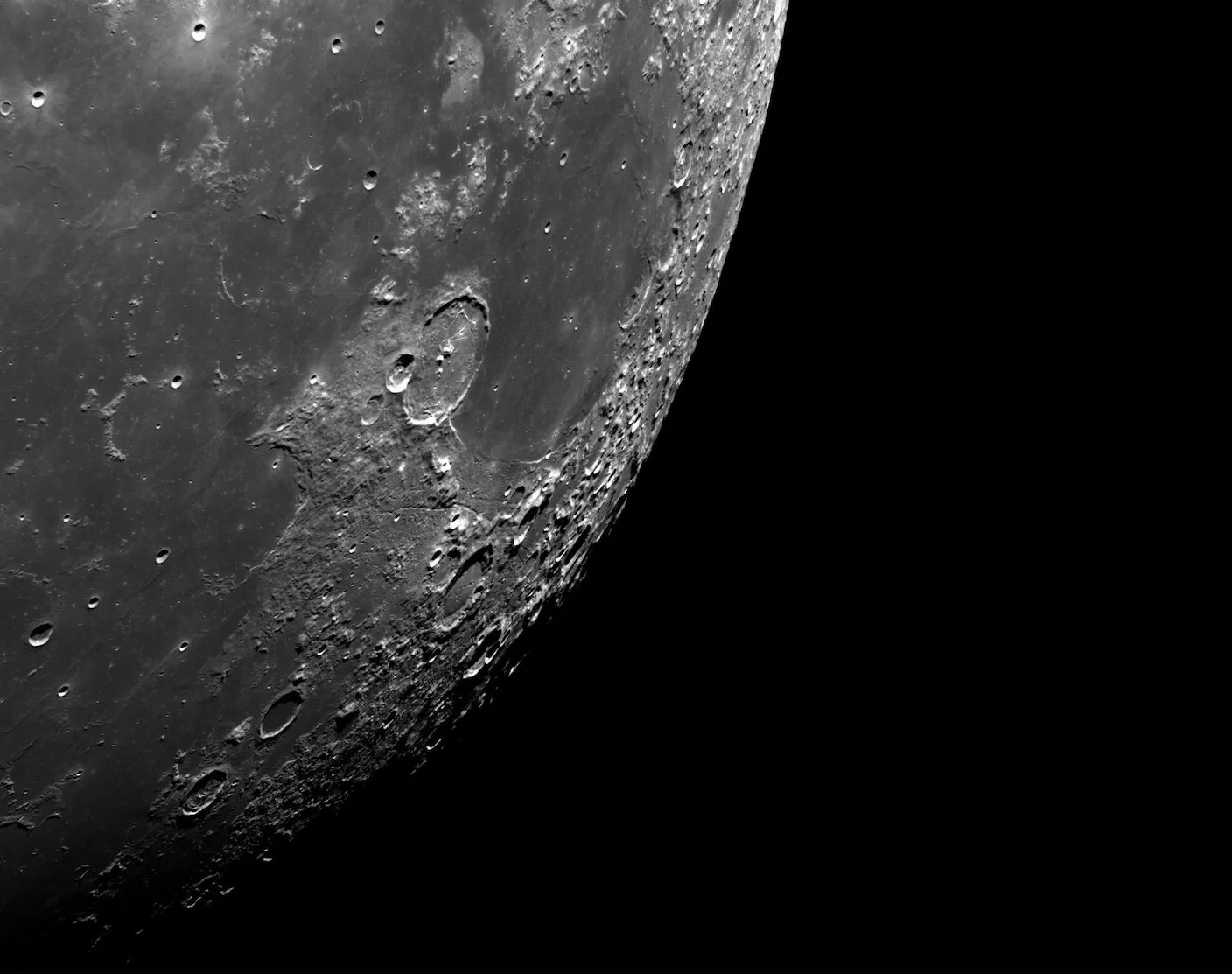
The prospect of a sustained human presence beyond Earth orbit is rapidly shifting from science fiction to a near-term reality. NASA has announced an ambitious plan to build a permanent lunar base while also preparing to launch a Mars mission featuring the first interplanetary spacecraft to use nuclear propulsion.
Ever since his first term, returning humans to the moon has been a priority of President Donald Trump. And with NASA’s Artemis 2 mission—the first manned lunar mission in over 50 years—edging closer to the launchpad, that goal is looking more realistic.
This week, at a high-profile event called Ignition, NASA Administrator Jared Isaacman unveiled an ambitious new program whose centerpiece is a $20 billion lunar base to be constructed over the next seven years. He also announced plans to launch the first spacecraft to use nuclear propulsion since the 1960s to deliver a fleet of robotic helicopters to the surface of Mars.
“NASA is committed to achieving the near-impossible once again, to return to the moon before the end of President Trump’s term, build a moon base, establish an enduring presence, and do the other things needed to ensure American leadership in space,” Isaacman said in a press release.
The newly appointed head of the agency framed the plan as America’s response to a new era of great-power competition in space—a thinly veiled reference to China’s plans to land humans on the moon by 2030 and build its own lunar base.
The new moon base will be built in three phases, according to NASA, with the first involving a shift from infrequent, bespoke missions to regular and repeatable ones to test out the mobility, power generation, communications, and navigation technologies required to support a longer-term presence.
To achieve this, the agency plans to dramatically ramp up its Commercial Lunar Payload Services program—which enlists American private space companies to provide frequent, cost-effective cargo missions to the lunar surface—targeting up to 30 robotic landings starting in 2027. It also plans to use MoonFall hoppers, small robotic landers that use short, rocket-powered jumps to travel tens of kilometers, to hunt for useful resources, like ice, in hard-to-reach areas.
“We’re going to send them to do the prospecting, and potentially they could host a variety of payloads,” Carlos Garcia-Galan, program executive for the moon base at NASA, told Science.
In the second phase of the lunar base build-out, the agency will construct “semi‑habitable infrastructure” that can support regular astronaut operations on the moon’s surface, as well as the delivery of a pressurized rover from Japan’s space agency. The final stage will involve the delivery of heavier infrastructure needed for continuous human habitation, including multipurpose habitats being developed by Italy’s space agency and a lunar utility vehicle from Canada.
NASA also announced plans to pause work on its Gateway lunar orbital station, a key component of the original Artemis program that was designed as a staging post for manned missions to the lunar surface and later to Mars. The agency said it will attempt to repurpose some of the equipment developed for the facility to support other missions.
One of these could be another notable project announced at the Ignition event—the launch of a nuclear-powered interplanetary spacecraft called Space Reactor-1 Freedom to Mars by the end of 2028. The vehicle will rely on a device developed for the lunar space station that can convert heat from a roughly 20-kilowatt nuclear fission reactor into electric power for propulsion.
Once it reaches Mars, the spacecraft will deploy three robotic drones with designs based on the Ingenuity helicopter. Ingenuity completed 72 flights on Mars after arriving with the Perseverance rover in 2021. The drones will use cameras and subsurface radar to scour the planet for water ice and promising locations for future human landing sites.
Given recent turmoil at the agency and massive funding cuts originally proposed by the Trump administration, it remains to be seen whether NASA can pull off such an ambitious vision for the near future of space exploration. But the prospect of mankind having a permanent presence beyond Earth orbit looks closer than ever.