dailynewsnblog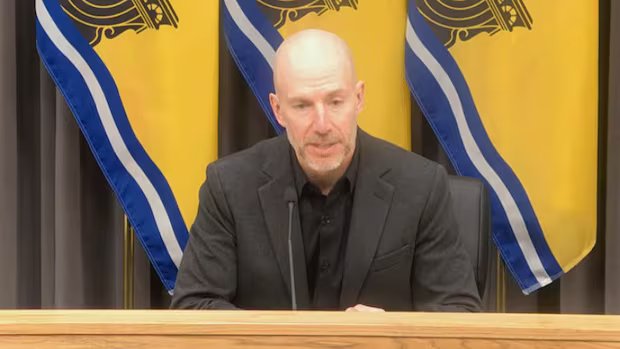

Listen to this article
Estimated 3 minutes
The audio version of this article is generated by AI-based technology. Mispronunciations can occur. We are working with our partners to continually review and improve the results.
Environmental substances like herbicides and heavy metals are likely not causing the neurological symptoms reported by hundreds of New Brunswickers, an investigation by the province into the so-called mystery brain illness has concluded.
Dr. Yves Léger, the chief medical officer of health, released the final report on the investigation into 222 of the cases of “undiagnosed neurological illness” on Friday.
The investigation was launched last March to further understand concerns raised in 2023 by Moncton neurologist Dr. Alier Marrero about elevated levels of the herbicides glyphosate and glufosinate and several different metals, such as aluminum, arsenic, lead and mercury, in some patients.
“The main findings do not suggest exposure to certain environmental substances was a potential cause of illness among all or even most of the patients studied,” Léger said when the report was released at a news conference in Fredericton.
Asked to clarify, Léger said the findings are based on the group of patients as a whole and don’t point to any “widespread … exposures” that are “contributing to most patients’ illnesses.
“We can’t specifically speak to individual patients because we didn’t look at individual patient files, we looked at individual [test] results,” he told CBC News.
The report does not identify what has been making people sick for years, with symptoms ranging from painful muscle spasms and hallucinations, to memory loss and behavioural changes.
But Léger said these findings, along with previous probes, suggest patients are likely suffering from an illness that can be diagnosed.
“When we embarked on this work, we knew that it would not provide all the answers that patients were looking for. We knew it wouldn’t be end of the work that needed to be done on this file,” he said.
The report’s recommendations do, however, provide a “path forward,” according to Léger.

One calls for putting a process in place to support patients in receiving a second, independent assessment and a diagnosis of their illness, which will help them get the care and followup they need.
Testing for herbicides or metals should only be conducted “when there is a clear reason, such as when symptoms are present, or a possible exposure is found,” the report says. The correct type of sample should be used to provide more accurate and reliable results, and tests showing high levels should be repeated at least once.
In addition, the report recommends that a formal process be implemented, requiring two specialists to review and agree on a report of undiagnosed neurological illness in a patient.
Marrero did not immediately respond to a request for comments.
The provincial government has also asked the Public Health Agency of Canada, or PHAC, to review the raw data of individual patients “to see if there are any trends or issues of concern,” Léger said.
A timeline for the agency’s work will be determined once the informed patient consent process is completed, the data-sharing agreement is in place and the data has been shared, he said.
An unidentified PHAC spokesperson declined to comment, referring all inquiries back to the province.