dailynewsnblog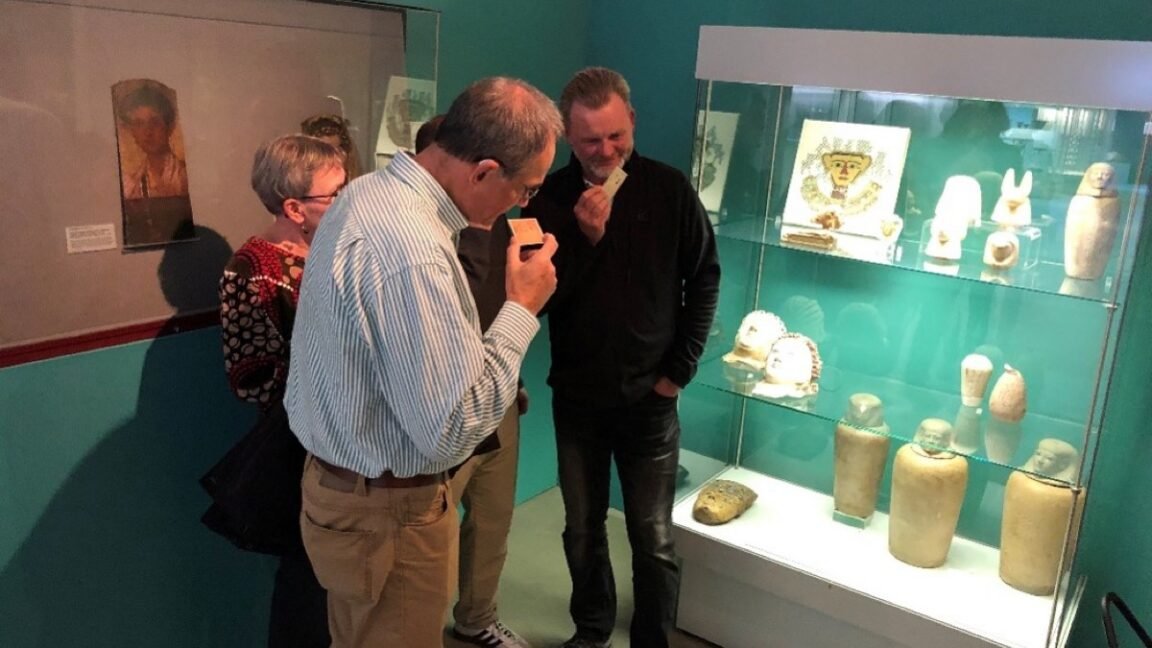
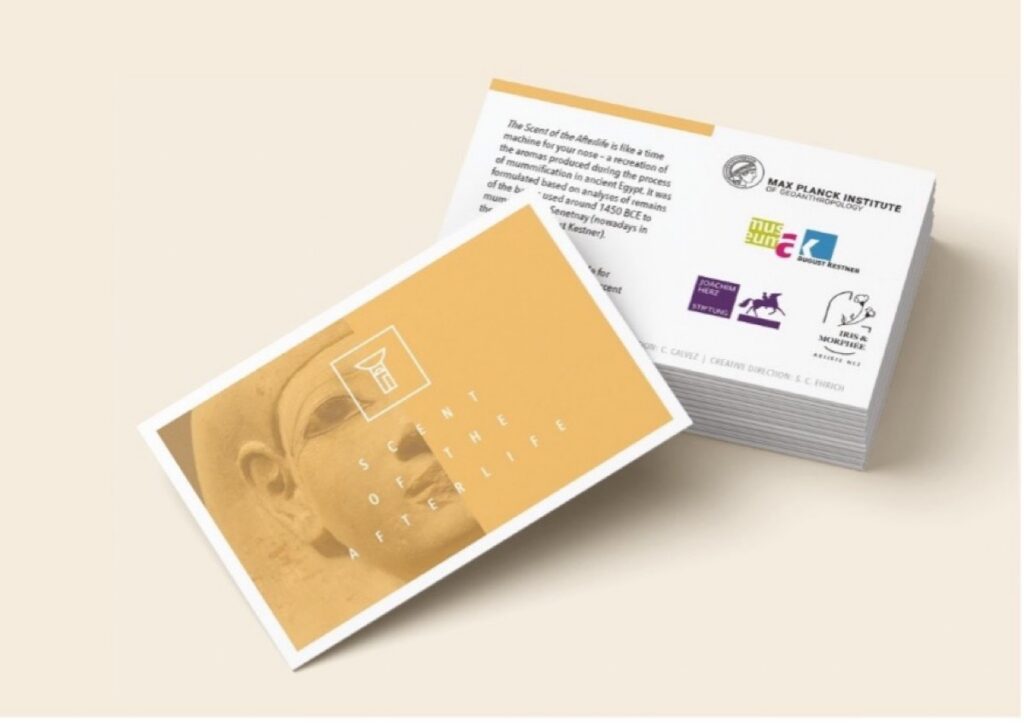
the reproduced scent is inserted into the paper via scent printing.
the reproduced scent is inserted into the paper via scent printing.
Michelle O’Reilly/CC BY
the reproduced scent is inserted into the paper via scent printing.
Michelle O’Reilly/CC BY
Her team’s analysis of the residue samples contained beeswax, plant oils, animal fats, bitumen, and resins from coniferous trees such as pines and larches, as well as vanilla-scented coumarin (found in cinnamon and pea plants) and benzoic acid (common in fragrant resins and gums derived from trees and shrubs). The resulting fragrance combined a “strong pine-like woody scent of the confers,” per Huber, mixed in with “a sweeter undertone of the beeswax” and “the strong smoky scent of the bitumen.”
Huber’s latest paper, published in the journal Frontiers in Environmental Archaeology, outlines an efficient workflow process for museums to add scents to their exhibits. First, she and her co-authors identified links between the scientific data and perfumery practice. Then they worked with perfumer Carole Calvez, who created a scent formulation befitting a museum environment.
“The real challenge lies in imagining the scent as a whole,” said Calvez, emphasizing that the task amounted to more than mere replication. “Biomolecular data provide essential clues, but the perfumer must translate chemical information into a complete and coherent olfactory experience that evokes the complexity of the original material, rather than just its individual components.”
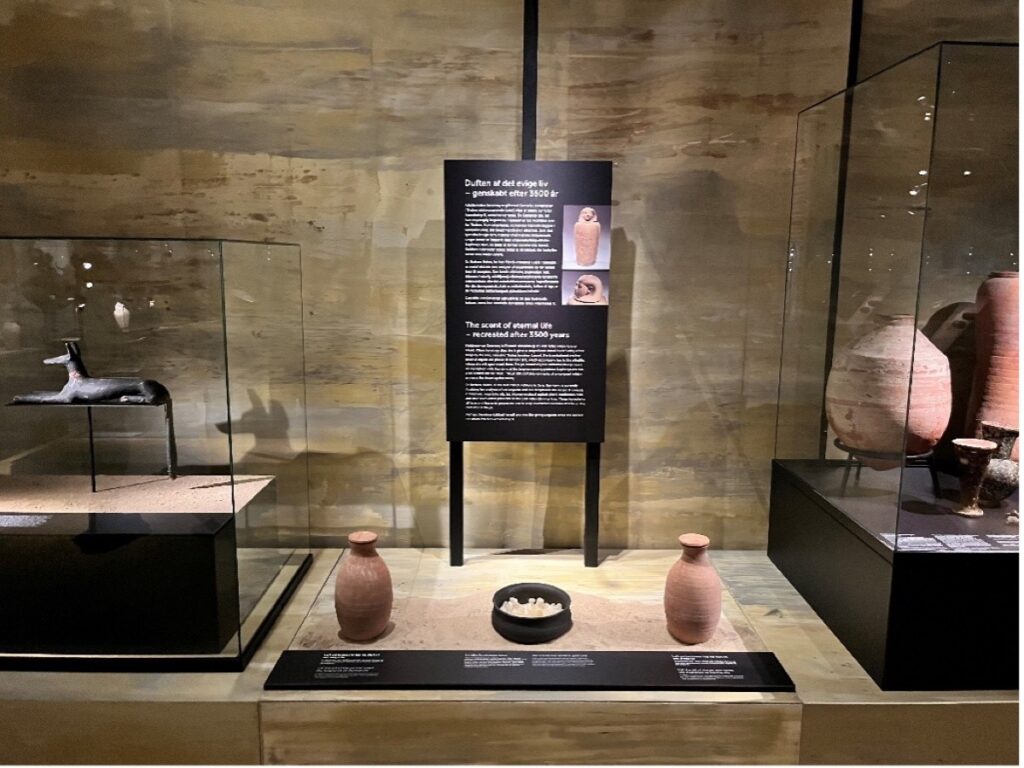
The team also developed two formats to incorporate those scents in museums. One approach was a portable scented card, deployed at the Museum August Kestner in Hanover, Germany, as part of guided tours highlighting the relevant artifacts. The second was the construction of a fixed scent station at the Moesgaard Museum in Aarhus, Denmark. “The scent station transformed how visitors understood embalming,” Moesgaard Museum curator Steffen Terp Laursen said. “Smell added an emotional and sensory depth that text labels alone could never provide.”
Frontiers in Environmental Archaeology, 2026. DOI: 10.3389/fearc.2025.1736875 (About DOIs)
W. Zhao et al, Journal of Archaeological Science, 2026. DOI: 10.1016/j.jas.2026.106490