dailynewsnblog
By Mike Dolan
March 12 –
What matters in U.S. and global markets today
By Mike Dolan, Editor-At-Large, Finance and Markets
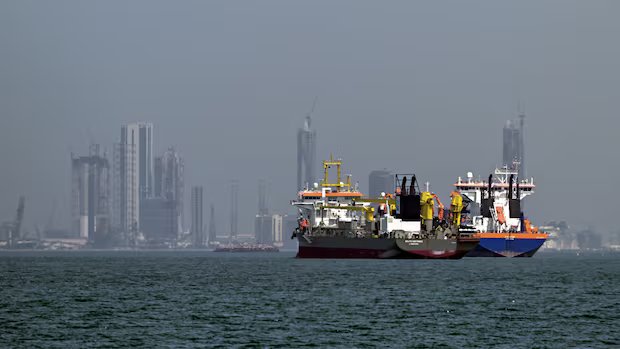
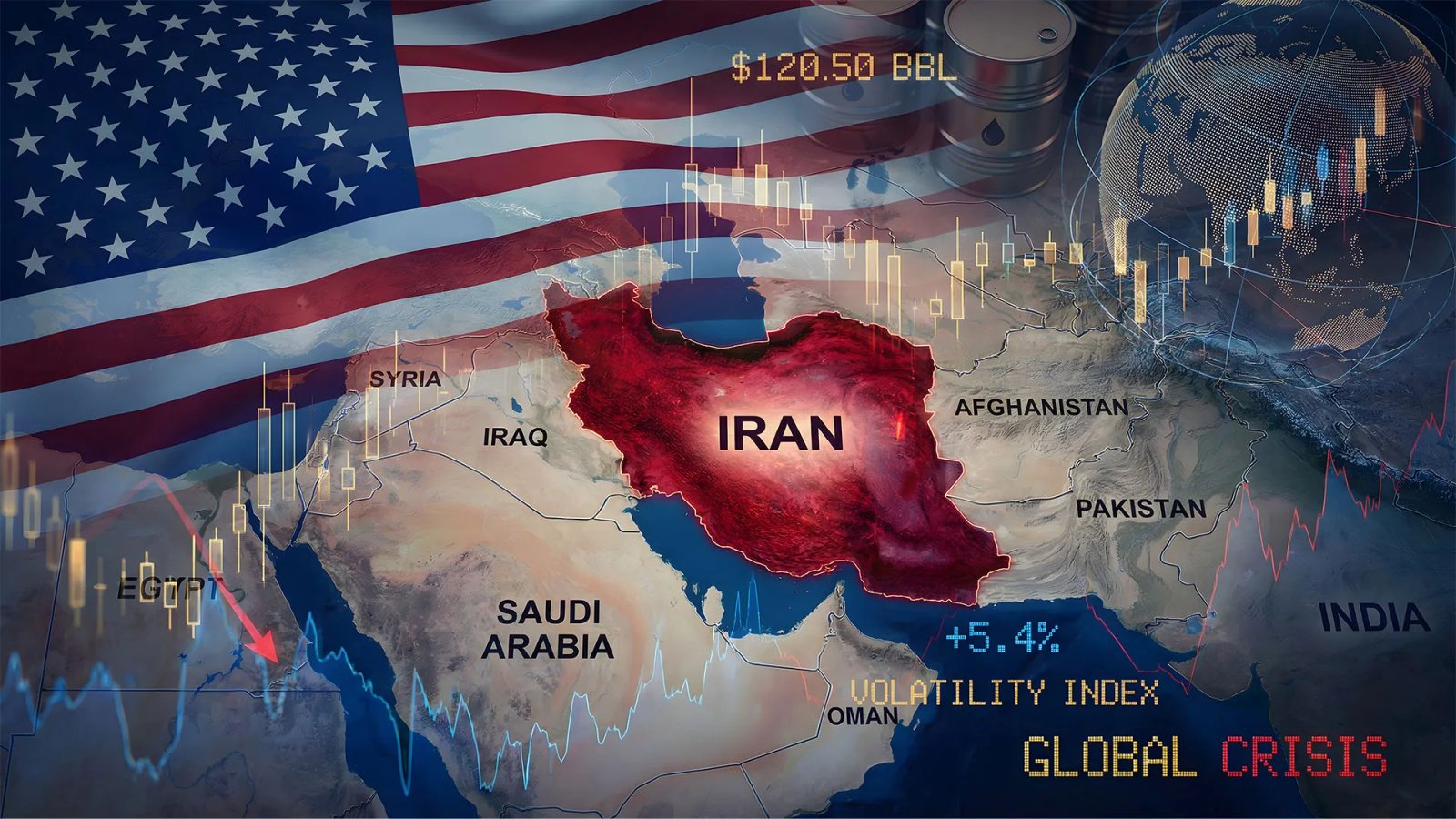
Crude oil is testing $100 per barrel once again, briefly topping that important threshold overnight after rising nearly 5% on Wednesday, as more attacks on ships in the Gulf outweighed the impact of the International Energy Agency’s plan for a record release of crude reserves. Oil market volatility by one gauge recently hit levels not seen since 2020.
Iran, clearly aware that an oil shock is one of its biggest defensive weapons, warned yesterday that the conflict could send oil to $200 per barrel – and the Islamic Republic seems in no hurry to free Gulf shipping as long as the war rages.
I’ll get into that and more below.
But first, check out my latest column on why the lessons of the Ukraine war may now embolden hawks on the ECB.
And listen to today’s episode of the Morning Bid podcast, where I discuss the longer-term implications of this oil shock. Subscribe to hear Reuters journalists discuss the biggest news in markets and finance seven days a week.
TRIPLE DIGIT CRUDE
Stock markets are down across the world again on the latest jump on oil, with major U.S. indexes finishing flat to lower on Wednesday and Asian indexes giving up some recent gains on Thursday. European and U.S. stock futures were down before the bell.
The oil market’s shrug at the record 400-million-barrel reserve release is worrying and an indication of the timeline traders are now contemplating.
The 400 million barrels – more than twice the release seen after the Ukraine invasion in 2022 – would cover about 2-4 weeks of global demand. If the war is still shutting down the Gulf after that, markets could tighten further.
With that timeline in mind, financial markets are already turning attention to potential inflation impacts and central bank responses.
A second U.S. interest rate cut has all but disappeared from the Fed futures curve, with markets now pricing in barely one for 2026. February CPI inflation numbers came in as expected, but that data is from before this oil shock.
Looking ahead, there’s a sweep of central bank decisions next week. The Reserve Bank of Australia is expected to raise interest rates again. Markets are already fully priced for a European Central Bank rate rise by July, and mortgage rates are rising again in Britain. No central bank is likely to be brave enough to cut in this environment.
Meantime, U.S. Treasury yields hit their highest in almost six months heading into Thursday. Soft debt auctions haven’t helped restore confidence this week.