dailynewsnblog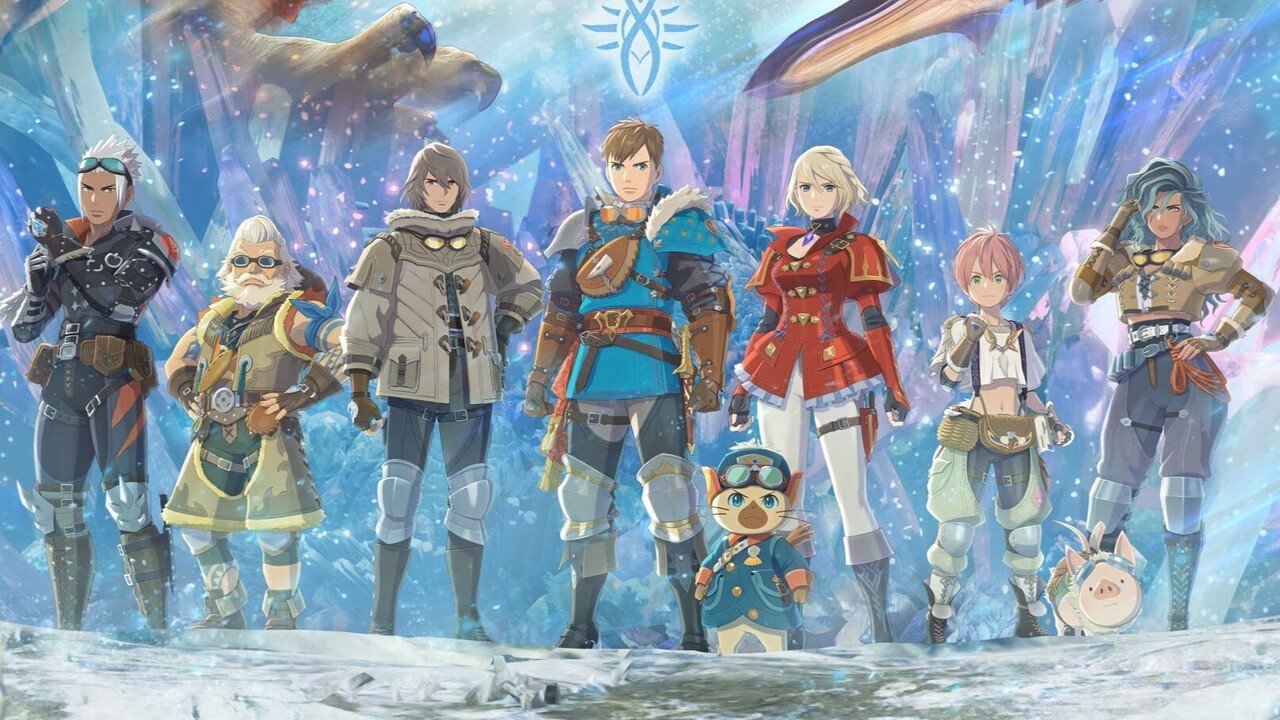
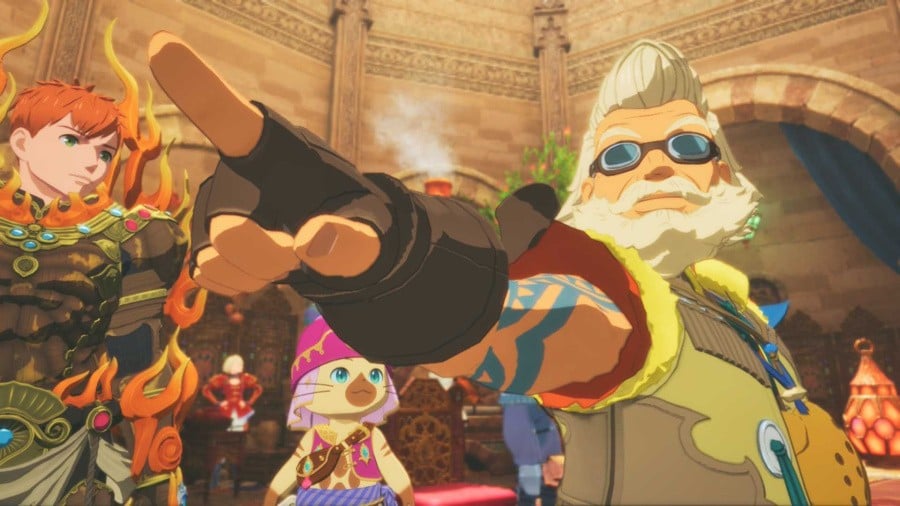
It’s fair to say that, at the time of writing, Capcom is on an absolute roll with Nintendo Switch 2. Monster Hunter Stories 3: Twisted Reflection arrives against that backdrop, but also as a continuation of a franchise spin-off that began as a 3DS exclusive. Nintendo systems have benefited from plenty of Monster Hunter games since the days of Nintendo Wii; this latest title is a welcome addition and, for that matter, yet another monstrous IP on Nintendo’s latest platform.
As mentioned in our preview, it’s worth noting that if you’re new to Monster Hunter Stories but like the concept enough to dive into this new entry, you can do so with confidence. There are some nice nods and lore references for long term fans, but everything is presented in a way to accommodate all players; both previous games are also available on Switch, however, if you want to go all in. That means once again that Capcom delivers its own blend of monster – or Monstie – collecting with all the trappings of large RPGs – massive spaces to explore, more optional content than you can shake a stick at, too many menus and a whole lot of likeable characters.
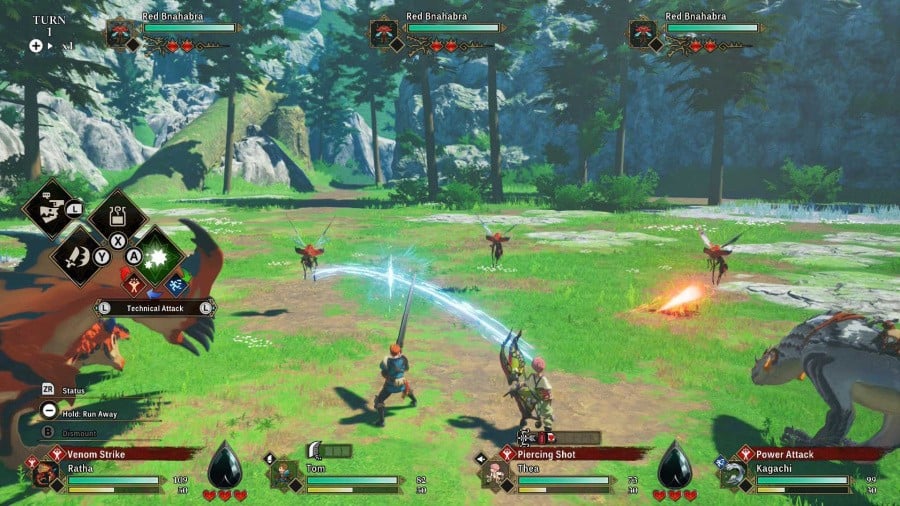
You take up the role of a Prince or Princess that leads a team of Rangers, with a limited customization suite to add extra personality. It’s a setup that works well, with the vast majority of voiced storytelling cutscenes being in-engine, right down to your armour occasionally making things look silly. What comes is a tale wrapped in some heavy themes – ecological preservation, warring nations and historical sins coming back to haunt society. That said, around serious moments you’ll also find a lot of levity and optimism, staying true to the series’ style.
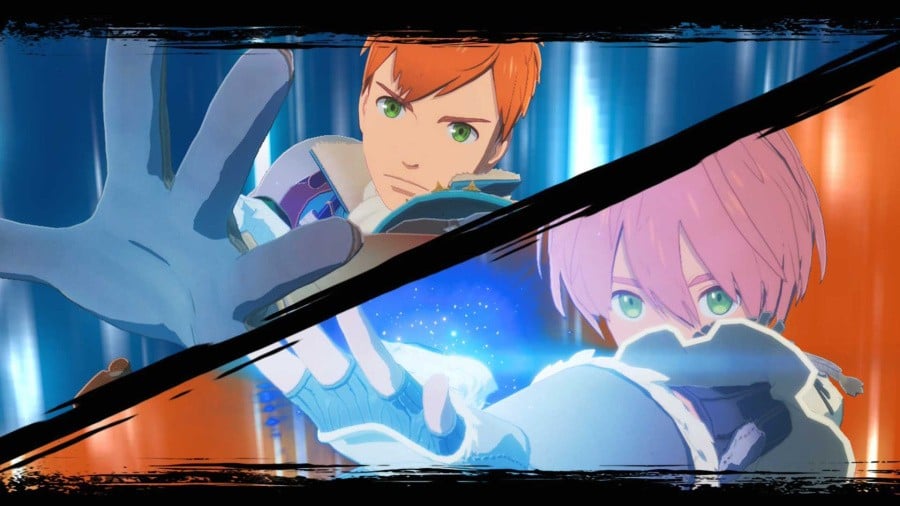
The story itself, in conventional RPG fashion, acts as an occasional cut-in amongst plenty of exploring, side quests and party-building. A strength in this series, continued here, is that the ongoing cycle is kept interesting by taking you across a number of varied biomes, just like most of the main-series games, each with their own people and monsters to encounter. Each area is a mini-RPG in itself, in a sense; if you’re going deep you can strive to revive each ecology by finding Monstie eggs to hatch and then release back to the wild. If you’re planning to revive every ecology fully, it’ll take a while.
A key part of that mechanic, and the broader game, is to visit dens to obtain eggs which you then hatch. These are found all over the world, or if you win an encounter against a monster there’s a chance they’ll ‘retreat’ to their den. Either way this is how to “catch ‘em all”, Monster Hunter-style, and either diversify or evolve your party of up to 6 Monsties, or chase other goals such as those ecology revivals. Thankfully this is greatly streamlined to encourage collecting, with dens being small spaces where you can be in and out in a minute, rather than battling through sprawling mini-dungeons. This improves the flow compared to earlier Stories games, and there’s a lot to Monstie management overall, so those that love to evolve and customize parties will have a blast.
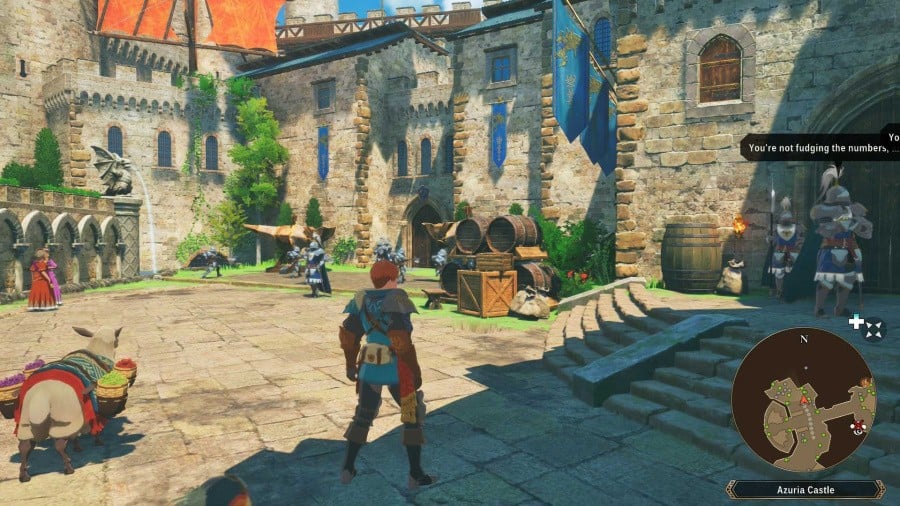
Outside of egg collecting, fetch quests and ‘hunt this monster for reasons’ sidequests, the key hook is the combat. Turn-based encounters have four characters – you, a chosen companion from your group (they all have different strengths), and two Monsties that can be swapped out depending on a fight’s ideal strategy. It’s a rock-paper-scissors system with charge-up abilities such as riding your little monster companions for powerful attacks, bonuses for breaking monster parts and more; it’s very well implemented, both easy to understand and complex to master, making players think about their plan of attack rather than spamming certain moves. In the endgame, it’s absolutely essential to have the right team combinations to even stand a chance.
Alas, this entry does carry a similar complaint to its predecessors, especially as it may be a title attractive to younger or less experienced gamers. The required grind, especially to get past the endgame, can be tedious if you don’t want to do so excessively. There aren’t difficulty settings, and failed attempts give useful tips but no other concessions.
There are some occasional difficulty spikes throughout the game where you go from easily clearing a major fight to getting smacked around within 30 minutes at the next story beat. The previous games did this and, well, it suits the grind-lovers at the expense of those that want to enjoy the story without hunting every kind of egg and maxing out their team.
That said, the journey is worth it overall. It’s a lovely space to be in. The cast are charming – amplified further in side stories you can undertake – and the development team’s dedication and love for the series shines through. Whether it’s beautifully orchestrated music, top notch cutscene work (with strong voice acting) or just the sheer nuance and depth of the environments, it’s an impressive effort and worthy of praise.
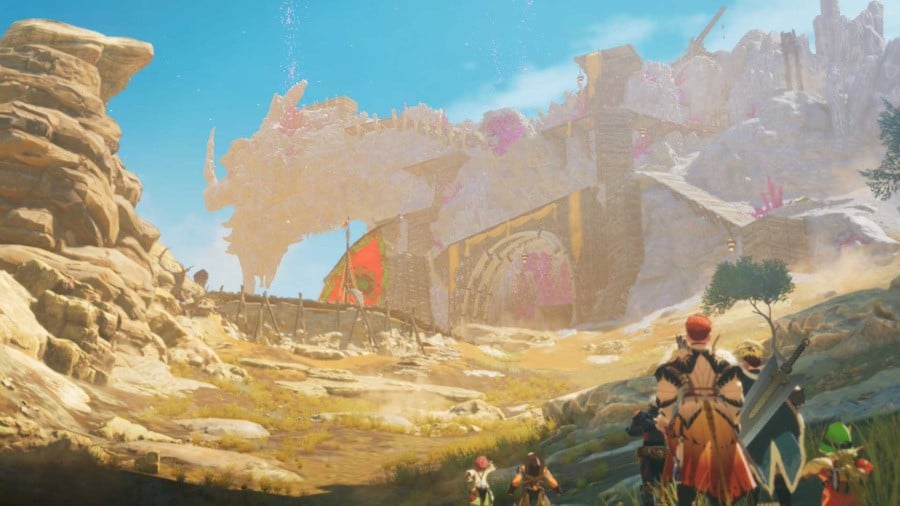
To move onto performance on Switch 2, it’s worth noting that there were no updates during the review window, continuing the same benchmark we saw in the preview. We have an unlocked framerate that only hits 60fps in specific enclosed spaces or battles, and likely spends most of the time in the overworld wobbling between 30-45fps. This happens often with RE Engine titles but the overall feel is a little disappointing, and two biomes in particular really struggle due to extensive environmental detail. It does look pretty good at times, moreso when docked, but these downsides are worth keeping in mind.
Does it affect gameplay much in an RPG like this? Not really. Should it be better? Yes. This isn’t as lush as other games that use the same engine on Switch 2, but it runs worse, likely due to the large open spaces and hangovers from the way the technology was used by the development team in the previous two games. If you are keen to play the game and want to enjoy it on Switch 2, the performance is functional for the genre. I do hope, though, that Capcom can tidy it up with some optimization and frame cap options.
Conclusion
Monster Hunter Stories 3: Twisted Reflection is another strong entry in this series, and deserving of a place at the top table alongside a number of other excellent RPGs on Switch 2.
A well-told story, an intriguing world and some excellent mechanics ultimately overshadow the usual (for this series) balancing issues and performance wobbles. If you want to collect ‘em all within a charming Monster Hunter setting, this game will keep you busy for a long time.