dailynewsnblog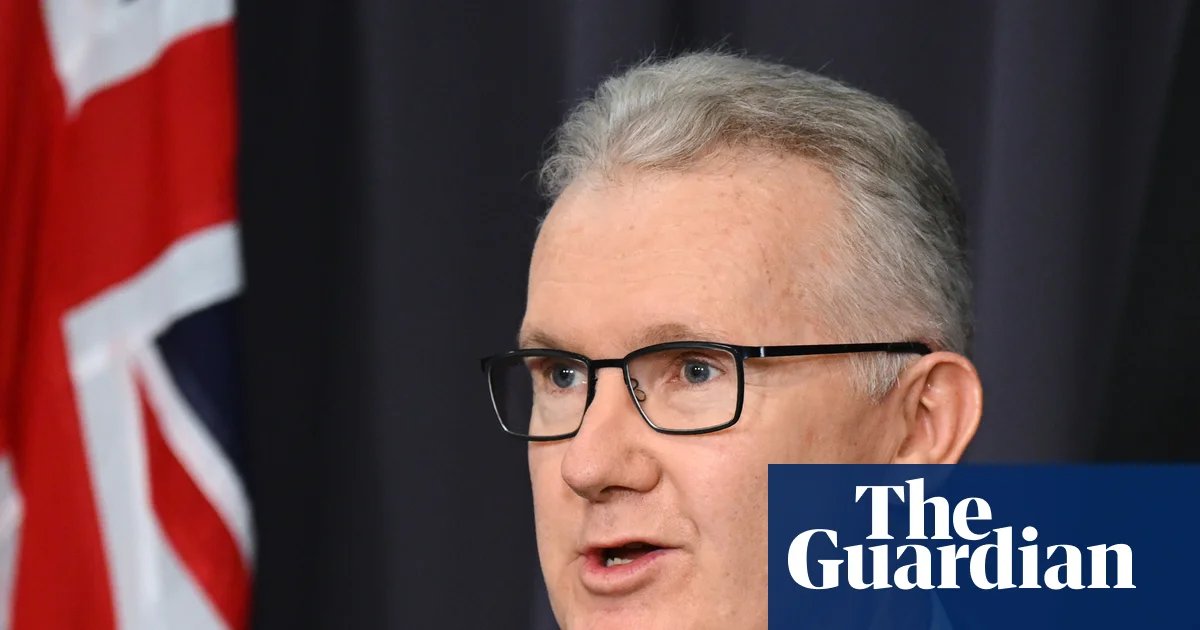
Iranian tourists will be banned from entering Australia for the next six months after the home affairs minister, Tony Burke, triggered tough new immigration laws over concerns visitors may not be able to return to Iran.
The ban will apply to around 6,800 Iranians with valid tourist visas – though some may still be given the chance to enter the country under special consideration.
The move has further enraged refugee and humanitarian advocates, who criticised the Albanese government for swiftly passing the “appalling” laws in March.
Burke announced on Wednesday evening the control determination order would apply to all Iranians on tourist visas for the next six months, a move the government said was in the national interest amid rapidly changing global conditions.
“There are many visitor visas, which were issued before the conflict in Iran which may not have been issued if they were applied for now,” Burke said.
“Decisions about permanent stays in Australia should be deliberate decisions of the government, not a random consequence of who had booked a holiday.
“The Australian government is closely monitoring global developments and will adjust settings as required to ensure Australia’s migration system remains orderly, fair and sustainable.”
The order only applies to people with a valid tourist visa outside the country. An order can only last for six months before the minister has to apply for it again.
The government said “sympathetic consideration” would be given to the Iranian parents of Australian citizens. Others on tourist visas needing to travel can apply for a permitted travel certificate.
Officials for the home affairs department revealed earlier this month there were more than 7,200 temporary visa holders within Iran, with the number of temporary visa holders growing to more than 40,000 across the broader region affected by the conflict.
However, the temporary entry ban will only apply to holders of tourist visas – also known as subclass 600 visas – which totals around 6,800.
Nos Hosseini, spokesperson for the Iranian Women’s Association, said the decision was “disappointing” but not a surprise after the bill was quickly passed last sitting fortnight.
“I think, given the circumstances, it should really be a time of compassion,” she told Guardian Australia.
“As a community, we are grieving. We are under immense stress, and this was not the type of announcement we were expecting to hear.”
The Warringah MP, Zali Steggall, said the “sweeping, unchecked” powers posed serious risks that warranted a further look by parliament.
“We are now seeing the real-world impact – thousands of people who followed the rules, paid fees, and made plans in good faith are being left in limbo,” she said.
“Invalidating lawfully obtained visas undermines confidence in our entire migration system and sets a dangerous precedent.”
The Greens senator, David Shoebridge, accused the government of pretending to care about the plight of Iranians under the regime to justify support for the US-Israel war, only to later drop them.
“Time and time again, it is the Labor party that passes the cruellest laws targeting refugees. One Nation and Liberals may cheer Labor on, but it is Labor pulling the trigger,” he said.
“Today’s order puts the lie to the pretence that Labor is supporting the illegal US and Israeli war on Iran to help the Iranian people. They could not care less.”
The Asylum Seeker Resource Centre said the government’s decision was a “massive betrayal” and a “breathtaking moral failure”.
“In the moment that people need safety the most and their country is being torn apart, the Albanese government is slamming the door closed on people from Iran,” Jana Favero, the centre’s deputy chief executive, said.
“This is a cruel move that adds unnecessary trauma and harm.”
The temporary visa bans were first revealed hours after Burke had facilitated asylum applications from members of the Iranian women’s football team.
“They are welcome to stay in Australia,” Burke told an early morning press conference in Brisbane this month. “They are safe here, and they should feel at home here.”
In the end, seven were offered and accepted asylum offers before five changed their minds and returned to Iran. Two remain in Australia.
-
This story was amended on 26 March 2026. An earlier version stated the new laws could affect up to 7,200 people – Tony Burke’s office later confirmed it would affect around 6,800 people.