dailynewsnblog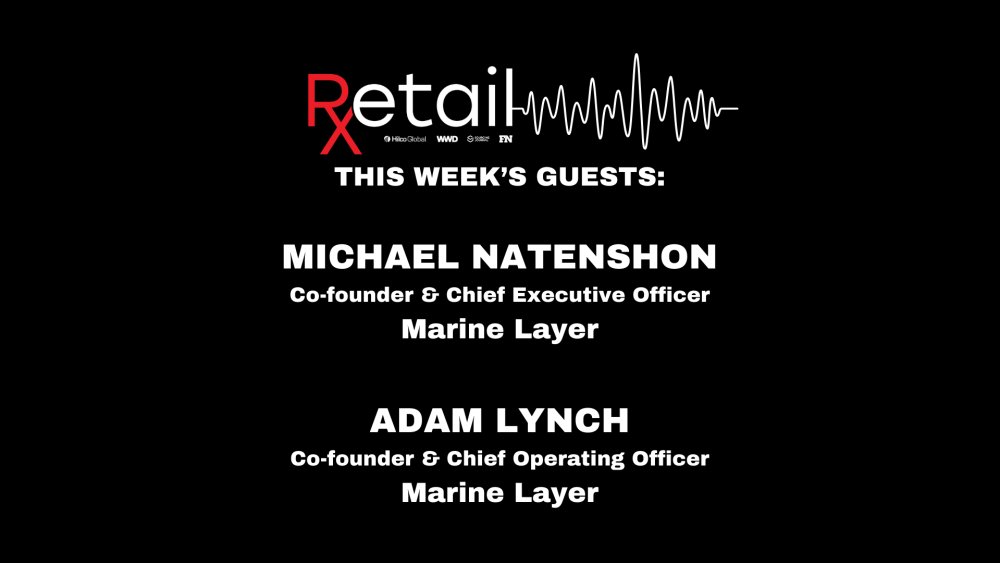
More than 15 years ago, two childhood friends decided to make the switch from finance to fashion, and Marine Layer was born. The spark for the company came from cofounder and chief executive officer Michael Natenshon’s desire to replicate the lived-in feel of a beloved T-shirt that had reached the end of its life. Without being able to find anything comparable on the market, this goal set him on a path of working with manufacturers to develop custom fabrics that fit the bill.
“Fabric is an opportunity to express the brand and to provide something unique and different to the customer, so I think we’ve always paid a lot of attention to that,” Natenshon told Ian Fredericks, chief executive officer of Hilco Global Capital Solutions and executive director of Hilco’s consumer and retail platform. “Everything is very soft, and we want it to have a certain feel, and have that sort of favorite shirt DNA in everything that we make.”
[To listen to the podcast on Retail RX, CLICK HERE]
What began as a small operation with a single 450-square-foot storefront today counts 55 locations, with more retail openings in the works. Despite chatter about multiple “retail apocalypses” since they started, the brand remains bullish on brick-and-mortar. “We just believe that it’s, I think, fundamentally, a really, really special place to bring the brand to life,” said Adam Lynch, cofounder and chief operating officer of Marine Layer. “There’s something about the tactile environment, and feeling these fabrics…that we’ve developed, that you just can’t replicate online.”
The brand recently leaned into personalization in select stores, including a New York City pop-up shop, giving customers the chance to make their Marine Layer garments truly their own with patches and other customization. “There’s so much sameness in the market now, we felt like this was an opportunity for people to be a little bit more self-expressive, and they’ve been wildly successful,” said Natenshon.
A B Corp-certified brand, Marine Layer is focused on doing right by people and the planet. This includes “radical transparency” about who is making their clothing, and how, and it also extends to areas such as employee benefits across the organization. Among Marine Layer’s efforts around environmental impact is Re-Spun, which collects consumers’ used T-shirts and turns them into new merchandise. To date, this program has collected 1.4 million shirts for upcycling. “There was something that people [are] really latching on to, and just giving people the ability to thoughtfully clean out their closet,” said Natenshon.
On this episode of WWD Voices for Retail Rx, Lynch and Natenshon discuss their company’s early stages, how they are approaching product development and what is next for the brand.