dailynewsnblog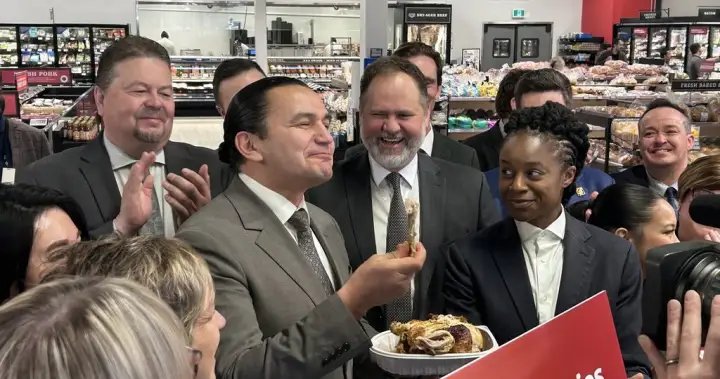
The Manitoba government’s plan to eliminate the provincial sales tax on all food sold in grocery stores was questioned Wednesday by restaurant owners who argue they’re being put at a disadvantage.

The tax cut, included in Tuesday’s provincial budget, will expand a sales-tax exemption that already covers basic groceries, such as milk, meat, produce and bread, across the retail sector.
Starting July 1, the exemption expands to snacks, soft drinks, candies and prepared takeaway foods, but only from grocery stores.
The Manitoba Restaurant and Foodservices Association said the move will put its members at a disadvantage. Their takeout food will continue to be taxed while similar takeout food from grocery stores will be exempt.
“We just want a level playing field … we can’t afford to lose any additional revenue,” said Shaun Jeffrey, the association’s executive director.
“This is going to potentially take consumers away from the restaurant industry and push them into a grocery store.”
Small convenience stores, gas stations and other outlets that aren’t grocery stores are also left out of the tax cut.

Get breaking National news
Get breaking Canada news delivered to your inbox as it happens so you won’t miss a trending story.
Premier Wab Kinew said the government chose to limit the tax exemption to grocery stores, because the savings will benefit everyone.
“A lot of low-income Manitobans can’t go out to eat, but they’re still going to go to the store,” Kinew said at a Wednesday news conference inside a grocery outlet. The event ended with the premier eating part of a rotisserie chicken, one of the items soon to be tax-exempt.
The tax cut also raised some concern among a group representing physicians across the province. Many of the newly exempt foods are snacks, and Doctors Manitoba said it would prefer to see healthy foods prioritized.
Kinew said people can opt for the food they want, and busy families pressed for time will benefit from paying less when they pick up dinner on their way home from work or a kids’ sporting event.
“I encourage people to eat healthy food, absolutely, and people are going to make their choices. But for us as a government, we’re just going to help you with the cost of living,” he said.
How much money Manitobans might save under the tax cut will depend on how much they currently spend on snacks, takeaway meals and other items that will soon be exempt.
The budget estimates the tax cut will reduce government revenues by $32 million a year, which works out to an average of roughly $22 for every adult and child in the province.
Konrad Narth, a member of the Opposition Progressive Conservatives, tabled a receipt in the legislature from one of his constituents.
Narth said the man spent $109 on groceries and, because most of the items are already tax-exempt, he would save only two cents under the NDP government’s tax cut.
“How does this government feel that a two-cent saving is going to help small businesses and taxpayers?” Narth asked.
Finance Minister Adrien Sala said the tax cut is one of many moves the government has made on affordability. It’s also freezing the price of one-litre cartons of milk and introducing a bill to ban food sellers from charging shoppers different prices based on their personal data.
“We are very proud to be doing the work of pulling every single lever we have available to us as government to lower your grocery costs,” Sala said.
© 2026 The Canadian Press