dailynewsnblog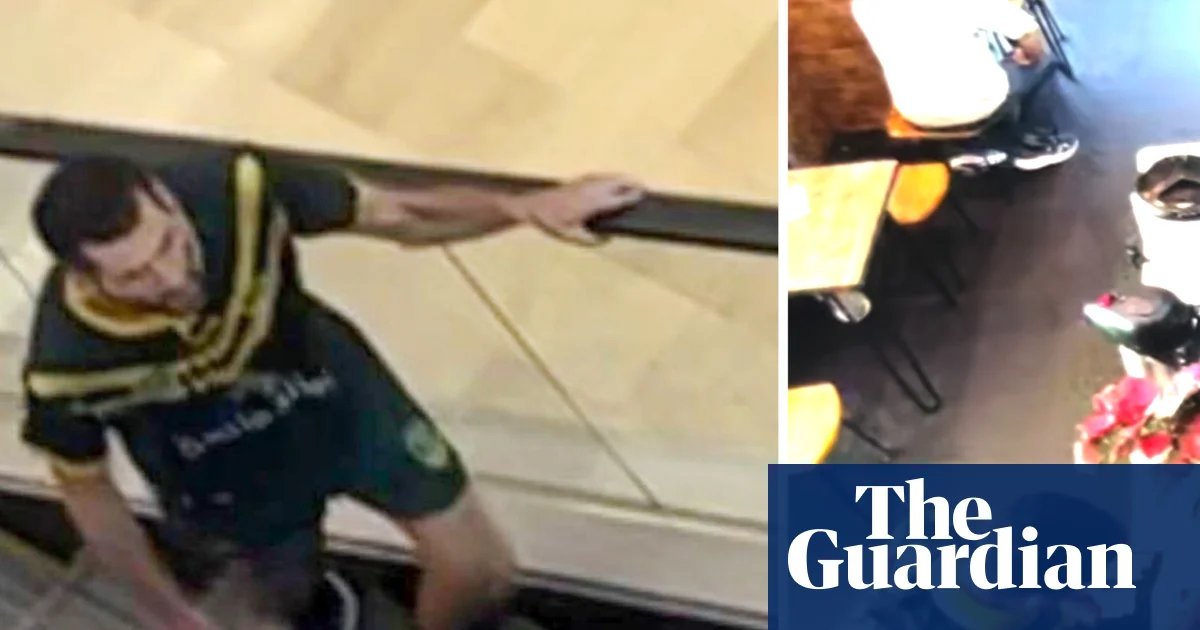
It was a “major failing” for Joel Cauchi’s former psychiatrist not to recognise he had relapsed in the lead up to the Bondi Junction stabbings in 2024, a coroner has found.
The state coroner, Teresa O’Sullivan, handed down her findings in an 837-page report on Thursday after she had delayed its release following the Bondi beach terror attack in December.
She recommended changes to the New South Wales mental health system.
Family members of the victims gathered in court to hear the coroner’s findings regarding 40-year-old Joel Cauchi’s violent attack at a Westfield shopping centre.
Cauchi, who lived with schizophrenia, killed Ashley Good, 38, Jade Young, 47, Yixuan Cheng, 27, Pikria Darchia, 55, Dawn Singleton, 25, and Faraz Tahir, 30, and injured 10 others before he was shot and killed by police Insp Amy Scott.
O’Sullivan determined that all six people died of stab wounds.
“While this inquest cannot ever change what happened, it is hoped the recommendations can provide an opportunity for reform which could save future lives,” O’Sullivan said on Thursday.
O’Sullivan said she would be referring Cauchi’s former psychiatrist, Andrea Boros-Lavack, to the Queensland ombudsman to examine her care of him.
But O’Sullivan said it was “important to note” that her care was not a major factor that led Cauchi to murder six people. Senior counsel assisting the inquest, Dr Peggy Dwyer SC, said late last year that “no one could have foreseen the tragic events of 13 April [2024] – it’s not suggested that Dr Boros-Lavack could have”.
The coroner said on Thursday that Boros-Lavack’s care of Cauchi from 2012 to 2019 was exemplary and compassionate, and she did the right thing in listening to his wishes to wean off his medication.
However, O’Sullivan found that Lavack “failed” to assess the seriousness of “what was unfolding before her” when he relapsed.
“The care that was provided was one of the many factors that led to this tragic outcome,” she said.
“While this inquest cannot ever change what happened, it is hoped the recommendations can provide an opportunity for reform which could save future lives.”
She said the inquest was both an opportunity to examine Cauchi’s care, but also the systemic issues in the state’s mental health system.
She recommended the NSW government establish and support short- and long-term accommodation for people experiencing mental health issues and homelessness.
The coroner recommended the NSW government, over the next 12 months, obtain advice about the decline of mental health outreach services and determine a “realistic timeline” to resource such services.