dailynewsnblog

If you’re wondering how Canada’s mission to build more affordable housing is going, here’s a long read all about it.
Canada needs to build hundreds of thousands of homes a year to restore affordability, but construction is slowing.
Now, the federal government is betting on a new Crown Corporation to help close the gap.
Build Canada Homes launched as a Special Operating Agency in September.
The agency is designed to operate like a developer, by using federal land, partnering with provinces, municipalities, non-profits and private builders. Ottawa says the goal is to increase the supply of affordable housing more quickly, including through large-scale and multi developments, while also supporting modern construction methods like modular and factory-built homes.
Housing and Infrastructure Minister Gregor Robertson also said much of these homes will use mass timber, as a way to be Canada’s own “best customer,” amidst trade tensions and U.S. tariffs on steel and softwood.
The program is part of Prime Minister Mark Carney’s broader push to speed up homebuilding and scale up housing construction across the country, backed by what the government described as a $25-billion investment over five years in Budget 2025.
Some housing experts said the bill is largely positive, but like a lot of big strategies and bills the Parliament has introduced since Carney’s promise to cut red-tapes and accelerate housing construction, it’s all up to its implementation process.
Sydney Ko has more.
In Other Headlines
Internationally
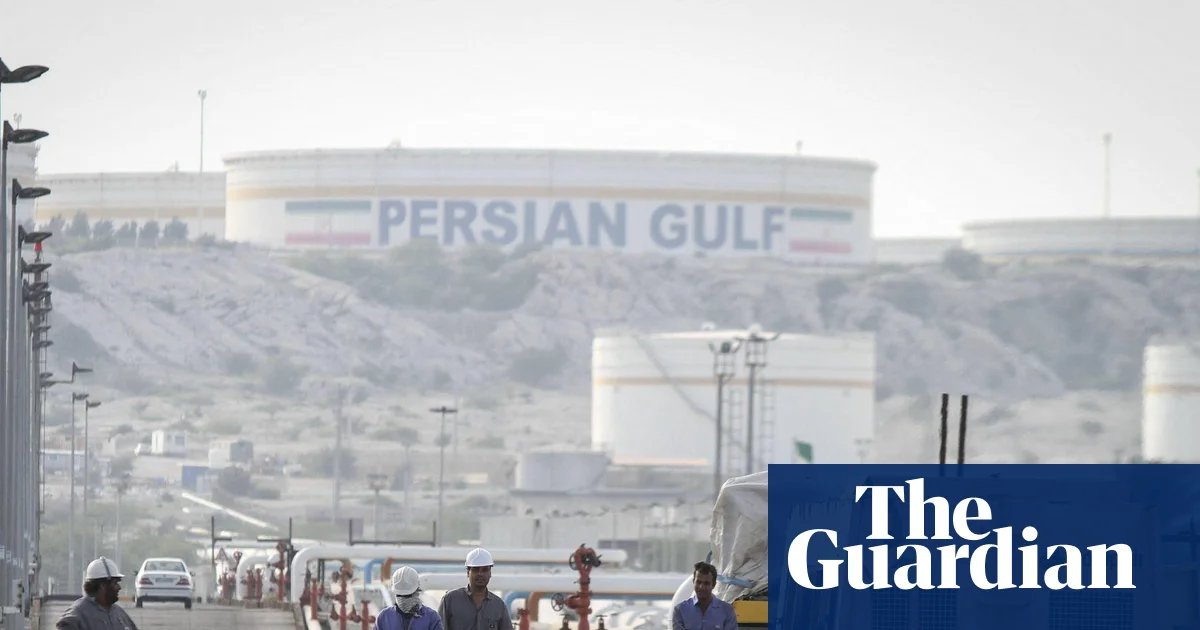
Elsewhere, Asia is confronting one of the first major consequences of an oil shortage, as jet fuel prices surge to record levels and governments scramble to keep flights running.
Airlines have canceled thousands of flights, stranding tens of thousands of passengers. Major regional energy suppliers, including China, South Korea and Thailand, are restricting exports, while import-dependent countries like Vietnam are forced to ration and call on others for help.
The accelerating crisis offers a first glimpse of what happens when oil supplies are suddenly choked off by an unexpected crisis with no clear end in sight. The pain is most acute in Asia, where countries rely on Middle Eastern oil and have limited stockpiles, and experts warn that it may foreshadow more disruptions if the war drags on.
“We’re peering into what our gasoline and diesel future is going to look like if this doesn’t get resolved,” said James Noel-Beswick, the head of commodities at Sparta Commodities, a data firm.
“Jet is kind of a canary in the coal mine,” he said.
The risk of oil shortages rippled across Asia within days after the United States and Israel went to war against Iran, bringing shipping through the Strait of Hormuz to a halt. About a fifth of the world’s oil flows through the narrow shipping corridor along Iran’s southern coast, and most of it ends up in Asia.
The New York Times has more.
Meanwhile, the Refugee Council of Australia questions Australia’s Iran strategy at Women’s Asian Cup.
The United States and Australia’s political tug of war against Iran over the fates of seven members of the Iranian women’s football squad appears to have ended with the depleted team returning home minus the two players who defected last week.
Critics now say politics trumped concern for the women’s best interests as the drama played out. The evidence is that of seven Iranian women who initially accepted asylum in Australia, five changed their minds within days and returned to their country for reasons undisclosed.
Critics argue the outcome might have been different had the women been provided with independent legal advice earlier and the process not been so rushed.
“We ended up with an outcome that is certainly far from ideal,” said Graham Thom, advocacy coordinator for the Refugee Council of Australia, a nonprofit umbrella organisation representing asylum seekers.
“Hopefully, the two who are remaining get the protection they need, but we just hope that those who have returned are also safe,” he added.
Read more from Al Jazeera.
In Other International Headlines
The Kicker
And if you saw the story about Gerald the dolphin kidnapping a man to help build an underwater condo complex – no you didn’t.
A story went viral a week ago claiming that a Florida man had been “kidnapped” by dolphins and forced to help build an entire city underwater, zoning laws included.
It has been debunked, as a county sheriff stepped in and confirmed that no underwater real estate is taking place.
This is a quick reminder that not everything you read on your feed is true, and reassuringly, the housing crisis haven’t pushed us underwater… yet.
Find out more from the Miami Herald.
Have a great weekend!