dailynewsnblog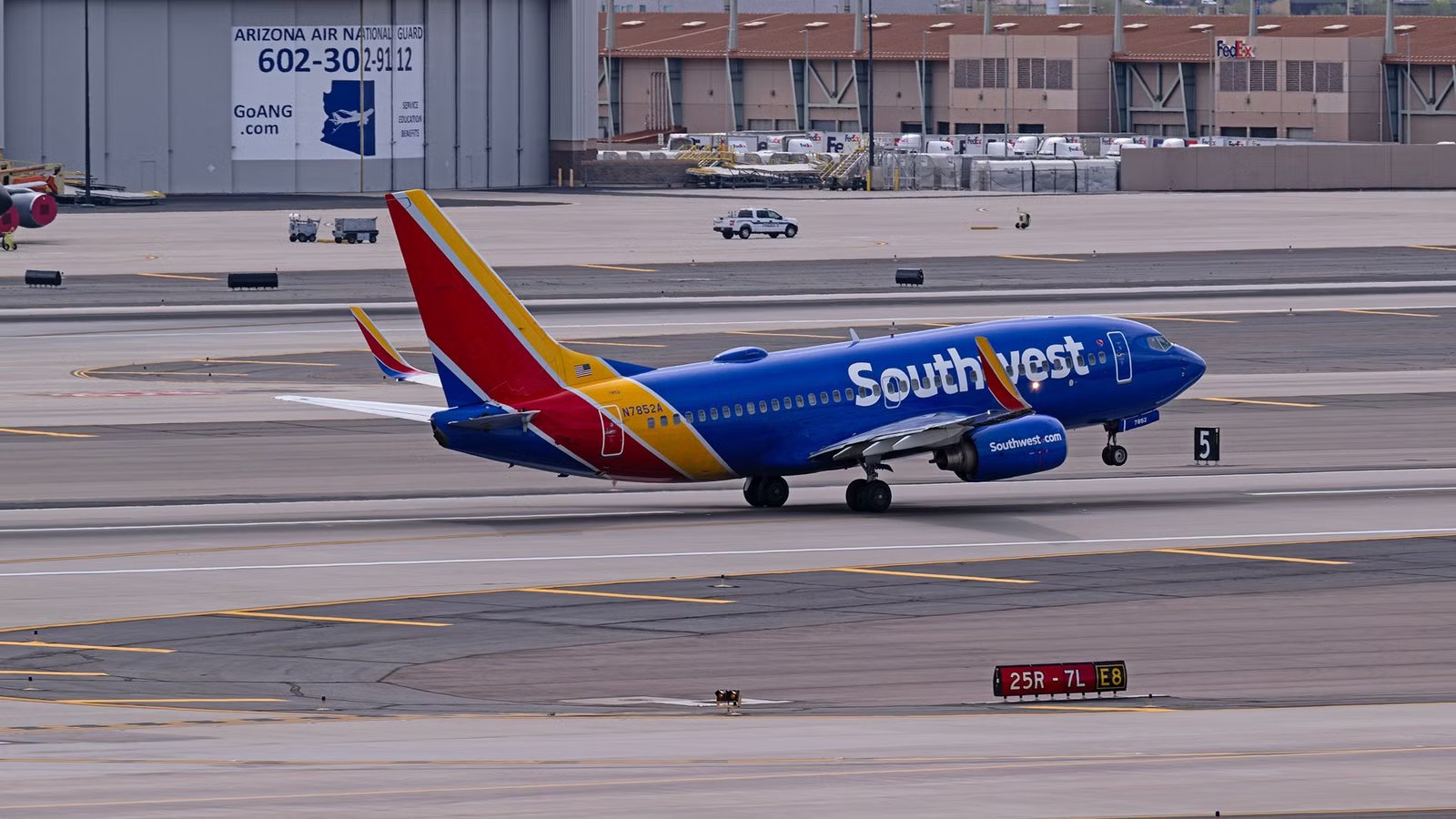
Prices for spring break flights are spiking dramatically as airlines confront a sudden fuel shock layered on top of already strong seasonal demand. The latest reports from investment bank Deutsche Bank, which were analyzed by the Wall Street Journal, have indicated that some one-way prices have more than doubled in a single week, all while the Iran-linked disruption to oil flows has sent US jet fuel prices through the roof.
This has forced carriers to rethink pricing, schedules, and margins. Low-cost airlines are especially exposed because their business model depends on keeping fares very low while operating with an extremely limited cushion. That leaves travelers facing a relatively painful mix of higher base fares, fewer bargains, and the possibility that today’s sticker shock is only the beginning.
Fuel Prices, The Iran War, And Airline Profitability All Go Hand In Hand

Fuel prices disproportionately matter for airlines because jet fuel is typically their largest individual operating expense, accounting for roughly a quarter of a carrier’s operating costs. When the Iran War disrupted oil flows and shipping through the Strait of Hormuz, crude oil and jet fuel prices jumped, and airlines felt the hit almost immediately, a key reason why airline stocks quickly took a tumble in the early weeks of this conflict.
Overall profitability then depends on how fast carriers can pass those costs through fares. If fuel stays high but stable, airlines can gradually reprice their tickets and protect margins. If prices rise suddenly, costs move faster than revenues, squeezing earnings, pressuring weaker balance sheets, and making fare hikes more aggressive in nature. In that environment, unhedged or thin-margin carriers will suffer the most, as they have the least room to absorb any kind of shock and have little incentive not to raise prices.
Analysis Of What The Data Is Telling Us

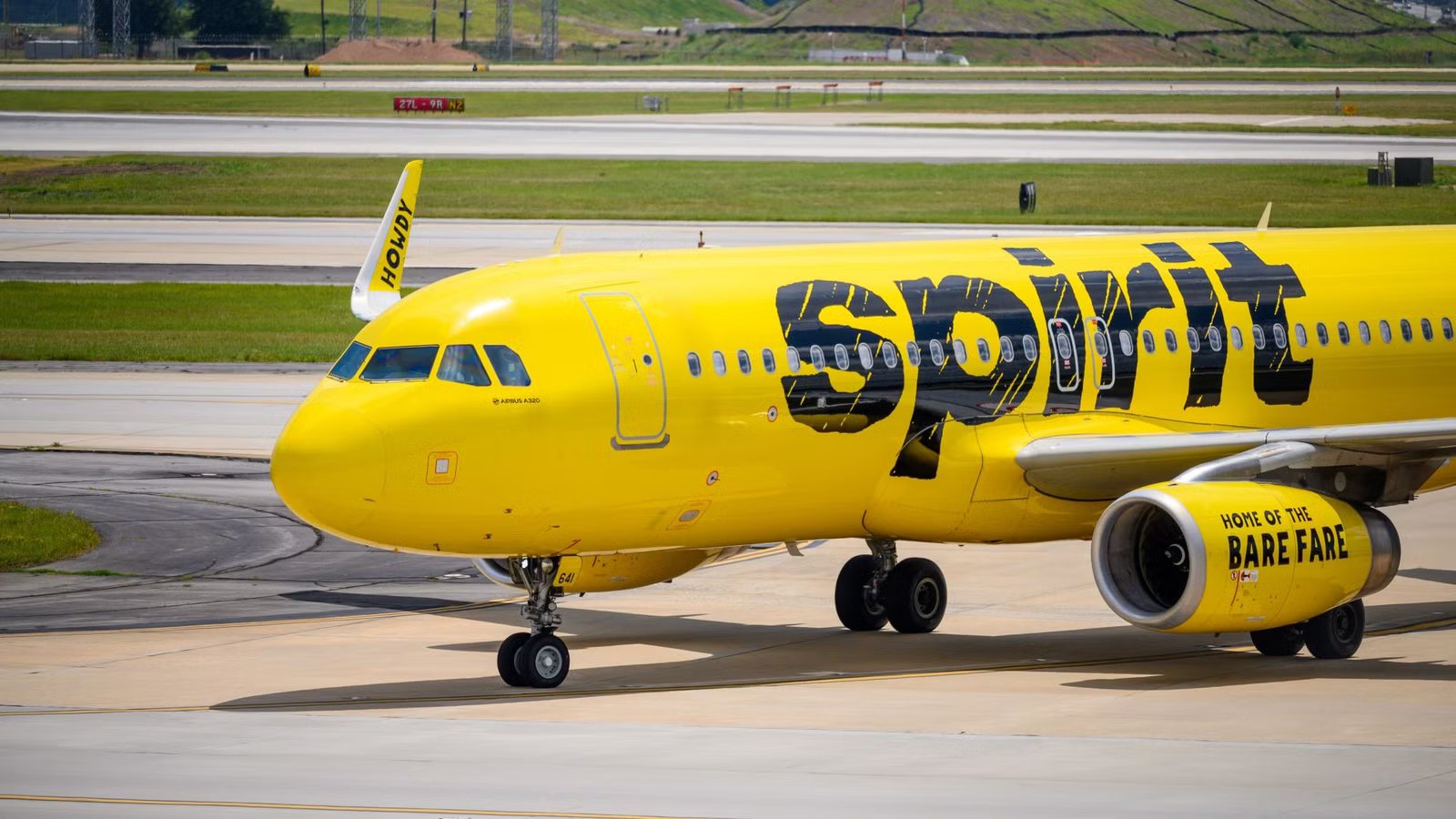
Our analysis of recent fares data highlights a sharp late-March acceleration in one-way domestic fares, with low-cost and ultra-low-cost carriers posting the most dramatic year-over-year increases. Spirit Airlines is a clear outlier, with its fares swinging from a year-over-year decline around March 20 to roughly a 100% increase by March 27.
Allegiant Air also shows consistently elevated pricing, rising from about 25-35% earlier in the period to roughly 80% by the end. JetBlue Airways follows a similar pattern, with tickets rising as high as 75% over their benchmarks. The Big Three network carriers have also attempted to raise fares, with Delta Air Lines leading the pack.
The airline, banking on its strong loyalty economics, is raising prices by up to around 70%.  American Airlines prices remain elevated throughout the period evaluated, with a roughly 50% year-over-year benchmark increase, while United Airlines finishes with that figure sitting around 45%. Southwest Airlines, Alaska Airlines, and Hawaiian Airlines are showing the mildest overall increases.

Fuel Surges & Fare Hikes: Why Your Flight Just Got More Expensive
Carriers continue to count the costs of the conflict in the Middle East.
What Conclusions Can We Draw From This?

The clearest conclusion that we can draw here is that spring break sticker shock is not affecting all airlines equally. Budget-oriented carriers are extremely volatile when it comes to pricing. Spirit, Allegiant, and JetBlue all show incredibly strong upward price movements, suggesting that peak leisure demand is allowing these carriers to price aggressively (especially on routes to the Caribbean).
The same, however, cannot be said for Southwest Airlines,  Alaska Airlines, and Hawaiian, which appear relatively restrained. This suggests that they see themselves as having much more limited pricing power, a different kind of route exposure, and a more gradual response to demand and cost pressures.
An important piece that we do not want to overlook here, however, is the fact that legacy carriers are behaving the way we would expect them to under this set of market conditions. Delta Air Lines is flexing its muscles by raising prices more than United and American, highlighting its belief that it has the strongest premium pricing power in the industry. We can say with some certainty that analysts roughly share this conclusion.