dailynewsnblog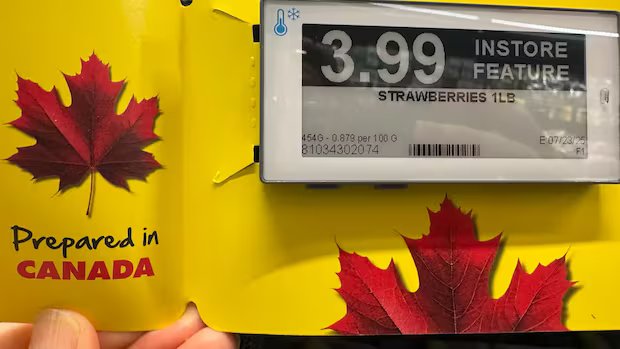

Listen to this article
Estimated 4 minutes
The audio version of this article is generated by AI-based technology. Mispronunciations can occur. We are working with our partners to continually review and improve the results.
Canada’s food regulator has hit a Loblaw-owned store with a $10,000 fine for promoting imported food as a “Product of Canada.”
The Canadian Food Inspection Agency (CFIA) told CBC News that a Toronto Superstore incorrectly used “maple leaf advertising decals” as part of an in-store display to promote a foreign product.
“This created a product advertisement that is misleading to consumers regarding the origin of the product,” said the CFIA in an email. The fine was issued on Jan. 15, but the agency waited until this week to announce it.
The CFIA can impose fines of up to $15,000 per offence. Neither the federal agency nor Loblaw would say what product prompted the penalty.
The Superstore is located on Gerry Fitzgerald Drive, in the city’s north end. Loblaw said it strives for accurate country-of-origin signage, but that the task is challenging when dealing with mass inventory.
“That’s why we’re continuing to strengthen our processes,” said Canada’s largest grocer in an email, adding, “We’re sorry for any confusion this may have caused.”
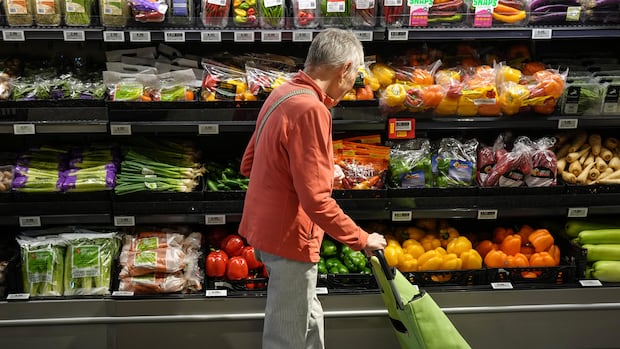
Many major grocery chains are trying to draw in ‘Buy Canadian’ conscious shoppers, but when CBC News took a closer look, it found misleading Canadian branding for several imported food products.
Shoppers angry over lack of fines
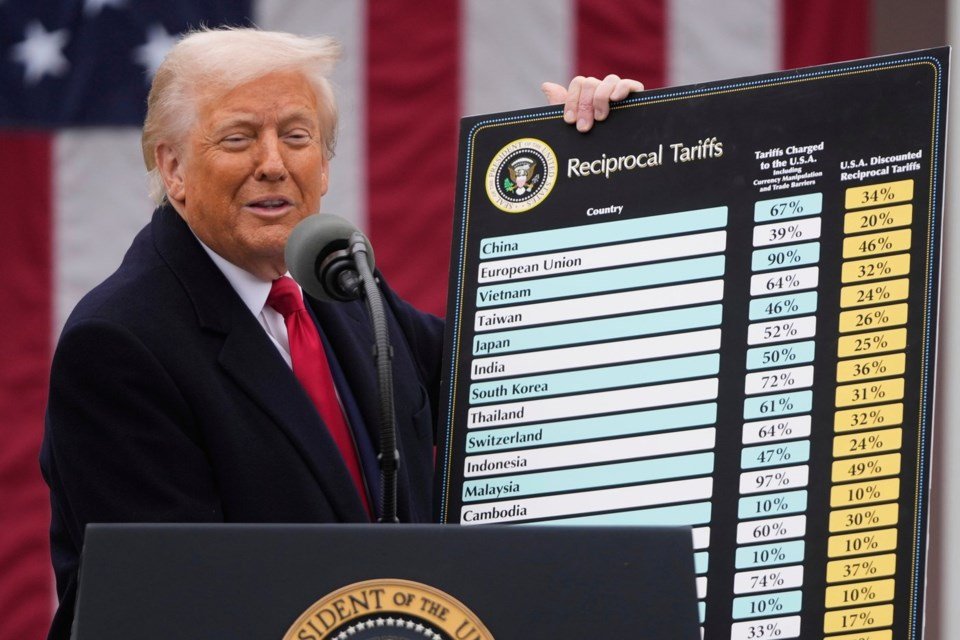
The buy-Canadian movement gained momentum early last year in response to U.S. President Donald Trump’s tariff war, and comments about Canada becoming the 51st state. Grocers capitalized on the trend by using Canadian branding in their stores to promote home-grown products — sometimes inaccurately.
The CFIA’s decision to fine the Superstore follows a CBC News investigation last summer which uncovered some big grocers promoting imported food as having Canadian content — a practice known as “maple washing.”
Federal regulations state that food labels and in-store signage must be accurate and not misleading.
Inaccurate cases uncovered included a Toronto Sobeys advertising raw almonds with a red maple leaf symbol and a “Made in Canada” declaration on the product’s signage. However, Canada doesn’t grow almonds.
CBC News also found a Loblaw-owned Toronto No Frills displaying strawberries with signage that included a red maple leaf and the phrase, “Prepared in Canada.” But the berries’ packaging stated that they were a “product of USA.”
Last September, some shoppers expressed anger that the CFIA hadn’t issued any fines to grocers in the dozen of “maple washing” cases the agency itself had uncovered.

The CFIA has said that it “takes food mislabelling seriously” and selects appropriate enforcement action “based on a range of considerations” including risk factors, the company’s compliance history and its “responsiveness to resolving the issue.”
The agency has yet to respond to a question about why Sobeys avoided fines following an investigation last April into a mislabelling case which took four months to resolve.
In that case, a Sobeys-owned Safeway store just outside Edmonton advertised house brand Compliments avocado oil with in-store signage that included a red maple leaf and the label “Made in Canada.” But the small print on the bottle revealed the product was imported.
Sheila Young, who complained to the CFIA about the avocado oil, said in September it was time for the agency to start issuing fines in these types of cases.
“Enough time has passed,” said Young, who lives just outside Edmonton. “[Grocers] should have it together.”
According to the CFIA, “Product of Canada” refers to food that is entirely or almost entirely created in the country. To qualify as “Made in Canada,” the last significant transformation of a food product must occur in the country.