dailynewsnblog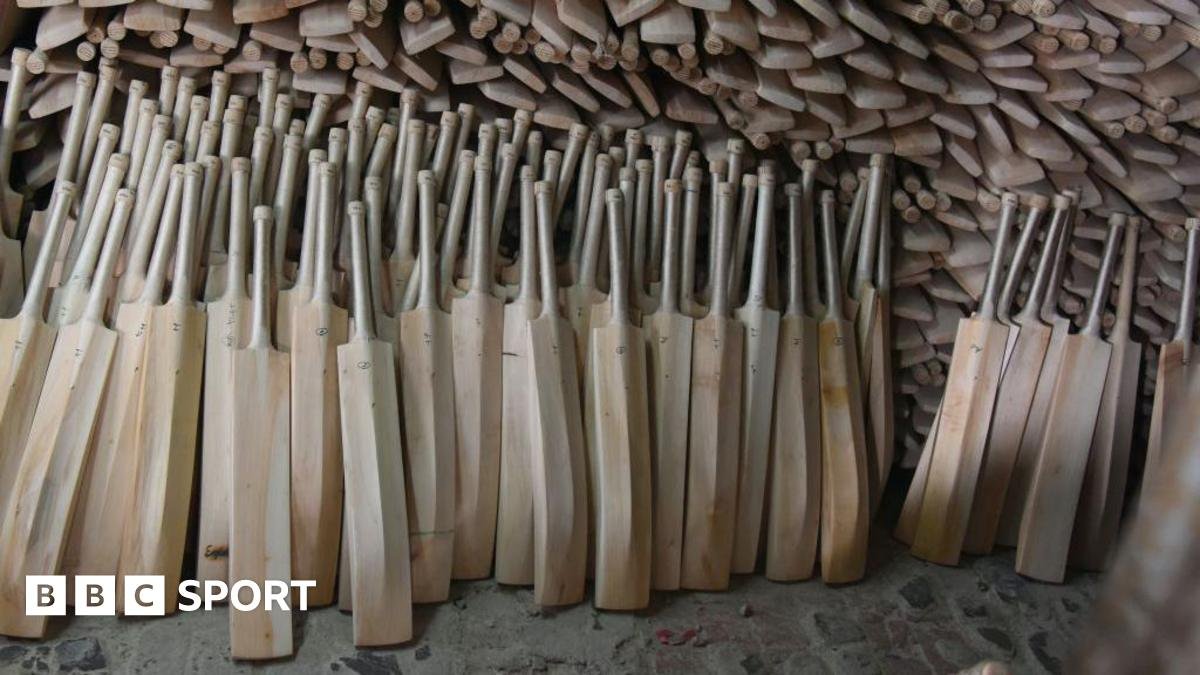
MCC Laws manager Fraser Stewart said the move comes following considerable time testing the bats in conjunction with manufacturers and any performance advantage from Type D bats will be “marginal at best”.
“We felt if anything can be done for the lower levels of the sport that will help make it more affordable without changing the dynamics of the game then it’s a sensible move to make,” Stewart told BBC Sport.
Last year the MCC held a conference at Lord’s which brought together key stakeholders to debate the future of bat making.
Central to discussions has been the reliance on English willow and the scarcity in availability of it, which has led to price rises in recent years.
Bat prices are said to have trebled following increased demand from countries in South Asia, with some top-end models costing close to £1,000.
“There’s not really enough willow to go round,” added Stewart.
“So it’s about being as sustainable as we can, too. Let’s try and use as much of the tree as possible. Let’s try and be as sustainable as we can.
“Manufacturers have been very supportive of this. They don’t want to be charging huge amounts for the bats.”
BBC Sport understands the MCC are exploring bats made from alternative materials but are conscious of upsetting the balance of the game along with the possibility of increased risk of injury.
Scientists at the University of Cambridge have previously suggested bamboo could be used instead of willow to make bats.
Graphite-backed bats – banned in 2006 and withdrawn by manufacturers – have also be proposed as a solution.