dailynewsnblog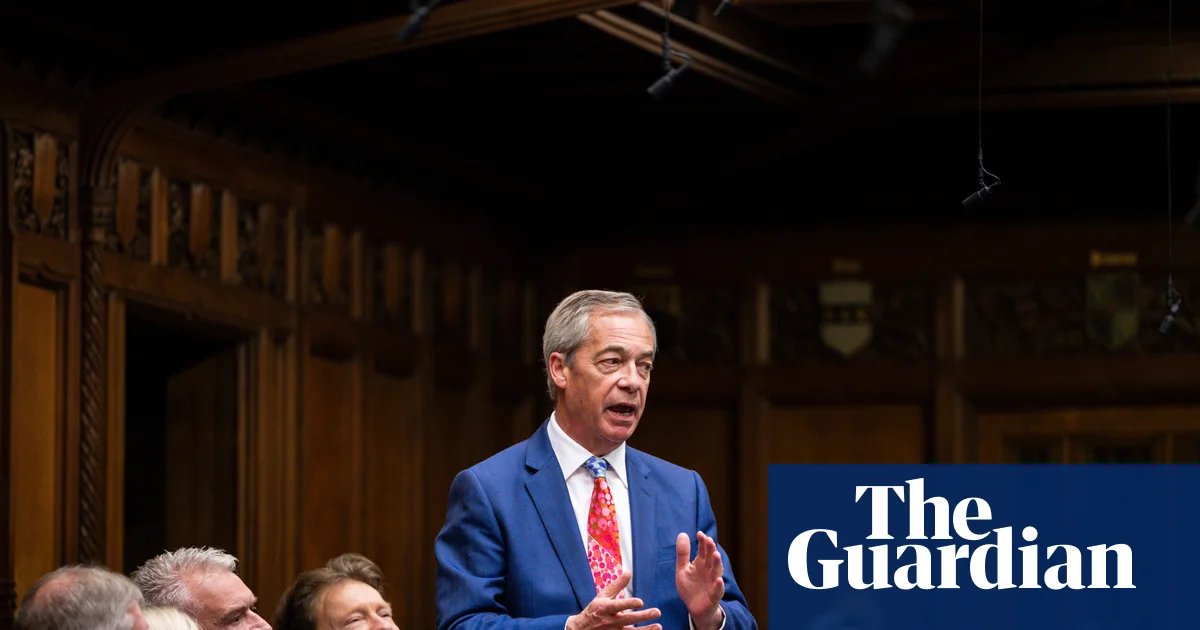
Reform UK are no doubt the biggest losers from the government’s emergency measures to overhaul political donations.
Labour MPs are absolutely delighted that No 10 is at last bringing in changes that will hobble Reform’s ability to raise money from its Thailand-based mega-donor, Christopher Harborne, at the same time as making the electoral system fairer in the eyes of the public.
“It’s a win-win,” says one backbencher who has campaigned on the issue. “We stop [Reform] being able to raise so much money from people based abroad and highlight one of their biggest weaknesses – taking money from billionaires based offshore.”
Every new recommendation – from the ban on crypto donations to a cap on overseas donations – was carefully justified by the independent Philip Rycroft report as a step to reduce the risk of foreign interference in UK elections.
Steve Reed, the communities secretary, was also stern in his attitude to implementing the measures, saying: “In the light of the gravity of the issues raised in the report, I am not prepared to allow any window of opportunity in which malign actors based overseas can funnel dark money into our politics.”
But the truth is also that the move is a highly political one from a government that appears to have realised it could afford to be more muscular in bringing in changes that could adversely affect its opponents.
Fundraisers in political parties are traditionally nervous about any new rules that could limit their own ability to raise money. Former advisers in Labour’s No 10 are believed to have previously blocked efforts to put more restrictions on donations.
One ex-aide says there was always a nagging hope that a rich crypto bro may suddenly materialise with a huge donation to the Labour party, which is traditionally funded by trade unions and a smaller base of UK donors such as the Ecotricity founder Dale Vince, the supermarket tycoon David Sainsbury and the former Autoglass boss Gary Lubner.
However, those reservations appear to have been set aside, with minds sharpened after the £12m of donations to Reform from Harborne, as well as the conviction of the former Reform politician Nathan Gill for taking bribes from a Russia-linked associate.
Although the new restrictions are a blow to Reform, the party has not deluged social media with outraged clips against the move – showing an awareness that drawing attention to the issue will not necessarily generate much sympathy.
Nigel Farage himself has been quiet on the fundamental overhaul that will affect not just future donations from Harborne but also the party’s website, which solicits donations in cryptocurrency.
The Reform MPs were not in their seats for the debate on stopping the flow of foreign money into UK politics having staged a theatrical walkout during prime minister’s questions after asking a question about illegal migration.
The main public comment so far has come from Richard Tice, the party’s deputy leader, who told GB News that it showed the government was “trying to stop the incredible progress of Reform, and cryptocurrencies are a perfectly legitimate way of investing, of earning within the law”. It was a sign they were “quite clear they’re absolutely petrified, terrified of the progress of Reform”, he added.
His assessment is not wrong. Many Labour figures are deeply concerned about the vast sums being given to Reform – as an issue of democratic fairness as well as politics. The question now is whether they might extend more restrictions to donations from UK sources.
So far, the measures recommended by Rycroft are limited to ones that will head off the risk of foreign interference. However, further changes – including a cap on individual donations and greater transparency requirements for small donations – have not been ruled out.
More moves to curb the arms race for mega-donations would surely work not just in the public interest but in Labour’s as well.