dailynewsnblog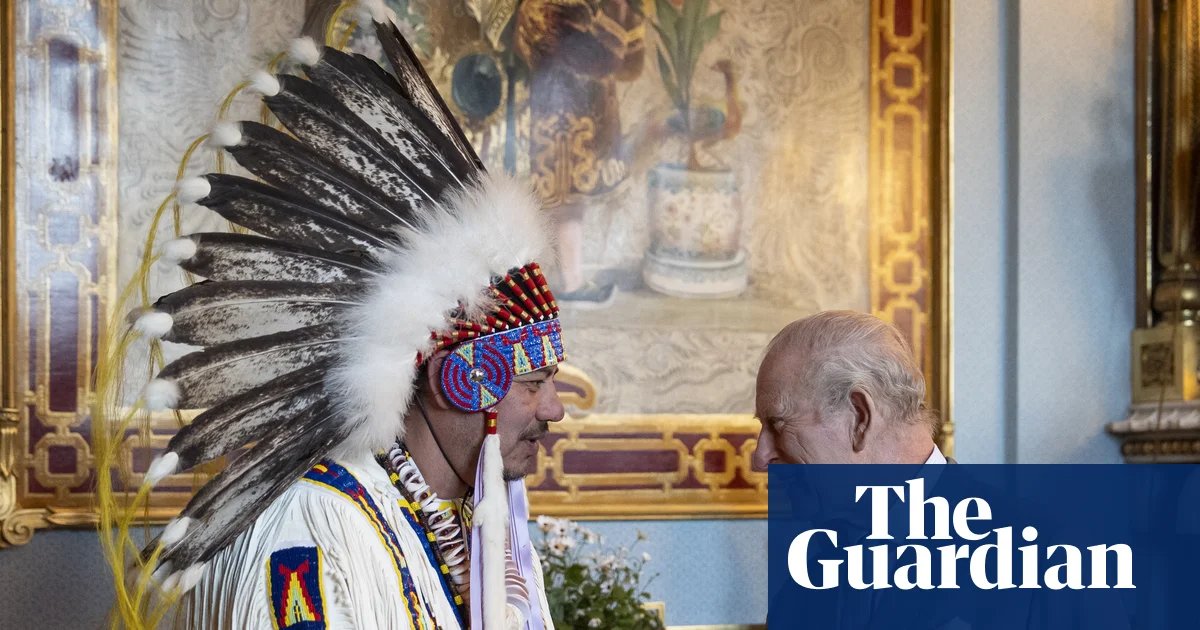
King Charles has expressed concern over a simmering separatist movement in western Canada, according to Indigenous leaders who met the head of state at Buckingham Palace.
Members of the Confederacy of Treaty Six First Nations travelled to London from their territories in the province of Alberta to raise the alarm over the secessionist movement, arguing that it ignores key agreements signed between First Nations and the crown nearly 150 years ago.
Joey Pete, Sunchild First Nation’s grand chief, said the delegation “made [Charles] aware of the separatism issue in Alberta and the threat to the Treaty it represents”, adding in a statement that the monarch appeared “concern[d] and committed to learning more”.
A minority of residents of the oil-rich province in western Canada have long argued that the province’s perceived woes are due to the structure of payments to the federal government and a perceived inability to get their vast fossil fuel reserves to market. Alberta often has the highest GDP per capita and highest median income in the country.
Organizers of the Alberta independence movement are now collecting signatures to trigger a referendum there, and have attempted to solicit the help of officials in Washington. The pro-independence campaign has been travelling across the province as organizers try to collect nearly 178,000 signatures over the next few months. The group has publicly said it wants a $500bn credit facility from the US treasury to help fund the creation of a new country if their referendum is successful.
Prominent Indigenous leaders in the province have warned no secession is possible without consultation with treaty holders, whose agreement predates the creation of Alberta as a province within Canada.
The relationship between Indigenous peoples and the British royal family is nuanced: Canadian history is rife with broken promises, dispossession and overt attempts to erase Indigenous cultures. But the connection is rooted in treaties signed in the 1700s, predating the existence of the country of Canada itself.
Treaty Six, which governs relations between First Nations and the crown in lands within the current province of Alberta, was signed in 1876. Alberta became a province in 1905.
Pete says he asked Charles to issue a royal proclamation “reaffirming our sacred treaty relationship and sovereign rights” following a meeting of “treaty partners and equals”.
Danielle Smith, Alberta’s premier who has rejected the idea of separation and said she “supports a strong and sovereign Alberta within a united Canada”, is facing mounting criticism that her government recently made it easier for residents to petition for a referendum.
Chief Desmond Bull, who also attended the meeting with the king, said leaders spoke “directly” to Charles about the “international implications of the threats our treaties” face as well as Canada’s ongoing failure to meet treaty obligations.
Bull, a member of the Louis Bull Tribe, said the king took the issue “very seriously”.
Both leaders formally invited Charles to attend the 150th commemoration of Treaty Six celebrations during August in Edmonton, saying the king’s attendance “would be a powerful symbol of the Crown’s commitment to the Treaty relationship”.
Mark Carney will meet Charles on Monday and told reporters ahead of the visit the chiefs had “quite a fulsome discussion” with the monarch.
“His Majesty, in all my experience, takes an intense interest in the rights of Indigenous peoples,” the prime minister said.