dailynewsnblog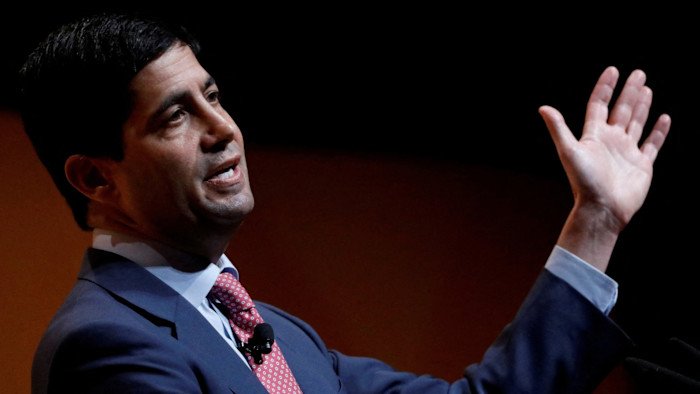
Unlock the Editor’s Digest for free
Roula Khalaf, Editor of the FT, selects her favourite stories in this weekly newsletter.
The past year has been something of an extended season of The Apprentice for central banking. Kevin Warsh, the initial odds-on favourite to become the new Federal Reserve chair, was spurned all season by the fickle boss, Donald Trump, only to be nominated in the last minute of the final episode. The president has loved his return to the show that brought him fame.
We have been here before, of course. In the contest to become Fed chair that played out in 2017, Warsh was also a contender, but credible accounts say that in his first term, Trump thought the then 47-year-old former Fed governor was too youthful and good looking to command respect. Eight years on, that has all changed.
Warsh is now a 55-year-old experienced former Fed governor who, like the US president, has been highly critical of the central bank in recent years. He is known for an independent streak and the choice demonstrated that there were potential candidates too obsequious even for Trump.
That has gone down reasonably well with financial markets. On Friday morning, the dollar recovered some of its recent lost ground against other currencies and the price of gold and silver plummeted, partly on the relief that the Fed will not be run by someone obviously soft on inflation. That is all to be welcomed.
The biggest change we are likely to see with Warsh chairing the Fed will be a switch away from the data-dependent approach to decision making that was a feature of Jay Powell’s tenure towards conviction-led economics.
Warsh has long believed that central banks became addicted to printing money, encouraging recklessly large public deficits. He thinks they should stick to their knitting on inflation and not get distracted by environmental concerns or the distribution of income. He is certain that inflation is as much driven by profligate governments as by rapid economic expansion. He also worries that mission creep by central banks erodes their ability to act independently in their core functions and ultimately undermines their credibility and legitimacy in a democracy.
These convictions, with much to recommend them, were never going to appeal sufficiently to Trump for Warsh to prevail. So, in recent months, his views have evolved from something reasonably orthodox and hawkish in economic circles to something more permissive.
Warsh is now certain the Fed should overwrite its forecast of modest growth and above target inflation with something much more bullish, reflecting a productivity miracle from artificial intelligence that will, he says, be “a significant disinflationary force”.
Interest rates should fall sharply, he wrote in the Wall Street Journal last year, giving relief to main street. This was a prerequisite for the job in Trump’s mind, but with Warsh it came with a sting in the tail. Reductions in the benchmark Fed funds rate should be offset by tighter money on Wall Street, Warsh argued.
This is a plausible trade-off, but the president is not remotely on board yet with the view that the private sector, rather than the Fed, should fund not only the current US budget deficit but a significant shrinking in what his nominee calls “the Fed’s bloated balance sheet”. That money would come at a price and Trump is demanding the Fed take action to lower the financing cost of his administration.
So there are real tensions and questions that accompany Trump’s pick of Warsh. If his nomination is confirmed by the Senate, will the new Fed chair be able to persuade the rest of the policy-setting Federal Open Market Committee to shrink the Fed’s balance sheet just weeks after they stopped quantitative tightening? If he does succeed, will this steepen the US yield curve, raising the price of long-term government borrowing while lowering short-term debt financing costs? Will the conviction of a productivity miracle survive contact with a messy real world for much longer? And how will the new Fed chair’s views change when the data is less than obliging as it will be on many occasions?
The answers to these questions will gradually emerge as Warsh settles into what is perhaps the most important job in global finance. We are never likely to find out just what Warsh had to promise to get the job. But we will soon learn whether a Warsh-led Fed retains the support of the president.
Trump has regularly fretted in public that he would be tricked into giving the Fed chair to the wrong person. “It’s amazing how people change once they have the job,” he told the throngs of the global elite at the World Economic Forum in Davos last week. The chances of a rupture are therefore high.
But let’s be optimistic, at least at first. Perhaps, by being an ally, Warsh can persuade the president he is wrong to believe the only good interest rates are low. And maybe he can explain to Trump why independent expertise in monetary policy helps the president meet his goals, even if the path is sometimes rocky. We should sometimes live in hope.
chris.giles@ft.com