dailynewsnblog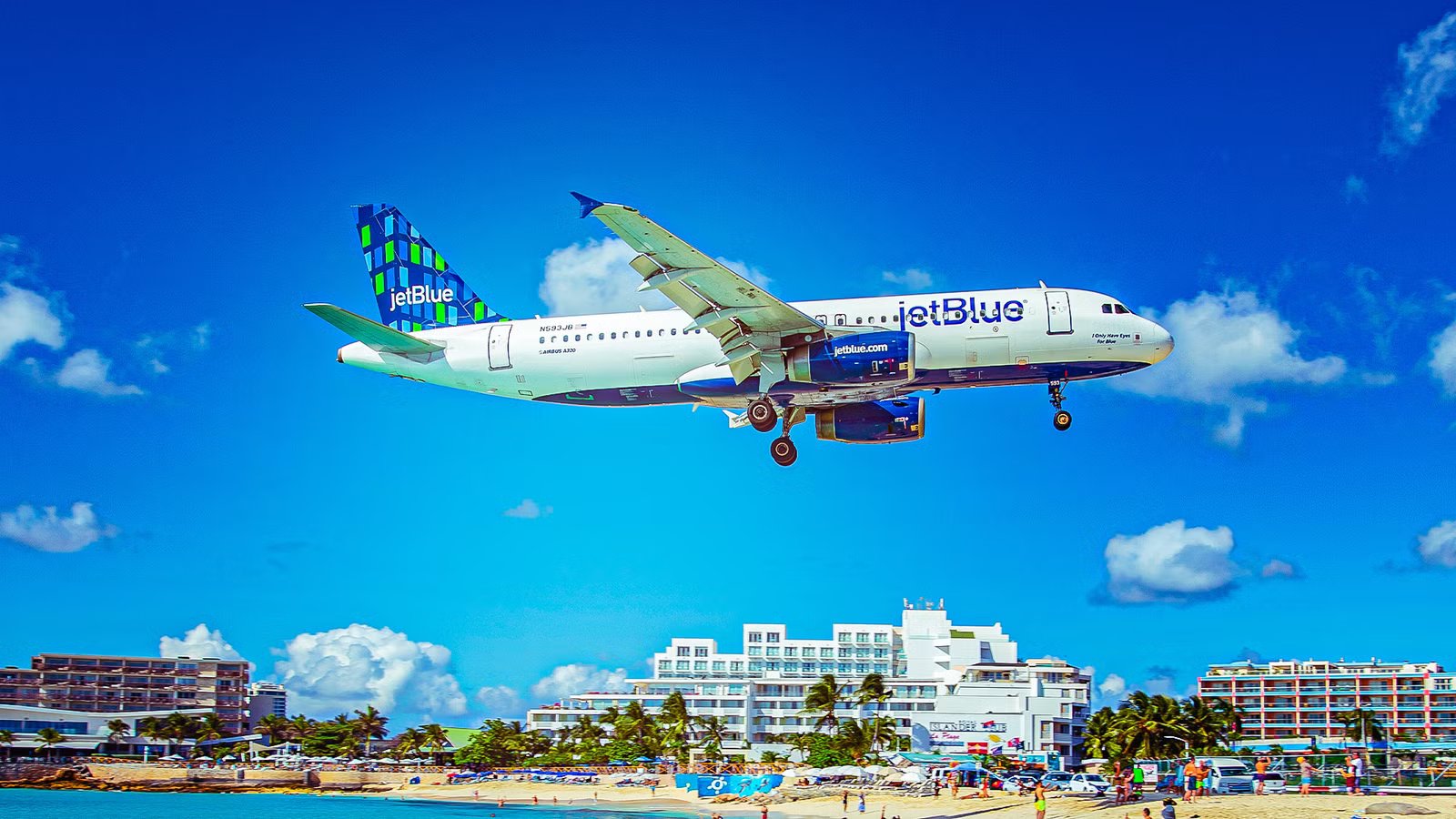
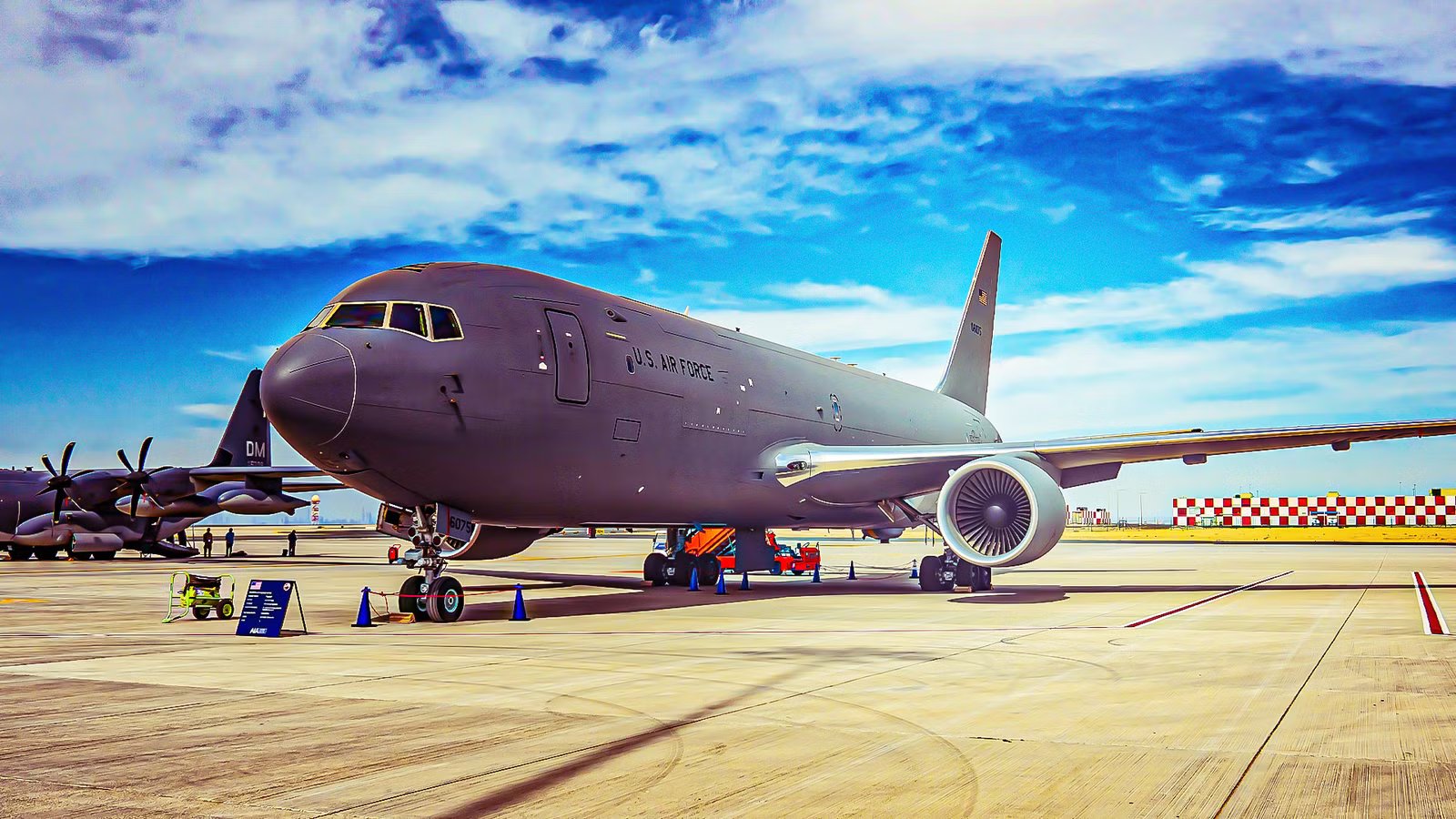
A JetBlue Airbus A320 was involved in a serious close-call with a US military refueling tanker flying with its transponder switched off over Curaçao. The JetBlue flight crew had to take defensive action to avoid a midair collision with the tanker, which reportedly came within a few miles of the passenger jet at a similar altitude.
The incident raises concerns about military aircraft operating in airspace frequented by commercial traffic, particularly while not being fully visible on radar. The FAA will likely launch an investigation into the incident, which could have been a lot worse under different circumstances.
JetBlue A320 Near-Miss With US Tanker

As first reported by NOS, the JetBlue A320 came within just a few miles of separation with the US refueler, which was apparently operating off the radar amid heightened US activity around Venezuela in recent weeks. JetBlue Flight 1112 took off from Willemstad (CUR) at 4:38 PM local time on Friday afternoon enroute to  New York JFK Airport (JFK), with the flight operated by one of the carrier’s Airbus A320-200 aircraft, which seats up to 150 passengers.
Approximately 25 minutes after departure and while climbing above the Caribbean Sea, the pilots abruptly spotted the large military aircraft crossing their flight path at “maybe two, three miles” away and at the same altitude. Noting that the tanker was heading northeast into Venezuelan airspace, the flight crew told air traffic control (ATC) that the aircraft had not shown up on their screens.
As per ATC recordings, the pilot identified the aircraft as an “air-to-air refueler” from the US Air Force, telling Curaçao control,
“They passed directly in our flight path. We had to stop our climb. They don’t have their transponder turned on. It’s outrageous.”
ATC Confirms Tanker Was Not Visible On Radar

To maintain a safe level of separation, the JetBlue aircraft halted its climb and leveled its altitude before eventually climbing again to cruising altitude. During communications between the aircraft and ATC, Curaçao’s control center confirmed that the military tanker was not visible on their screens either.
With its transponder not switched on, the aircraft would also not have been visible to JetBlue’s Traffic Collision Avoidance System (TCAS), which relies on transponder signals from nearby aircraft to warn of potential collisions. While this near-miss occurred during daylight hours, the situation could have been a lot worse if it happened at night during minimal visibility.
|
Date |
December 12, 2025 |
|
Airline |
JetBlue Airways |
|
Flight Code |
B6 1112 |
|
Aircraft |
Airbus A320-200 |
|
Departure |
Willemstad (CUR) |
|
Arrival |
New York JFK (JFK) |
|
Fate |
Landed safely in New York |
JetBlue is expected to report the incident to the Federal Aviation Administration (FAA), which is likely to launch a formal investigation into the near-miss given the severity of the safety breach. Simple Flying has reached out to JetBlue for comment and will update this story accordingly.

Flights Avoid Venezuela Airspace After Trump Orders Strict Closure
Airlines reroute and suspend service as Trump declares Venezuelan airspace closed, deepening regional tensions and disrupting global flight routes.
Airspace Threat Remains

The FAA has warned airlines of the potential risks of operating in airspace in and around Venezuela, which has seen heightened US military activity in recent weeks. Curacao’s aviation regulator has also previously issued warnings about unidentified aircraft operating in the region, advising airlines of the danger posed by planes hidden or not identifiable by radar.
The US has recently been ramping up military operations in Venezuelan airspace, including shows of force and a series of counter-narcotics missions. This has led to a sudden uptick in military aircraft activity, with US refuelers, surveillance, bombers and fighters sharing airspace with commercial aircraft.
Most commercial flights have been avoiding Venezuelan airspace for this reason, but a potential near-miss like Friday’s incident won’t come as a surprise. With military planes often needing to fly invisibly, the situation also becomes extremely difficult for air traffic controllers in the region, which are already dealing with congestion due to diversions from Venezuelan airspace.