dailynewsnblog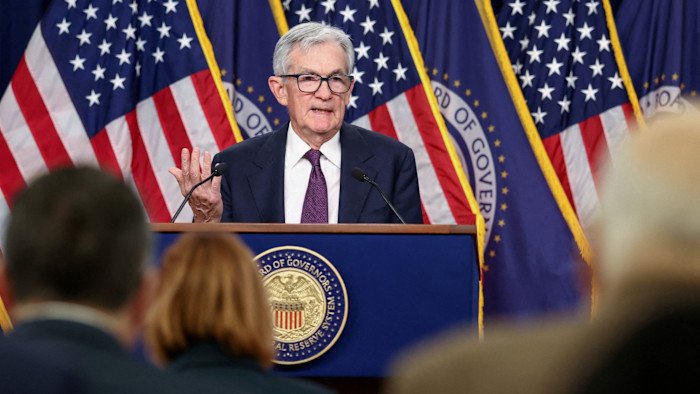
This is an on-site version of the White House Watch newsletter. You can read the previous edition here. Sign up for free here to get it on Tuesdays and Thursdays. Email us at whitehousewatch@ft.com
Good morning and welcome to White House Watch. In today’s edition, we’ll be digging into:
-
Federal Reserve holds interest rates steady
-
America’s top spy struggles to avoid contradicting Trump
-
Why talk of nuclear proliferation is no longer as taboo as it once was
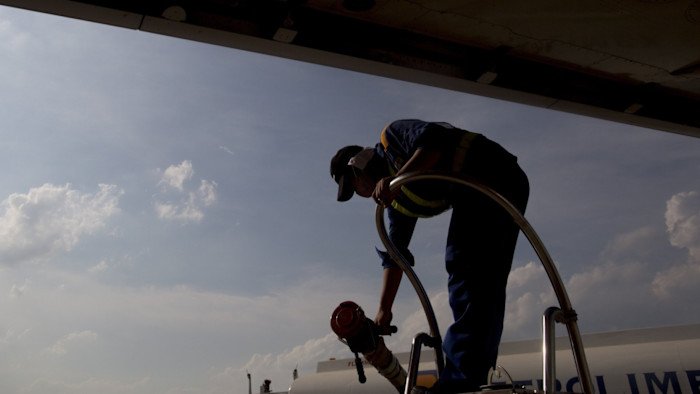
Federal Reserve chair Jay Powell warned on Wednesday that the war in Iran was likely to drive up inflation, as oil prices surged above $110 a barrel following attacks on Gulf energy infrastructure.
“Higher energy prices will push up overall inflation, but it is too soon to know the scope and duration of the potential effects on the economy,” Powell said.
The Fed held rates at 3.5 to 3.75 per cent at its March meeting as it seeks to balance the potential economic fallout of the war in the Middle East with sluggish job growth.
In fresh economic projections, Fed officials signalled that they expected to make one quarter-point cut before the close of 2026 — in line with its previous quarterly projections in December.
Twelve of the 19 members of the FOMC predicted at least one cut, against seven who said borrowing costs would end the year where they are now.
Powell underscored the high degree of uncertainty caused by the Iran war.
“The thing I really want to emphasise is that nobody knows,” he said. “The economic effects could be bigger, they could be smaller.”

Fed governor Stephen Miran, an ally of Donald Trump, was the sole dissenter from the decision to hold borrowing costs for the second meeting in a row. Miran backed a quarter-point cut.
US stocks slid following the announcement, with the benchmark S&P index closing down 1.4 per cent.
Powell, who has been pressured by Trump to cut rates, said on Wednesday that he had no intention of stepping down from the central bank’s board while the Department of Justice investigation into him was ongoing.
The Fed chair has been the subject of a DoJ probe into the cost of renovations to the central bank’s Washington headquarters, which Powell claims is an attempt by Trump to rein in the central bank’s independence to set interest rates.
“On the question whether I will leave while the investigation is ongoing, I have no intention of leaving the board until the investigation is well and truly over with transparency and finality,” he said.
A judge last week quashed the DoJ’s attempts to subpoena Powell. Jeanine Pirro, US attorney for DC, is appealing against the ruling.
The latest headlines
What we’re hearing
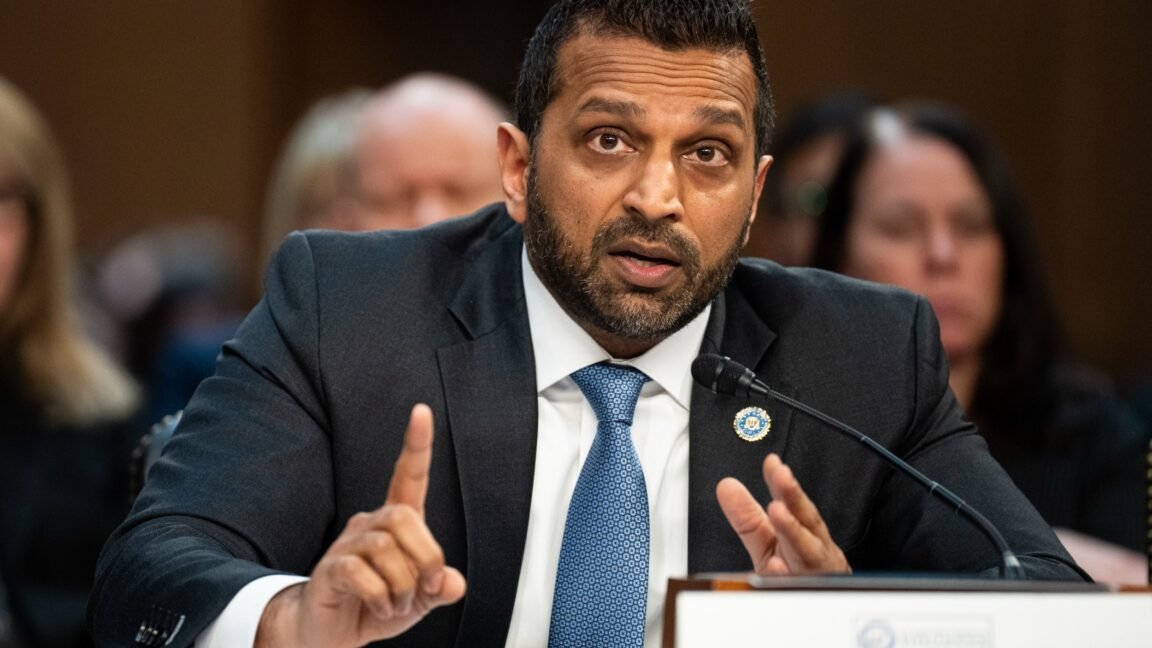
US spy chief Tulsi Gabbard offered conflicting assessments about the status of Iran’s nuclear programme — a key justification for Trump’s decision to go to war with Iran — in a Senate hearing on Wednesday.
In prepared opening remarks submitted to the committee ahead of her appearance at the annual worldwide threat assessment hearing, Gabbard said that Iran’s nuclear programme had been “obliterated” by US and Israeli strikes against the country’s nuclear sites last June.
“There has been no efforts since then to try to rebuild their enrichment capability,” she wrote in her opening statement.
But Gabbard omitted those lines when she read her remarks to the Senate panel on Wednesday morning.
Instead, she said that US intelligence believed that Iran had been “trying to recover” from the “severe damage” to its nuclear infrastructure before the renewed US-Israel strikes against the country.

US officials have made contradictory statements about the status of Iran’s nuclear programme over the course of the past year. At the same hearing last year, Gabbard testified that US intelligence officials believed that Iran was “not building a nuclear weapon”.
Hours after US strikes on Iranian nuclear sites last summer, Trump also declared the country’s enrichment facilities to be “completely and totally obliterated” and lambasted news outlets that reported otherwise.
Fast forward several months to February this year, the White House warned that Iran posed an “imminent nuclear threat”, while Trump’s special envoy Steve Witkoff warned that Tehran was “probably a week away from having industrial-grade bomb-making material”.
Are markets heading for a shock? The FT’s Katie Martin is answering reader questions on oil prices and private credit in the latest instalment of Ask an Expert, beginning now.
Viewpoints
Recommended newsletters for you
FT Alerts — Important breaking news plus exclusive FT scoops and investigations. Sign up here
US Top Stories — The latest US top stories, from markets to geopolitics. Sign up here