dailynewsnblog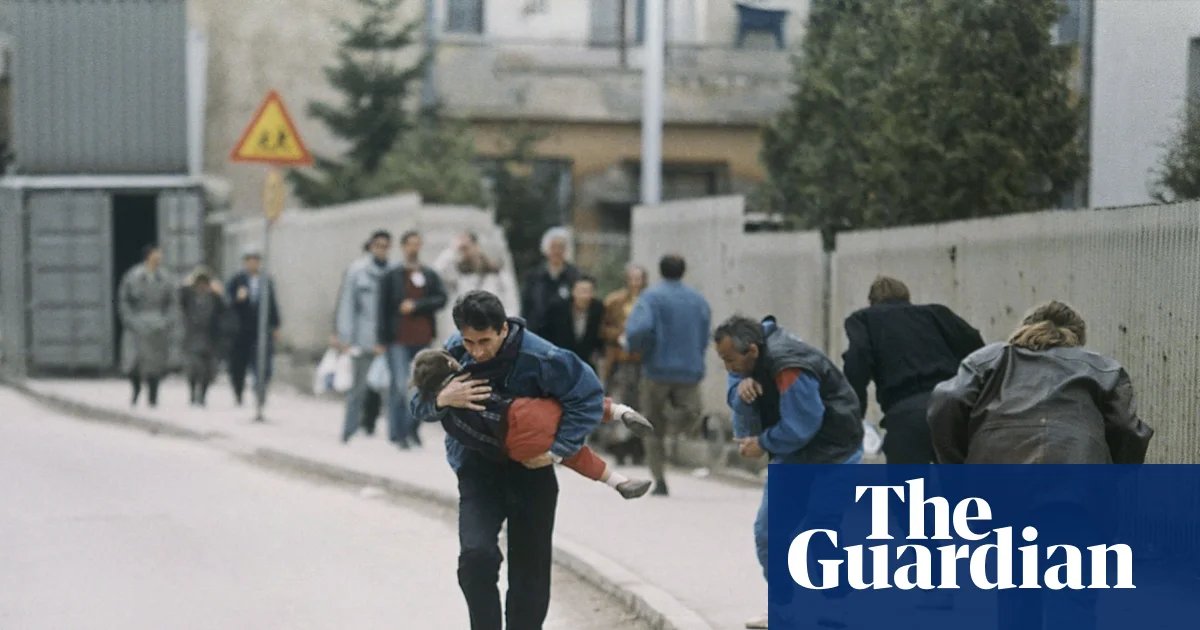
An elderly Italian man is under investigation as part of an investigation by prosecutors in Milan into individuals who allegedly paid members of the Bosnian Serb army for trips to Sarajevo so they could kill citizens during the four-year siege of the city in the 1990s.
The 80-year-old is being investigated on charges of aggravated murder, a source close to the situation told the Guardian. The man, a former truck driver from the northern Italian region of Veneto, is the first suspect to be placed under investigation since the investigation began in November.
According to reports in the Italian press, he is alleged to have bragged about “conducting a manhunt”.
More than 10,000 people were killed in Sarajevo by shelling and sniper fire between 1992 and 1996 in what was the longest siege in modern history, after Bosnia and Herzegovina declared independence from Yugoslavia.
The snipers were perhaps the most feared element of life under siege because they would pick off people on the streets, including children, at random. Sarajevo is in a basin surrounded by mountains, which made cutting it off and attacking it particularly easy.
Groups of Italians and people of other nationalities, so-called “sniper tourists”, are alleged to have participated in the massacre after paying large sums of money to soldiers belonging to the army of Radovan Karadžić, the former Bosnian Serb leader who in 2016 was found guilty of genocide and other crimes against humanity, to be transported to the hills surrounding Sarajevo so they could shoot at people for pleasure.
The investigation in Italy originated from a legal complaint submitted by Ezio Gavazzeni, a Milan-based writer who gathered evidence on the allegations, as well as a report sent to the prosecutors by the former mayor of Sarajevo Benjamina Karić.
Gavazzeni said he had first read reports about the alleged sniper tourists in the Italian press in the 1990s, but it was not until he watched Sarajevo Safari, a 2022 documentary by the Slovenian director Miran Zupanič, that he began to investigate further.
In the documentary, a former Serbian soldier and a contractor claimed that groups of westerners would shoot at the civilian population from the hills around Sarajevo. The claims have been vehemently denied by Serbian war veterans.
Speaking to the Guardian in November, Gavazzeni claimed the Italian suspects would meet in the northern city of Trieste and travel to Belgrade, from where the Bosnian Serb soldiers would accompany them to the hills of Sarajevo. “There was a traffic of war tourists who went to there to shoot people,” he said. “I call it an indifference towards evil.”
Probably the most high-profile deaths by sniper fire were Bošco Brkić and Admira Ismić, a couple documented in the film Romeo and Juliet in Sarajevo, who were killed by a sniper in 1993 while trying to cross a bridge. Their bodies remained in no man’s land between the Bosnian and Bosnian Serb positions for several days. Photographs were published widely and became symbolic of the randomness and inhumanity of the war.