dailynewsnblog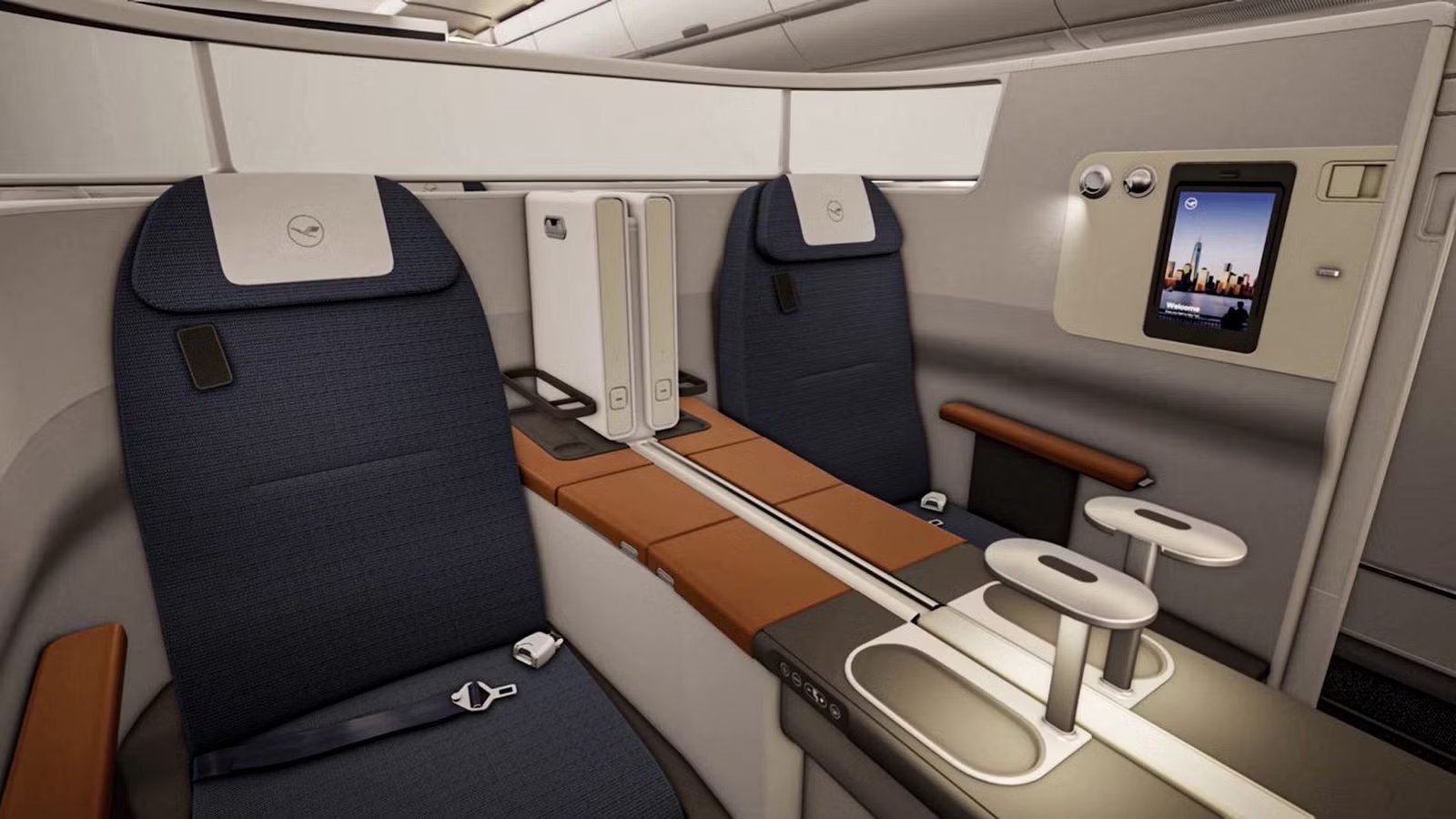
For many passengers, the idea of upgrading to business class and securing a wider seat, enhanced dining, lounge access, and priority services at the airport is highly appealing. One common belief among passengers is that waiting until check-in, either online or at the airport, will result in a more expensive upgrade. But is that assumption actually true?
As with many things, the reality is more nuanced, and upgrading to business class at check-in does not automatically cost more, but it sometimes can. Airline pricing is dynamic, meaning the cost of an upgrade depends on several variable factors, including demand, remaining inventory, passenger status, and even the original fare purchased. In some cases, last-minute upgrades are bargains, while in others, they are priced significantly higher than advance offers. Let’s take a closer look at how US airlines structure upgrade pricing and how costs can vary so dramatically.
Dynamic Pricing Drives Upgrade Costs

Airlines do not treat upgrades as fixed add-ons. Instead, they are managed through sophisticated revenue systems that constantly adjust prices based on supply and demand. By the time check-in opens, the airline has a clear sense of how full the aircraft will be and how many business class seats remain unsold.
If only a handful of premium seats are still available, the airline may price upgrades aggressively. This is especially common on high-demand routes such as New York John F. Kennedy International Airport (JFK) to  Los Angeles International Airport (LAX) or Chicago O’Hare International Airport (ORD) to San Francisco International Airport (SFO). On these routes, business cabins frequently sell well in advance, particularly on weekday flights catering to corporate travelers, and when availability is tight, check-in upgrade prices often reflect that scarcity.
For example, on a busy transcontinental flight operated by  Delta Air Lines, a passenger might see a $250 upgrade offer several days before departure. If those seats remain unsold, the airline may lower the offer as time passes. However, if demand surges and only one or two seats remain by check-in, the same upgrade could be displayed at $700 or more just a few hours later. The higher price is not tied specifically to check-in timing, but rather to remaining inventory.
Dynamic pricing also means that two passengers on the same flight may see different offers depending on their fare class, booking channel, or loyalty status, as the system often calculates perceived willingness to pay and adjusts accordingly.

Why First Class Upgrades Have Become Increasingly Difficult
Airlines seem to be getting stingier when it comes to complimentary or discounted upgrades.
Loyalty Status Can Make A Difference

Frequent flyer programs, such as American Airlines’ AAdvantage or United Airlines’ MileagePlus, significantly influence how upgrades are distributed and priced. Airlines prioritize elite members for complimentary or discounted upgrades, which are often processed before general passengers have the opportunity to purchase one at check-in.
For example, at Delta Air Lines, Medallion members are eligible for complimentary upgrades on many domestic routes. Higher-tier members, such as Diamond and Platinum Medallion, are often upgraded to first class days before departure, and so by the time check-in opens, fewer premium seats may remain available for sale, which can drive up the price shown to non-elite travelers.
Similarly,  American Airlines processes complimentary upgrades for AAdvantage elite members ahead of departure. Executive Platinum members frequently clear upgrades automatically if seats are available, and if multiple elite passengers are waitlisted, remaining seats may disappear before general customers even have the chance to inquire at the airport counter.
This structure can create the impression that upgrades at check-in are expensive, when in reality, availability may simply be limited because loyalty upgrades have already been processed. Non-status passengers are effectively shopping from what remains, often at higher dynamic rates.
Pre-Check-In Upgrade vs Airport Pricing

Channing Reid | Simple Flying
Many US airlines now proactively market upgrade offers before check-in even begins, with passengers receiving emails or app notifications inviting them to upgrade for a fixed price. These offers often appear several days or even weeks before departure and are designed to generate incremental revenue while premium inventory is still relatively abundant.
Delta Air Lines frequently displays upgrade offers within its mobile app, sometimes immediately after ticket purchase, while the likes of  United Airlines and American Airlines similarly show upgrade pricing when passengers log on to manage their booking. In some cases, these advance offers can be more affordable than prices displayed during check-in.
For instance, a passenger flying from  Dallas/Fort Worth International Airport (DFW) to
  Miami International Airport (MIA) on American Airlines might receive an upgrade offer for $180 three days before departure. If the offer is ignored and the business cabin fills up, the check-in price could rise to $350 or more. Conversely, if demand remains weak, the airline may actually reduce the offer closer to departure.
The key difference is timing and forecasting, as early upgrade offers are based on projected demand, while check-in pricing reflects actual booking levels. As departure approaches, airlines gain more certainty about load factors, which often results in firmer, and sometimes higher, pricing.

5 Reasons Why Filling Up First Class Is Not Always A Priority
Do you ever wonder why passengers aren’t automatically upgraded into empty first class seats?
What Role Do Fare Class & Ticket Restrictions Play?

American Airlines | Simple Flying
The type of economy class ticket purchased also plays a critical role in upgrade eligibility and pricing. Basic economy class fares, offered by all three major US legacy carriers, often restrict upgrade opportunities. Delta Air Lines’ Basic Economy product, for example, generally does not allow paid or complimentary upgrades until certain conditions are met. United Airlines’ Basic Economy tickets typically exclude access to Premier upgrades unless the passenger holds elite status and meets specific fare rules, and American Airlines imposes similar limitations.
Passengers who purchase more flexible economy class fares are more likely to see upgrade options during check-in, although the pricing shown may reflect the difference between the original fare and the prevailing business class value. Because basic economy class tickets are sold at low base prices, upgrading from them, if permitted at all, can appear disproportionately expensive.
By contrast, a passenger who initially purchased a higher fare class might see a smaller price gap to move into business class. In such cases, it is not necessarily check-in that increases the cost, but rather the structure of fare families and upgrade eligibility rules.
A Premium-Heavy Example

Let’s consider a flight between San Francisco International Airport (SFO) and either New York John F. Kennedy International Airport (JFK) or  Newark Liberty International Airport (EWR). These are premium-heavy routes served by multiple carriers, including United Airlines, Delta Air Lines, Alaska Airlines, JetBlue, and American Airlines. These flights frequently feature lie-flat seats in business class and attract significant corporate traffic.
A passenger who books an economy class ticket months in advance on United Airlines may initially see a business class fare difference of $600. Closer to departure, the  Star Alliance carrier might send an in-app offer to upgrade for $300. If the passenger declines and waits until check-in, the price could increase to $800 if only a few Polaris seats remain.
Meanwhile, on a competing Delta Air Lines flight on the same route, the  SkyTeam carrier may lower upgrade offers during off-peak travel periods if premium seats are not selling. In that scenario, a passenger checking in 24 hours before departure could see a surprisingly low offer, perhaps as low as $250, if Delta Air Lines is attempting to fill empty seats.
These contrasting scenarios demonstrate that upgrading at check-in itself is not inherently more expensive, but rather that the final upgrade price depends on booking curves, competitive dynamics, and anticipated last-minute demand.

What Are The Benefits Of Flying In American Airlines’ New Premium Economy?
The refreshed premium economy seats are more comfortable, aesthetically pleasing, and technologically advanced than older seats.
The Impact Of Market Demand

There is also a perception that speaking directly with an airport agent might yield a better deal than accepting an online upgrade offer. In practice, airline agents typically have limited discretion over upgrade pricing, and most offers displayed at the counter are generated by the same automated systems that power online check-in.
However, there are rare cases where last-minute operational needs can influence pricing. For example, if a flight is oversold in economy but has empty business class seats, gate agents may proactively solicit upgrades to free up economy inventory, and in such situations, prices may drop significantly in the final hour before departure.
For example, on a lightly booked midday flight operated by  Alaska Airlines, a gate agent might offer a discounted upgrade to alleviate a minor oversell in the main cabin. These situations are unpredictable and depend entirely on load management requirements. More commonly, airport pricing mirrors digital offers, and passengers who wait until arriving at the airport often find that upgrade prices are equal to or higher than those seen earlier online, particularly on busy routes.
The broader economic environment also influences upgrade costs, with strong corporate travel demand, holiday peaks, and major events all driving higher business class occupancy. During these periods, airlines are less inclined to discount premium seats at check-in.
Conversely, during slower travel seasons, such as late January or early September, business cabins may go out with empty seats, and airlines may then reduce upgrade prices to capture incremental revenue that would otherwise be lost. Meanwhile, on leisure-heavy routes, such as flights from Chicago O’Hare International Airport (ORD) to  Orlando International Airport (MCO), premium demand may be lower outside peak holiday windows, and in such cases, check-in upgrades can occasionally present good value.
Ultimately, the idea that upgrading at check-in always costs more is not universally accurate, as pricing reflects a real-time assessment of how much the airline believes it can sell each remaining seat for. Sometimes that figure is higher than earlier offers, and sometimes it is lower.