dailynewsnblog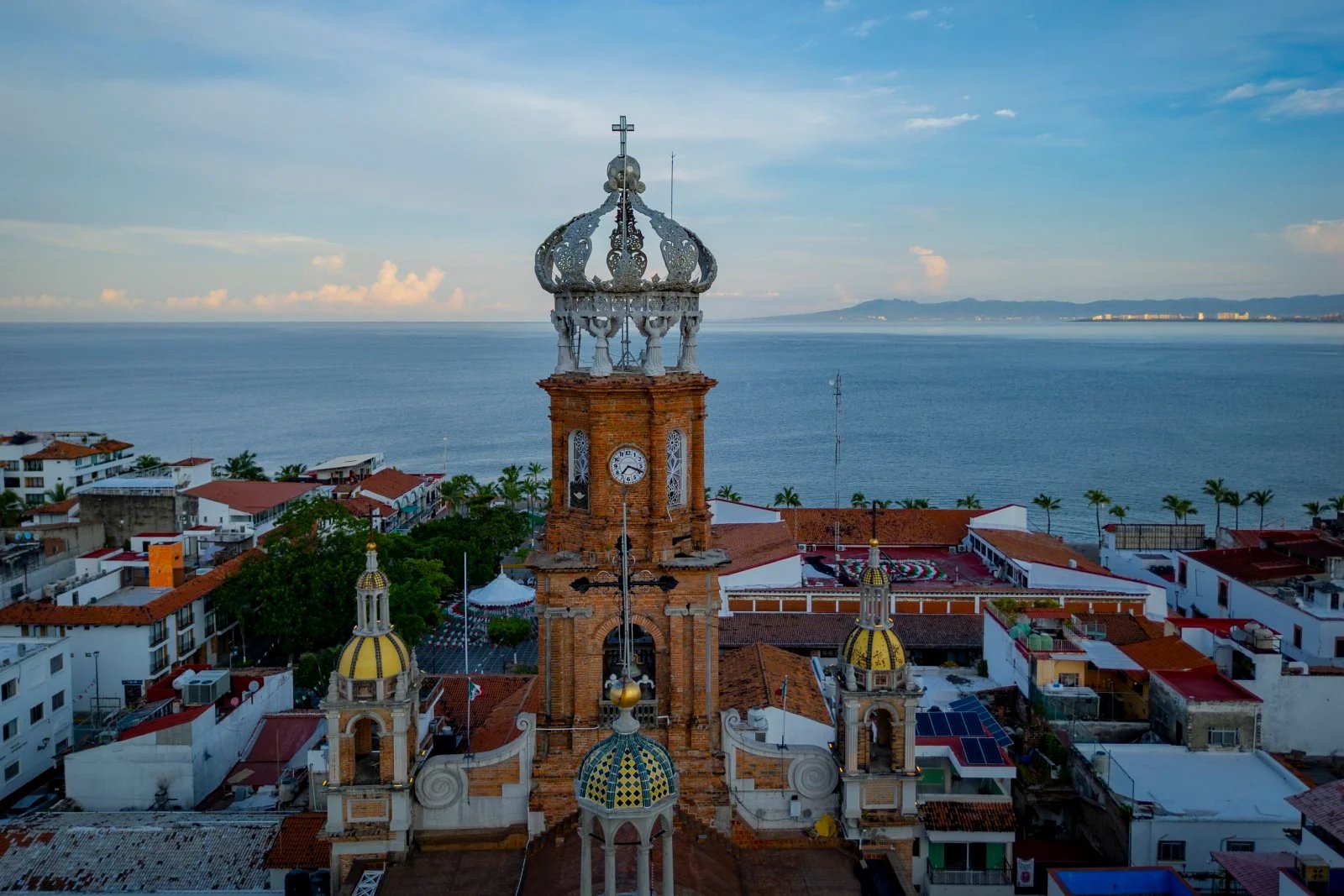
If you have plans to travel to Mexico, you may already be aware of the civil unrest that occurred this past weekend. On Sunday, Feb. 22, violence erupted following the death of Nemesio “El Mencho” Oseguera Cervantes, who led the Cartel Jalisco Nueva Generacion.
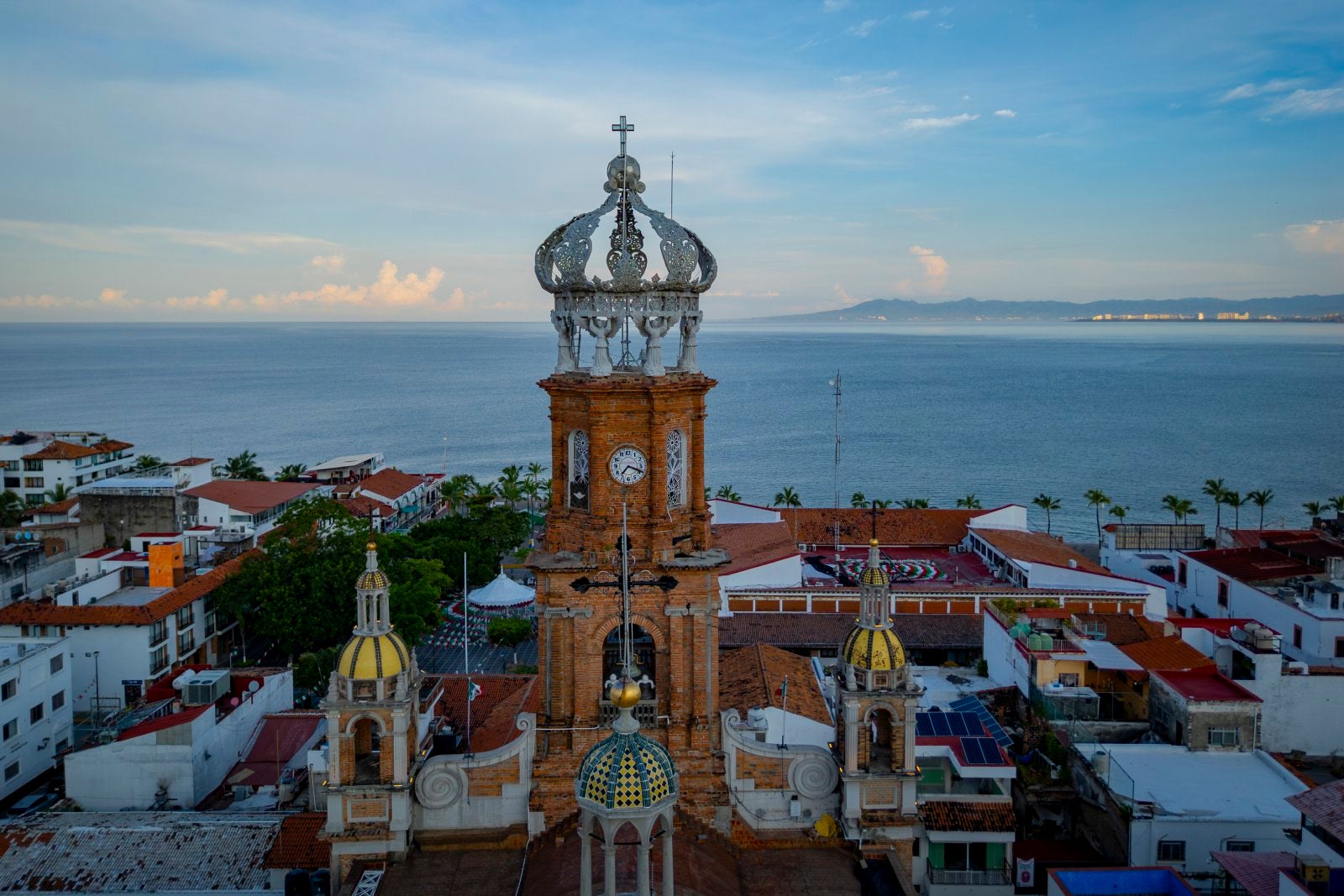
The popular tourist destinations of Puerto Vallarta and Guadalajara in the Jalisco region, where Cervantes was killed, were under a “shelter in place” order from the U.S. Department of State for U.S. citizens. Tremors of unrest were felt across the country.
Related: What travelers should do if they’re stranded in Mexico right now
As the week has progressed, the country has returned to a sense of order and calm. At press time, the U.S. State Department had lifted the shelter-in-place order. Airports are now open and flight schedules have returned to normal in Guadalajara and Puerto Vallarta.
However, Matthew Carvalho, regional security manager for the Americas for Healix International, a global health care and risk management support company, says, “New rounds of retaliatory attacks by CJNG members cannot be ruled out in the short term (one to two days) in the states of Jalisco, Michoacan and Nayarit. Furthermore, El Mencho’s death has the potential to lead to cartel fragmentation over the medium term (one to six months) due to infighting among rival factions.”
Consider delaying travel to Jalisco, Michoacan and Nayarit until the situation stabilizes, Carvalho advises. And at minimum, book flexible flights and hotel stays that allow for changes or cancellations so you can easily adjust plans if needed.
If you have a trip to Mexico coming up, here’s what you need to know.
Is it safe to travel to Mexico right now?
Mexico is composed of 32 states, and this week’s main areas of conflict were located regionally in one state, Jalisco, on Mexico’s western Pacific coast. But violent reactions to the news of Cervantes’ death were seen as far away as Cancun, on the Yucatan Peninsula on the Caribbean Sea, which understandably may have raised red flags if you’re planning to travel there soon.
The U.S. State Department travel advisory designates Mexico as “Level 2 — Exercise increased caution,” which has not changed in the wake of this week’s violence. However, there are additional warnings for other states that you should heed before continuing with travel plans.
Baja California (which is in the north and includes Tijuana) and Jalisco (including Puerto Vallarta and Guadalajara) are currently at a Level 3, indicating that U.S. citizens should “reconsider travel.” Although this designation was not upgraded this week, travelers should still exercise caution when traveling in these areas.
Wherever you’re headed in Mexico, the U.S. State Department recommends enrolling in the Smart Traveler Enrollment Program, or STEP. This free service for U.S. citizens and nationals allows you to enroll your trip abroad so the State Department can quickly and accurately contact you in case of an emergency at your travel location.
Related: How the State Department’s Smart Traveler Enrollment Program could help you on your next trip abroad
Is it safe to travel to Jalisco?
According to the Jalisco Ministry of Tourism, “Mobility in the Guadalajara Metropolitan Area and Puerto Vallarta is operating at 100%. Public transportation is functioning normally. Taxis and ride-share platforms are fully active.”
The Ministry of Tourism also added that restaurant and commercial activity are operating regularly in Guadalajara and Puerto Vallarta.
“Tourist zones themselves are not under attack,” says Carvalho. But, he adds, “the surrounding security volatility makes Jalisco the most affected major tourist region at present, and you should reconsider travel to the area for the present.”
What about Cancun, Mexico City and Oaxaca?
The state of Quintana Roo has not seen significant violence, aside from a few vehicle burnings, says Carvalho, adding that roughly 10,000 federal, state and municipal personnel were deployed there as a preventative measure — meaning travel to Cancun and Riviera Maya should not currently be affected.
Mexico City saw little to no direct disruption, says Carvalho, and there were no reports of significant violence or blockades in the capital.
TPG contributor Andrew Collins, a U.S. citizen based in Mexico City, is currently traveling on the coast in Oaxaca and Chiapas. He tells us that he hasn’t seen any signs of unrest and has felt secure at all times in these areas.
Related: Everything you need to know about State Department travel advisories
Are airports and airlines operating as usual again?
Earlier this week, there were significant delays and cancellations at both Guadalajara International Airport (GDL) and Puerto Vallarta’s Licenciado Gustavo Díaz Ordaz International Airport (PVR). At press time, operations have returned to normal, with international airlines resuming flights at both airports.
However, intermittent delays and cancellations continue. As a precaution before traveling to the airport, confirm both flight status and ground access conditions before departure.
If you have flights scheduled for this week to either of these airports, you can still change or cancel your flights. Here are the travel waivers we’re currently seeing; you should contact your airline immediately for the latest information and guidance:
- American Airlines: Travelers with tickets for PVR or GDL for flights between Feb. 22 and 26 can rebook with fees waived for travel through March 7.
- Southwest Airlines: Travelers with tickets for PVR for flights between Feb. 22 and 26 can rebook or travel standby with fees waived for travel within 14 days of their original departure date; refunds may also be available.
- United Airlines: Travelers with tickets for PVR or GDL for flights from Feb. 22 to March 31 can reschedule with waived change fees and fare differences for travel through March 31.
- Delta Air Lines: Travelers with tickets for PVR or GDL for flights between Feb. 22 and 26 can rebook with fees waived for travel through March 7.
- Alaska Airlines: Travelers with tickets for PVR, GDL or Manzanillo International Airport (ZLO) for flights from Feb. 22 to 28 will not be charged change or cancellation fees until March 7.
- Aeromexico: Travelers with tickets for PVR, GDL, ZLO or Tepic International Airport (TPQ) for flights between Feb. 22 and 26 can reschedule with waived fees for travel through March 7.
Are cruises affected?
Several major cruise lines have canceled or rerouted their Puerto Vallarta stops this week due to the ongoing unrest in Jalisco, although the Jalisco Ministry of Tourism has confirmed that “Maritime tourism activities have resumed.”
Caribbean ports such as Cozumel remain unaffected, and sailings there are operating normally.
Some lines have substituted other Pacific ports, with confirmed shifts to Cabo San Lucas and Mazatlan for select itineraries this week. “Whether to proceed depends on your comfort level, and if possible you may want to amend travel plans to embark at an alternate port,” advises Carvalho.
Are hotels operating as usual?
At press time, all hotels in Mexico are currently operating as usual. And resorts in Puerto Vallarta’s coastal areas are running at full speed, including the Marriott Puerto Vallarta Resort & Spa, which confirmed to TPG that “operations at the property are continuing with business running as usual.”
Check your travel insurance policy
If you bought travel insurance before your trip to Mexico, you may be covered if parts of your trip are delayed and/or canceled.
Coverage depends on the specific policy, when it was bought and how the event is classified. Most policies do not cover cancellation due to civil unrest alone. However, according to Suzanne Morrow, CEO of InsureMyTrip, “If you’re already traveling and flights are delayed or canceled, some plans may offer benefits like travel delay, trip interruption or, on select policies, political/security evacuation.”
It’s also important to note that once the violence was publicly announced, it became a foreseeable or “known” event. According to Chrissy Valdez, Squaremouth’s senior director of operations, this means that if you purchased a policy after the event became known, you would not be covered to cancel your trip under standard trip cancellation benefits. This is similar to hurricane coverage restrictions.
What you may be covered for
- A “cancel for any reason” policy allows you to cancel before you travel for partial reimbursement, usually 50% to 75%, regardless of outstanding circumstances. This type of coverage would cover Mexico-related travel interruptions.
- “Interruption for any reason” coverage is also an option if you feel unsafe after your trip has already begun. This benefit can reimburse a portion of your unused, prepaid trip costs.
- Trip delay coverage can pay for meals and accommodations if flights are disrupted.
- Travel medical and evacuation protections remain critical if a traveler becomes sick or injured while abroad.
Major credit card issuers also offer trip delay insurance if you booked your travel through them (i.e., flights, hotels, cruises), but policies vary widely when it comes to civil unrest or other travel interruptions, so reach out directly for further information.
Bottom line
Travel to Mexico isn’t universally off the table, as the government’s response has successfully stabilized the security environment and restored operations, says Carvalho.
However, you may want to reconsider travel to areas affected this week or, at a minimum, book flexible flights and hotel stays that allow changes or cancellations so you can adjust your plans if necessary.
Related reading: