dailynewsnblog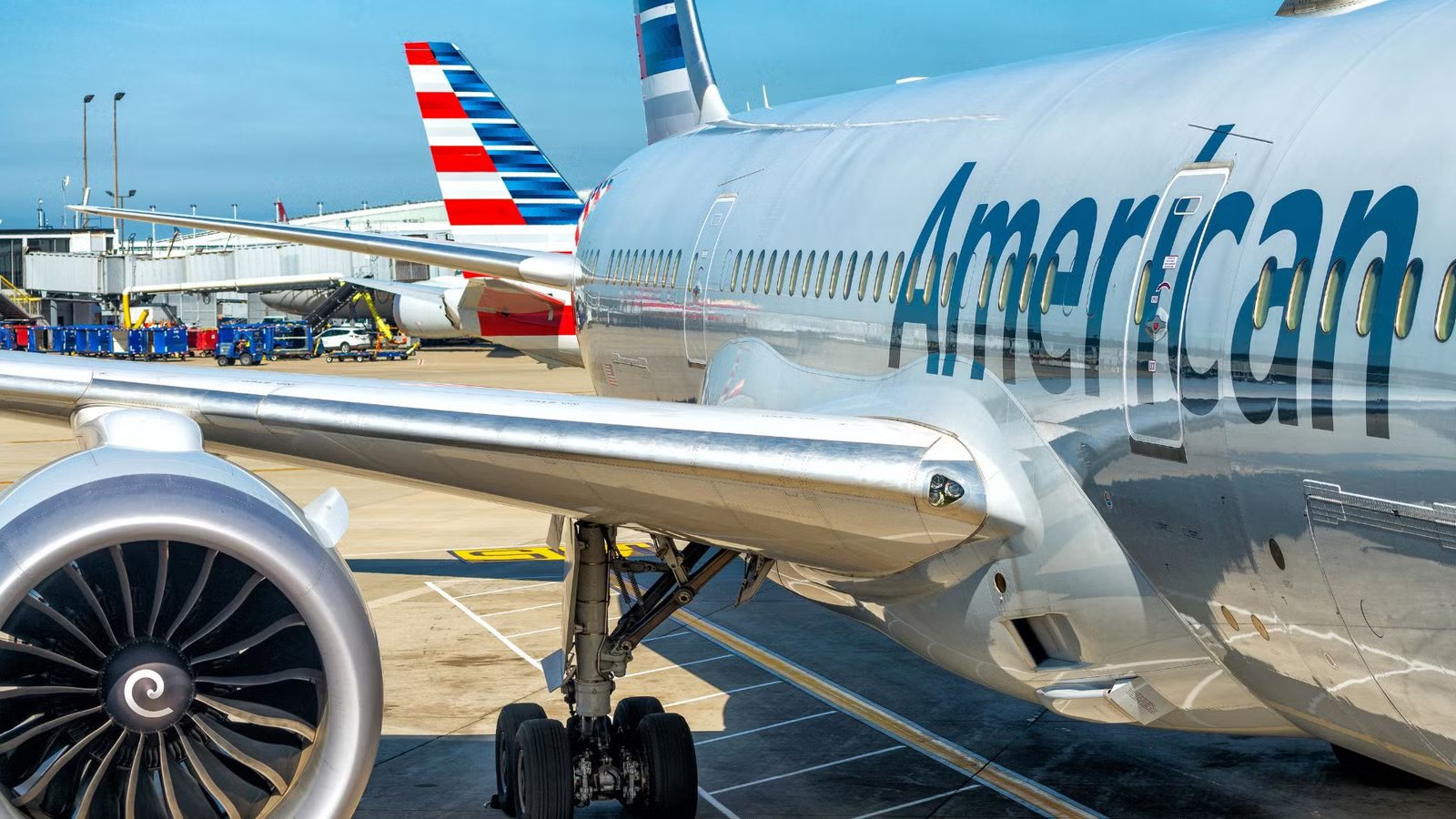
 American Airlines pilots are actively debating whether to pursue a vote of no confidence in the company’s senior management as frustration grows across the workforce. The discussions are taking place during a four-day Allied Pilots Association (APA) board meeting in Dallas this week. At the center of the debate is whether the airline’s leadership has effectively managed recent operational disruptions and delivered competitive financial results. The issue has gained urgency following similar criticism from other employee groups.
American Airlines has struggled to keep pace with its largest competitors despite operating one of the world’s biggest airline networks. While peers such as Delta Air Lines and United Airlines reported billions in annual profits, American posted comparatively modest earnings. Pilots argue that these results point to systemic leadership shortcomings rather than short-term challenges. The potential vote signals rising labor dissatisfaction at a pivotal moment for the airline.
American Airlines Pilots Debate No-Confidence Vote In Leadership

APA leaders are reviewing pilot feedback following major winter weather disruptions that severely impacted American’s operations at  Charlotte Douglas International Airport and
  Dallas/Fort Worth International Airport. The airline canceled hundreds of flights over multiple days, leaving aircraft, crews, and passengers out of position. Pilots say the response exposed weaknesses in planning, recovery coordination, and crew support during irregular operations. These operational failures have become a central focus of the no-confidence discussions.
Financial performance has further fueled pilot concerns. American reported a full-year net profit of approximately $111 million, a fraction of what major rivals earned over the same period. By comparison, Delta Air Lines reported profits exceeding $4 billion and announced pilot profit-sharing payouts totaling several hundred million dollars. Pilots argue that American’s results limit compensation upside and highlight the airline’s declining competitiveness. APA President Nick Silva wrote in a message to American Airlines pilots:
“The airline’s lack of profit creates a significant disparity in take-home pay while delivering substantial cost savings to management. By comparison, Delta will pay more than $500 million in profit sharing to their pilots this year — more than American’s full-year earnings. Even into 2026, the gap will remain, with Delta projecting earnings three times greater than ours.”
Operational Disruptions And Weak Financial Performance Fuel Pilot Frustration

A vote of no confidence would not legally force executive changes but would represent a significant symbolic rebuke of American’s leadership team. Such votes are rare among large US carriers and typically reflect deep internal dissatisfaction. If approved, the motion would place additional pressure on American’s board to reassess management strategy and performance.
Labor unrest at American has been building across multiple workgroups. Just days earlier, the airline’s flight attendants’ union publicly criticized management over operational reliability and morale issues. Together, these actions suggest broader workforce skepticism about leadership effectiveness amid ongoing operational and financial headwinds.
Pilots have also expressed concern that American’s scale is not translating into operational or financial advantages. Despite flying more passengers than any other US airline, American continues to lag in margins, on-time performance rankings, and employee profit participation. Union leaders argue that better execution, not fleet size, is the missing factor.

American Airlines Lays Off Management Employees After Suffering $114 Million Q3 Net Loss
Record evenue wasn’t enough to keep AA in the black.
What A No-Confidence Vote Could Mean For American Airlines’ Future

American Airlines leadership has defended its strategy, emphasizing investments made in 2025 to stabilize operations and improve long-term results. Executives have pointed to booking trends and network adjustments as signs of future improvement. However, pilots remain unconvinced, citing repeated setbacks and missed financial targets.
Historically, no-confidence votes within airline unions often precede heightened negotiations, public scrutiny, or board-level discussions rather than immediate leadership turnover. Even so, such actions can influence investor confidence and internal governance. Analysts note that sustained labor dissatisfaction can ultimately affect operational performance and brand perception.
As the APA board meeting continues, no final decision has yet been announced. Whether or not Pilots formally proceed with a vote, the discussions highlight mounting pressure on American Airlines to demonstrate stronger leadership, improved execution, and a clearer path toward matching the performance of its competitors.