dailynewsnblog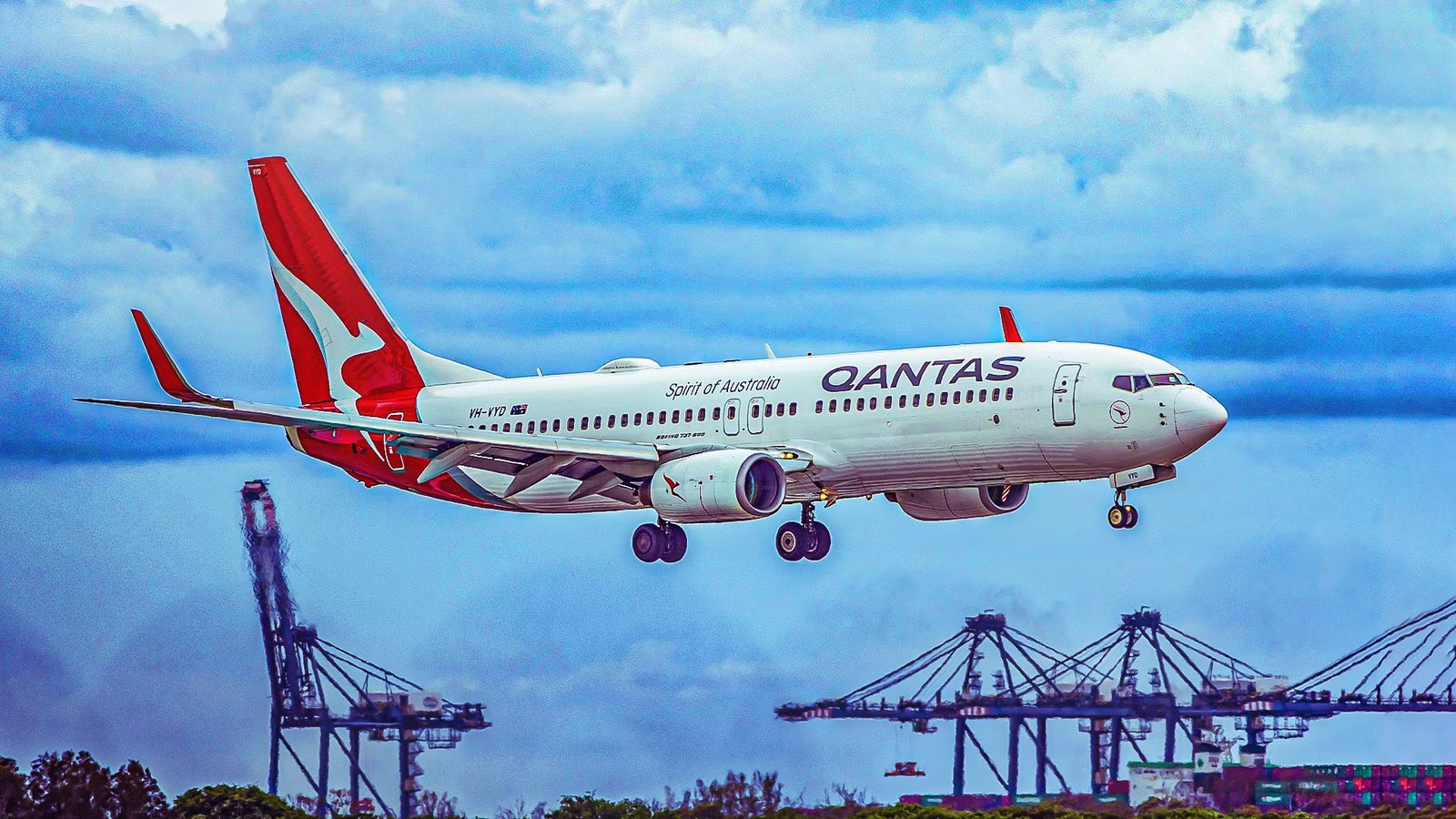
Australian carrier Qantas has agreed to pay out $74 million in a settlement over improperly handling passenger refunds for flights canceled during the pandemic. This is the result of a class action lawsuit on behalf of passengers affected due to flights canceled by Qantas between 2020 and 2022.
Apart from Qantas, its subsidiary Jetstar Airways is also facing a similar class action lawsuit due to the airline issuing travel credits for canceled flights, which were allegedly lower than the value of refunds passengers should have received.
Qantas COVID Refund Payout Details

Qantas Airways has come to an agreement to settle a class action lawsuit launched by passengers who were affected by the airline canceling its flights between 2020 and 2022. As per a report by the BBC, the airline will be paying out $74 million to the passengers affected by flight cancellations during this period, because Qantas issued travel credits rather than cash refunds. According to Echo Law, the firm leading the lawsuit, Qantas was in violation of its contract with the passengers.
During the period in question, Qantas issued travel credits instead of cash refunds, a move said to be in violation of Australian laws on airline customer rights. As per another article published by Choice in 2022, it is reported that the Australian Competition and Consumer Commission (ACCC) received hundreds of complaints from passengers claiming that the airline had failed to inform them of their right to a cash refund, instead offering travel credits.
While the airline had reportedly informed its investors that the payout for this suit is expected to be around $38.4 million, the actual settlement the airline has agreed to pay out is almost twice the expected value at $74 million, and “with no admission of liability.” This is, however, still subject to court approval, and only then will the customers be informed of the claiming procedure to receive their share of the refund.
Will Jetstar Also Have To Pay Out?

The aforementioned law firm, Echo Law, is also in charge of leading another class action lawsuit against budget carrier Jetstar Airways. It is worth noting that, though Jetstar is a different brand and operates under a low-cost / budget business model, the airline (Jetstar Australia) is a wholly-owned subsidiary of the Qantas Group.
As per the contract of carriage for different Australian airlines, in the case of Jetstar, if a flight is canceled by the airline due to reasons beyond their control and an alternate itinerary is not available, passengers are issued with travel credits. In the event the cancellation was due to reasons within the airline’s control, but a suitable itinerary is not available, passengers then have the right to receive a cash refund.
The lawsuit against Jetstar was launched, alleging that the travel credits offered to customers whose flights were canceled were reportedly worth less than the refunds the customers were entitled to. While there is no information available regarding the value of a potential settlement, it is reported that Jetstar is defending the case in court.

Jetstar Accused Of Misleading Customers In Australia And New Zealand
Qanats Group airline Jetstar is facing court cases in Australia and New Zealand for misleading customers.
Other Airline Class Action Suits And Fines

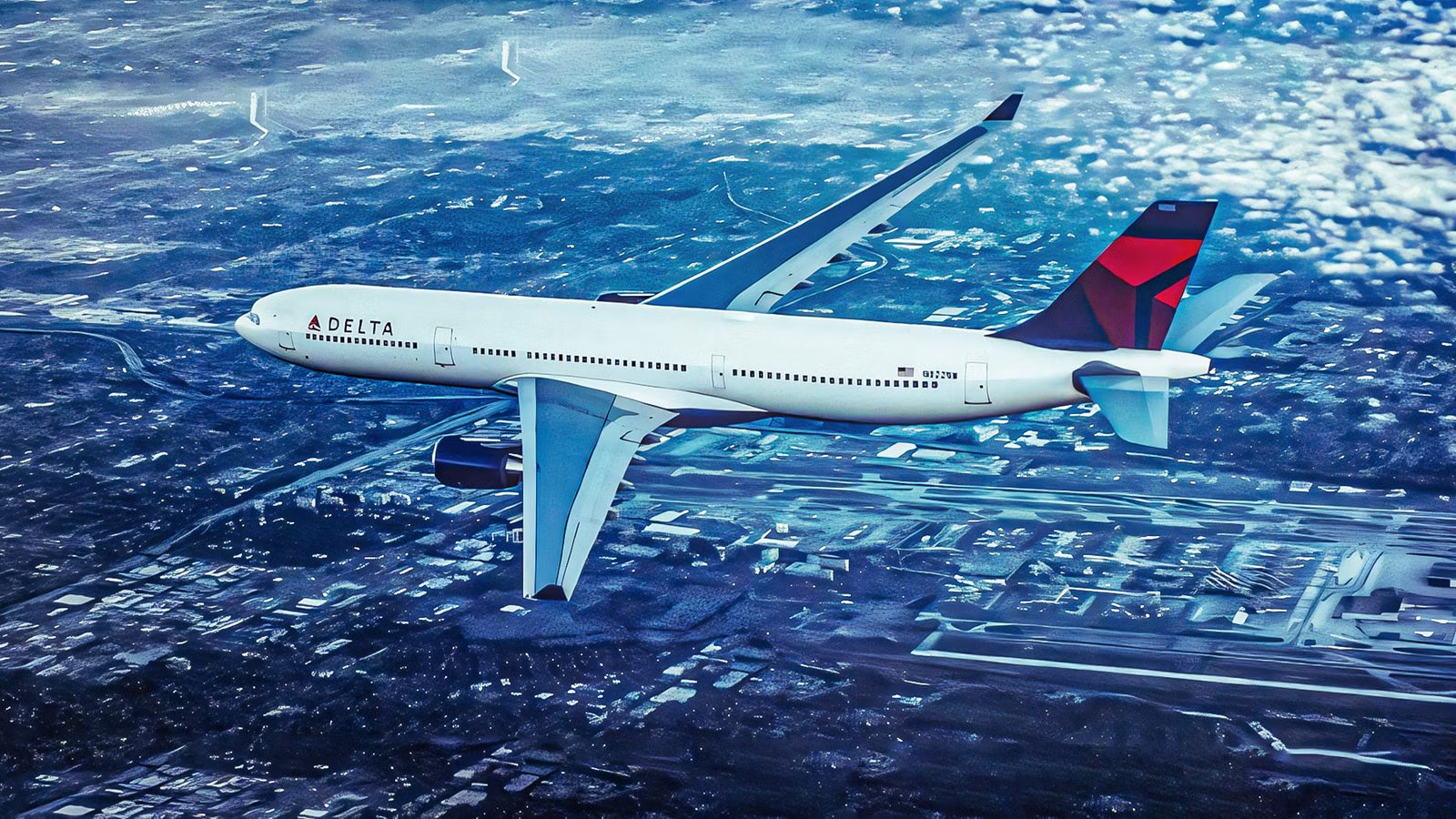
It was not just airlines in Australia failing to provide proper compensation to passengers, with multiple airlines worldwide slapped down with fines by regulatory authorities, or facing class-action lawsuits by passengers. A key example is US-based carrier,  Delta Air Lines. As per a 2023 report by the Barnes Law Group, Delta Air Lines faced a class-action lawsuit by its passengers for receiving travel credits for future flights instead of refunds. It is reported that, while Delta denies any violations of contract, the carrier did reach a $30 million settlement with the class.
As reported by Reuters, the United States Department of Transportation (US DOT) also imposed $2.5 million in civil penalties against several international carriers, such as  Lufthansa,
  Air France and KLM. The fine was issued to these airlines for the significant delays in processing over $900 million in passenger refunds due to disruptions and cancellations during the pandemic.
In the case of Lufthansa, the airline did eventually issue all refunds, but the carrier informed the DoT that the reason for such a delay was due to the high number of refund requests it was receiving during this period, stating it was receiving over two months of refund request workloads on a daily basis. Ultimately, it is reported that Lufthansa and KLM, in this instance, received $550,000 credits towards their fine by the DOT.