dailynewsnblog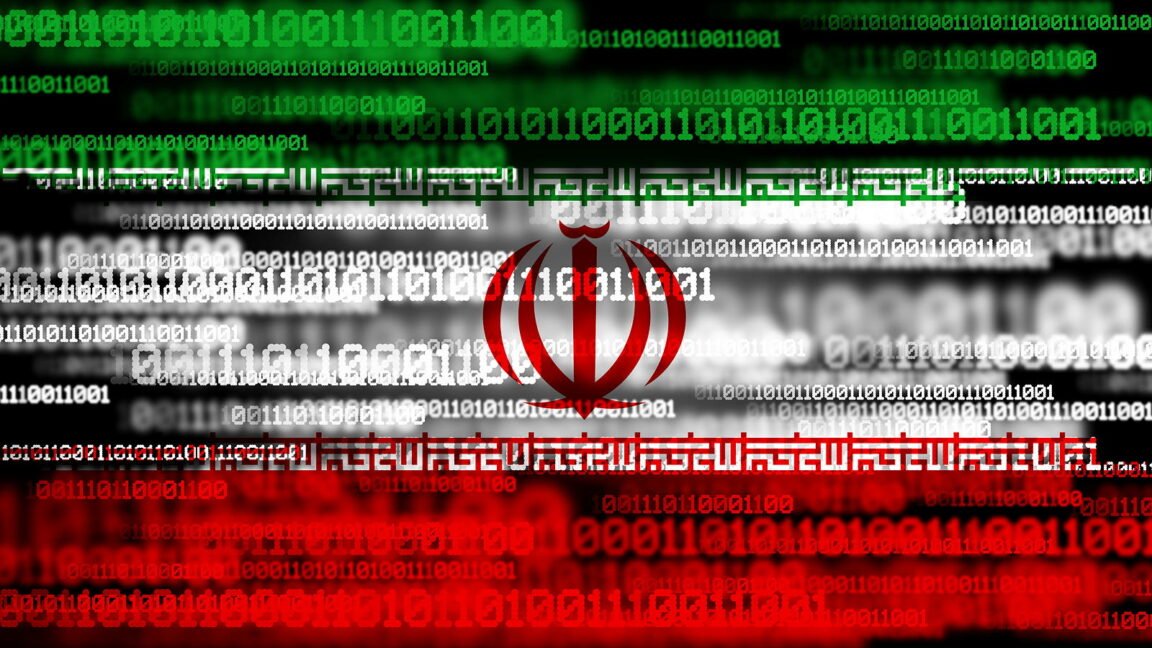
Israeli authorities say it has launched thousands of wiper attacks on Israeli companies, successfully hitting about 50. Its operatives’ hacking of security cameras across Israel and the Gulf has helped target drone and missile strikes, said Gil Messing, at Israeli cyber security company Check Point Software.
Tehran is also aligning its cyber capabilities with its regular war effort. Its hackers showed a “new level” of “scale, effect and sophistication” by coordinating strikes with the mass text messages sent to Israeli citizens, Messing said.
But for all the noise, some analysts are surprised that Tehran has not struck more decisive strategic targets. In the past, it has attacked American and Israeli critical infrastructure, including water treatment plants, but has not struck similar blows during the current conflict.
There are a handful of possible explanations: early Israeli strikes may have weakened Iran’s capabilities; Tehran might have hobbled its own hackers by throttling its Internet for domestic censorship; and it can just take time to design the complex malware needed for big attacks.
They may also have found their way undetected into sensitive economic or military targets, squatting inside to suck up information. “They could have long-term access that they are not ready to burn,” said Andy Piazza at cyber security firm Palo Alto Networks.
But if it can get its hackers firing, US defenses are uneven, some experts say.
“If they’re given time and space to regroup, [Iran] could very well develop the capabilities to deliver something more decisive,” said Matthew Ferren at the Council on Foreign Relations.
In Israel, critical-structure cyber security is handled by the state, where in the US and Europe the private sector has to protect itself but can seek government help post-hack. And the US has structural weaknesses caused by the early Internet’s decentralised adoption and the sheer size of the country and its dispersed infrastructure.
US defensive capabilities recently began further atrophying owing to the Trump administration’s clashes with CISA, the agency tasked with protecting critical infrastructure, analysts said. CISA has not had a permanent director since January 2025 and is operating at around a third of its normal staffing.
“I am concerned,” said Emily Harding of the Center for Strategic and International Studies. “The cat is out of the bag at how weak we are defensively.”
© 2026 The Financial Times Ltd. All rights reserved. Not to be redistributed, copied, or modified in any way.