Iran Keeps Up Gulf Strikes as War Approaches Three-Week Mark


Iran pressed ahead with attacks on Gulf Arab states even after Israel signaled it would stop targeting the Islamic Republic’s energy infrastructure, further unsettling oil and financial markets.

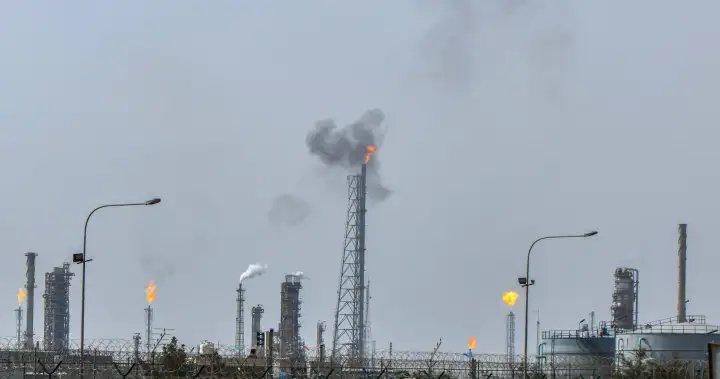
The United Arab Emirates and Saudi Arabia said they intercepted missiles and drones overnight and into Friday, while Bahrain reported a fire at a warehouse. Kuwait shut several units at its Al Ahmadi refinery after multiple strikes.

Most Read from Bloomberg

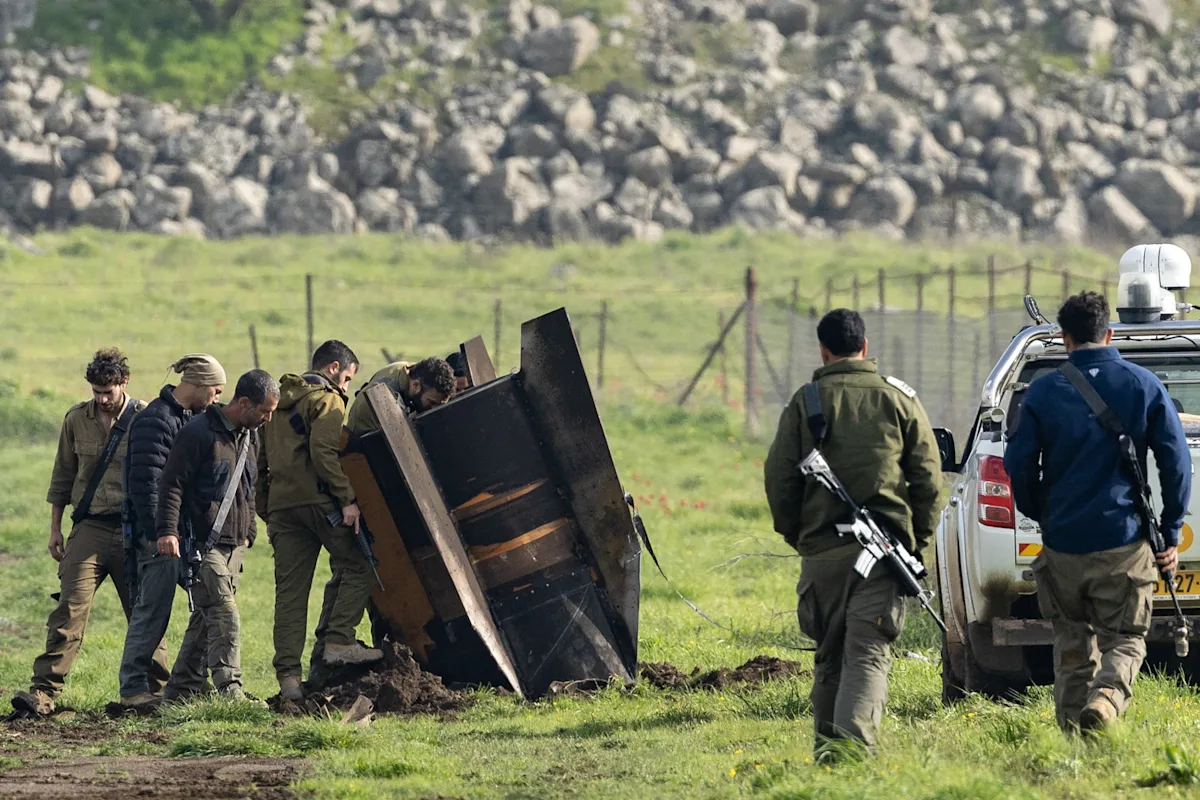
Israel said it struck infrastructure across Iran, including in the capital Tehran, with hostilities showing no sign of easing.

The war, now three weeks long, has killed more than 4,200 people across the region and brought shipping through the Strait of Hormuz — a chokepoint for about a fifth of global oil and liquefied natural gas flows — to a near standstill. Iran’s attacks on critical energy sites have eased from a peak earlier this week, yet crude prices maintained their rise after closing on Thursday at the highest since mid-2022.

The US is considering an operation to take over Kharg Island, Iran’s major oil-export site, to pressure the Islamic Republic to reopen the Strait, Axios reported, adding that a decision hasn’t been made. The US struck military sites on Kharg last weekend, but stopped short of targeting oil infrastructure.

Trump has consistently said the US has no plans to send ground troops into Iranian territory, but hasn’t ruled it out.

The risk of lasting damage to energy supplies from the war is great, even if fighting ends imminently. Qatar has said almost a fifth of its LNG production has been knocked out for as long as five years, while QatarEnergy said the attacks would cost about $20 billion a year in lost revenue.

The fallout of the war is spreading globally, with fuel, shipping and household costs on the rise. Central banks in Europe have pivoted toward potential interest-rate hikes to combat an expected rise in inflation, reversing a cutting cycle.

Israel said it would no longer target energy infrastructure after an attack on Iran’s largest gas field on Wednesday sparked retaliatory strikes on similar assets and a rebuke from US President Donald Trump.

Israeli Prime Minister Benjamin Netanyahu on Thursday said his forces would aid US efforts to reopen the Strait of Hormuz and that the war would be over sooner than some anticipated — comments that helped calm markets on a day when energy prices had spiked once again.


For Washington, the costs of the Iran campaign it started alongside Israel on Feb. 28 are becoming clearer. Iran said its air defense “seriously damaged” a US F-35 stealth fighter, with US Central Command saying one of the warplanes made an emergency landing and the pilot was in stable condition.

The Pentagon has asked Congress for an additional $200 billion to pay for the war, a person familiar with the matter said. The enormous funding request suggested the US is girding for a protracted conflict, though Defense Secretary Pete Hegseth downplayed such concerns and said the US was “on plan” with its war goals.

The Trump administration moved ahead with $23 billion in weapons sales to the UAE, Kuwait and Jordan, aiming to bolster those countries’ defenses as they come under attack, according to a State Department spokesperson.

Iran’s average missile and drone launches were down about 81% as of Thursday from their March 1 peak, Bloomberg Intelligence analysis shows. Gulf states led by the UAE have borne the brunt of Iranian attacks.

Iran has curbed retaliatory strikes on regional energy sites in response to calls for de-escalation, Foreign Minister Abbas Araghchi said, while warning Tehran would show “ZERO restraint” if its oil and gas infrastructure is hit again.

Brent crude rose to about $109 a barrel heading into the weekend. Equity markets declined and gold was on track for its worst weekly drop since the onset of the pandemic.

Iran accounts for more than three quarters of the war’s fatalities. More than 1,000 people have been killed in Lebanon, where Israel is waging a parallel war against Iran-aligned Hezbollah militants. Dozens of others have been killed across the Middle East, while the US has lost 13 military personnel and at least 16 military planes and drones.

–With assistance from Shadab Nazmi.

(Updates with Kharg Island report in fifth paragraph.)

Most Read from Bloomberg Businessweek

©2026 Bloomberg L.P.


Source link

  • Related Posts

    Unilever looks to offload US$33 billion food business

    Still, Unilever is unlikely to let its remaining “highly attractive” food division go cheaply. The unit is still home to strong brands, including Hellmann’s mayonnaise, which has dominant market shares…

    Some restaurants in Boston charge $50 for a lobster roll

    IE 11 is not supported. For an optimal experience visit our site on another browser. Now Playing Some restaurants in Boston charge $50 for a lobster roll 00:14 UP NEXT…

    Leave a Reply

    Your email address will not be published. Required fields are marked *

    You Missed

    House of Lords has ‘signed its own death warrant’ by stalling assisted dying bill, says MP | Assisted dying

    House of Lords has ‘signed its own death warrant’ by stalling assisted dying bill, says MP | Assisted dying

    Why a Giannis trade might be even more complicated this summer

    Why a Giannis trade might be even more complicated this summer

    Iran threatens recreational, tourist sites worldwide as war rages on – National

    Iran threatens recreational, tourist sites worldwide as war rages on – National

    Crimson Desert’s bafflingly convoluted controls are already frustrating players: ‘That’s basic f*cking video game functionality’

    Crimson Desert’s bafflingly convoluted controls are already frustrating players: ‘That’s basic f*cking video game functionality’

    Unilever looks to offload US$33 billion food business

    U.S. Military Ramps Up Assaults on Iranian Drones and Vessels to Clear Strait of Hormuz