dailynewsnblog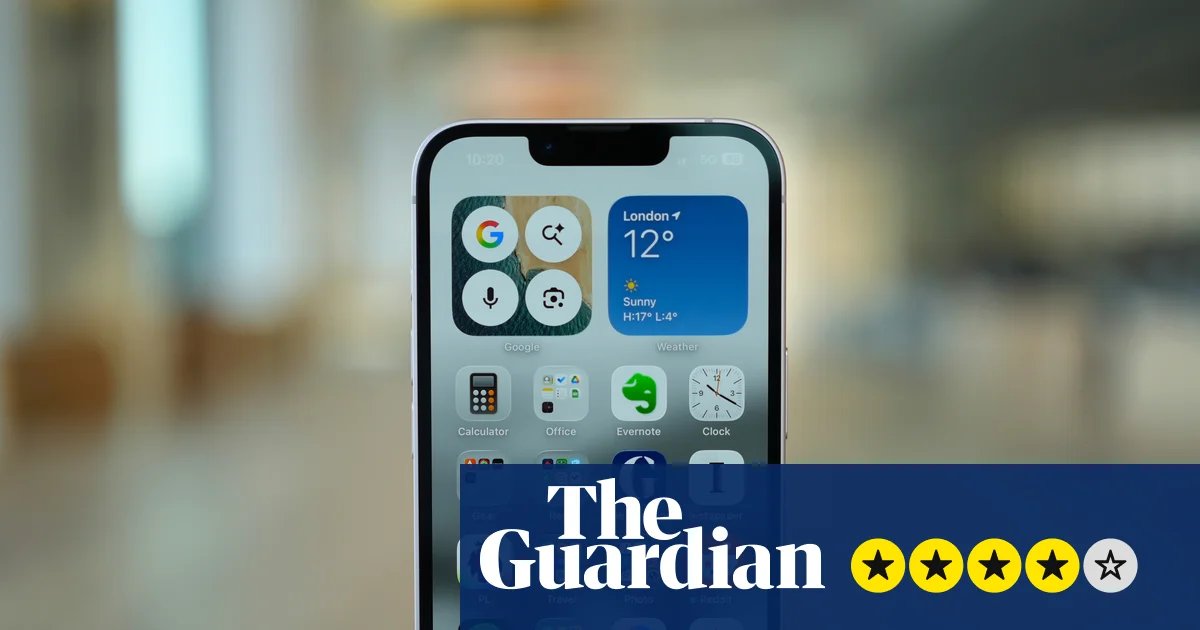
The cheapest new iPhone has been upgraded for this year with a faster chip, double the storage, automatic portraits and MagSafe, providing even more of the core Apple smartphone experience for less.
The iPhone 17e is an upgraded version of the mid-range “e” line launched last year with the first iPhone 16e and is the latest member of the iPhone 17 family. It starts at £599 (€699/$599/A$999), undercutting the iPhone 17 and iPhone 16 by £200 and £100 respectively to be the cheapest new iPhone sold by Apple.
The new 17e is the spitting image of the model it replaces, giving it the older iPhone 14-like design with a large notch at the top of the screen and a slower 6.1in OLED screen. The aluminium sides feel great and the screen glass has been upgraded to the latest Ceramic Shield 2, which is tougher and includes an extremely effective anti-glare treatment that makes it a lot easier to see outdoors.
Specifications
-
Screen: 6.1in Super Retina XDR (OLED) (460ppi)
-
Processor: Apple A19 (4-core GPU)
-
RAM: 8GB
-
Storage: 256 or 512GB
-
Operating system: iOS 26
-
Camera: 48MP rear; 12MP front-facing
-
Connectivity: 5G, wifi 6, NFC, Bluetooth 5.3, USB-C, Satellite and GNSS
-
Water resistance: IP68 (6 metres for 30 mins)
-
Dimensions: 146.7 x 71.5 x 7.8mm
-
Weight: 170g
Fast chip and long battery life
The 17e has the A19 chip from the regular iPhone 17 but with one less GPU core, which reduces graphics performance slightly. Not that anyone will probably notice, as the phone is very fast and still capable of handling top-spec games. It also has a decent 256GB of storage as standard, which should be enough space for most with additional cloud backup.
The battery life is great, too, lasting a good 52 hours between charges with general usage across 5G and wifi, meaning most will need to charge it every other night.
The 17e lacks a few of the more advanced hardware features common to Apple’s other phones, including wifi 7, Thread and Ultra Wideband (UWB), the latter of which is used for the precision finding tool and for some digital car keys, among other features.
Sustainability
The battery should last in excess of 1,000 full-charge cycles, with at least 80% of its original capacity, and can be replaced for £95. Out-of-warranty screen repairs cost £225. The 17e has repair guides available and was awarded seven out of 10 for repairability by the specialists iFixit.
It contains more than 30% recycled material including aluminium, cobalt, copper, glass, gold, lithium, plastic, rare earth elements, steel, tin and tungsten. The company breaks down the phone’s environmental impact in its report, and offers trade-in and free recycling schemes including for non-Apple products.
Camera
The 17e has a single 48MP camera on the back and therefore, like the iPhone Air, lacks ultrawide and telephoto options, which means if you physically cannot move back or forwards to your subject you will not be able to get the shot.
The camera at least captures good photos across a range of lighting conditions and can manage a 2x crop zoom for a tiny bit of magnification. It also now automatically captures portrait shots from the main photo mode, allowing you to change the focus and depth of a picture after the fact. The 17e lacks a macrophotography mode, which is a shame. It also has the same 12MP selfie camera from older iPhones, which is fine, rather than Apple’s latest 18MP automatic panning Centre Stage camera.
Price
The iPhone 17e costs from £599 (€699/$599/A$999) with 256GB of storage.
For comparison, the iPhone 17 costs £799, the iPhone Air costs £999, the Google Pixel 10a costs £499 and the Samsung Galaxy S25 FE costs £499.
Verdict
Apple is slowly adding more of the core iPhone features to its cheaper “e” line, which makes the iPhone 17e a better buy than last year’s iPhone 16e.
That includes most of what you would expect: a fast chip, Face ID, MagSafe, long battery life and access to all the software. The screen is decent but slower and less smooth than the rest of the iPhone 17 line. The older design lacks the camera control button, an always-on screen and has a large notch at the top, but still feels good in the hand.
One of the biggest downsides is the single camera on the back, which captures great photos but limits the type of shots you can get. If you are at all interested in photography, this is not the phone for you.
As with its predecessor, the 17e only makes sense if you want the absolute cheapest new iPhone Apple sells and will not settle for anything else. For everyone else the iPhone 16 is available new from third-party retailers for about the same price or less refurbished.
Pros: fast, decent screen, great size, action button, USB-C, great battery life, MagSafe, long software support, Face ID, at least 256GB storage.
Cons: single camera only and no macro mode, no camera control button, old-style screen design, no wifi 7, no Thread or UWB, still expensive.