dailynewsnblog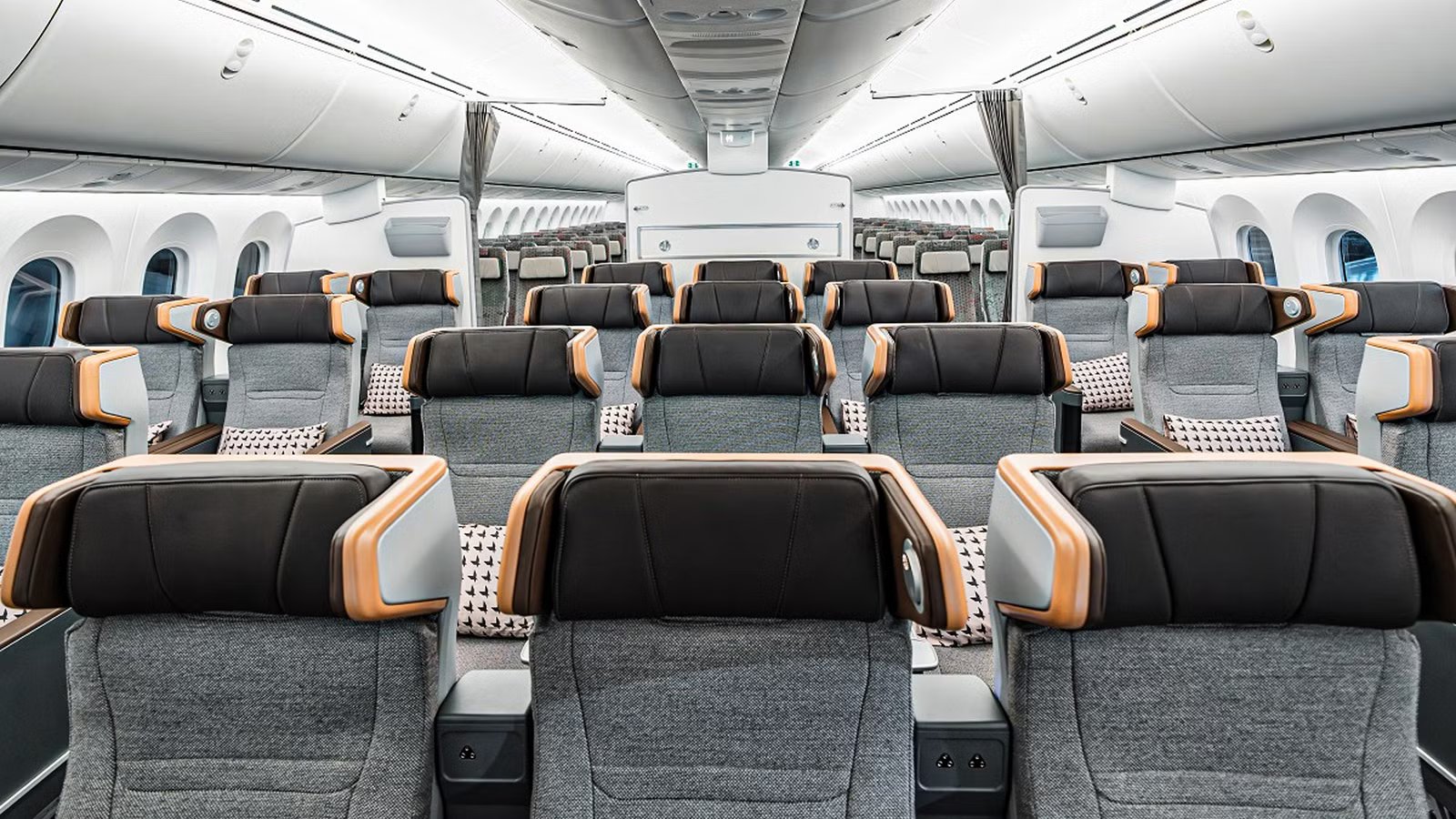
Premium Economy has evolved into one of the most competitive battlegrounds in long-haul travel, with airlines using the cabin to showcase comfort, innovation, and value. EVA Air has long stood out in this space, often credited with helping define what premium economy could be, and its latest iteration reinforces that reputation, positioning the carrier’s offering as an industry-leading premium economy experience rather than a minor step up from economy class.
One of the most striking features of EVA Air’s premium economy is its generous 42-inch seat pitch, among the largest offered today. Combined with thoughtful cabin design and consistently strong service, the carrier’s premium economy feels purpose-built for long-distance flying. In this article, we will take a closer look at this industry-leading premium economy product and see why it is perfect for passengers looking to upgrade their comfort without the hefty price tag of a business class ticket.
The Pioneer Of Premium Economy

EVA Air is widely regarded as the airline that introduced premium economy as a clearly defined cabin, setting a template that much of the industry would later follow. The carrier launched the concept in 1992 under the name Evergreen Deluxe Class, at a time when most airlines offered only first class, business class, and economy class. Rather than treating it as a minor enhancement, EVA Air positioned the cabin as a true intermediate class with its own identity, bridging the gap perfectly between business class and economy class.
The first routes to feature Evergreen Deluxe Class were long-haul services between Taiwan and North America, including flights to  Los Angeles International Airport (LAX) and
  San Francisco International Airport (SFO). These ultra-long sectors highlighted the need for improved comfort without the cost of business class, particularly for leisure travelers and small-business passengers. The product quickly gained attention, as it addressed a clear gap in the market that few airlines had seriously explored at the time.
The initial design was simple but innovative for its time — seats were wider than economy, with significantly increased legroom and deeper recline. EVA Air also differentiated the cabin through upgraded meal service, improved tableware, and a more attentive service style, and while features like personal seatback screens were not yet standard in the early 1990s, the overall experience was noticeably more comfortable and refined than in economy class.
Over the years, Evergreen Deluxe Class evolved into what is now branded as EVA Air’s premium economy class, with continuous upgrades to seating, entertainment, and cabin design. What began as an experiment on select long-haul routes ultimately reshaped airline cabin strategies worldwide.
EVA Air’s Premium Economy Cabin Today

Today, EVA Air’s premium economy class has earned a strong reputation for delivering one of the most refined experiences in the skies, particularly its latest iteration found onboard the Boeing 787-9. One of its standout features is the generous 42-inch seat pitch, which places the  Star Alliance carrier among the industry leaders for legroom in premium economy. Seats are arranged in a 2-3-2 layout, creating a less crowded cabin and making it easier for passengers to move around, and the seats themselves are wide and well-padded, with a fixed-shell design that allows for a comfortable recline without encroaching on the space of the passenger behind.
The onboard experience is elevated further by premium catering and attentive service. Meals are served on proper trays with metal cutlery, and passengers can expect a choice of well-presented dishes inspired by both local and international cuisine. Beverage options are broader than in economy, and the pace of service feels relaxed, reflecting EVA Air’s understated service style.
Inflight entertainment is another highlight, with larger screens than those in economy and a wide selection of movies and television shows. Power outlets and USB ports are available at every seat, and Wi-Fi is also available. Combined with priority check-in, increased baggage allowance, and a quieter cabin environment, EVA Air’s premium economy strikes an impressive balance between comfort and value, making it a compelling choice for long-haul flyers.

The Airlines With The World’s Superior Premium Economy Class Seats In 2025
We look at the top four airlines with impressive premium economy products.
What Does The Airline Say?

EVA Air’s premium economy class is consistently rated among the best in the skies, most recently coming fifth place in the Skytrax World Airline Awards 2025 for Best Premium Economy. The UK long-haul carrier Virgin Atlantic was given the top prize, followed by Japan Airlines. The top five are outlined in the table below:
|
Ranking |
Airline |
|---|---|
|
1 |
Virgin Atlantic |
|
2 |
Japan Airlines |
|
3 |
Emirates |
|
4 |
Singapore Airlines |
|
5 |
EVA Air |
Third-placed Emirates introduced its premium economy cabin in August 2022, and since then, the airline has been retrofitting many of its Airbus A380 and Boeing 777-300ER aircraft to include this product as part of a major cabin renovation program, bringing premium economy to more aircraft and routes over the next few years.
In a recent interview with Simple Flying, EVA Air North America Head Office Executive Vice President, Andrew Su, said:
“For business passengers, our fourth-generation premium economy offers more comfortable seats and a better resting space, which is especially important for those who need to work during long-haul flights. And for the leisure segment, of course, it provides a more luxurious label and a very comfortable experience without exceeding their budget. The leisure passengers care about the budget. So I think this is the major reason why the leisure traveler chooses to travel with premium economy and tries to upgrade their experience in-flight with EVA Air.”
Which EVA Air Aircraft Feature Premium Economy?

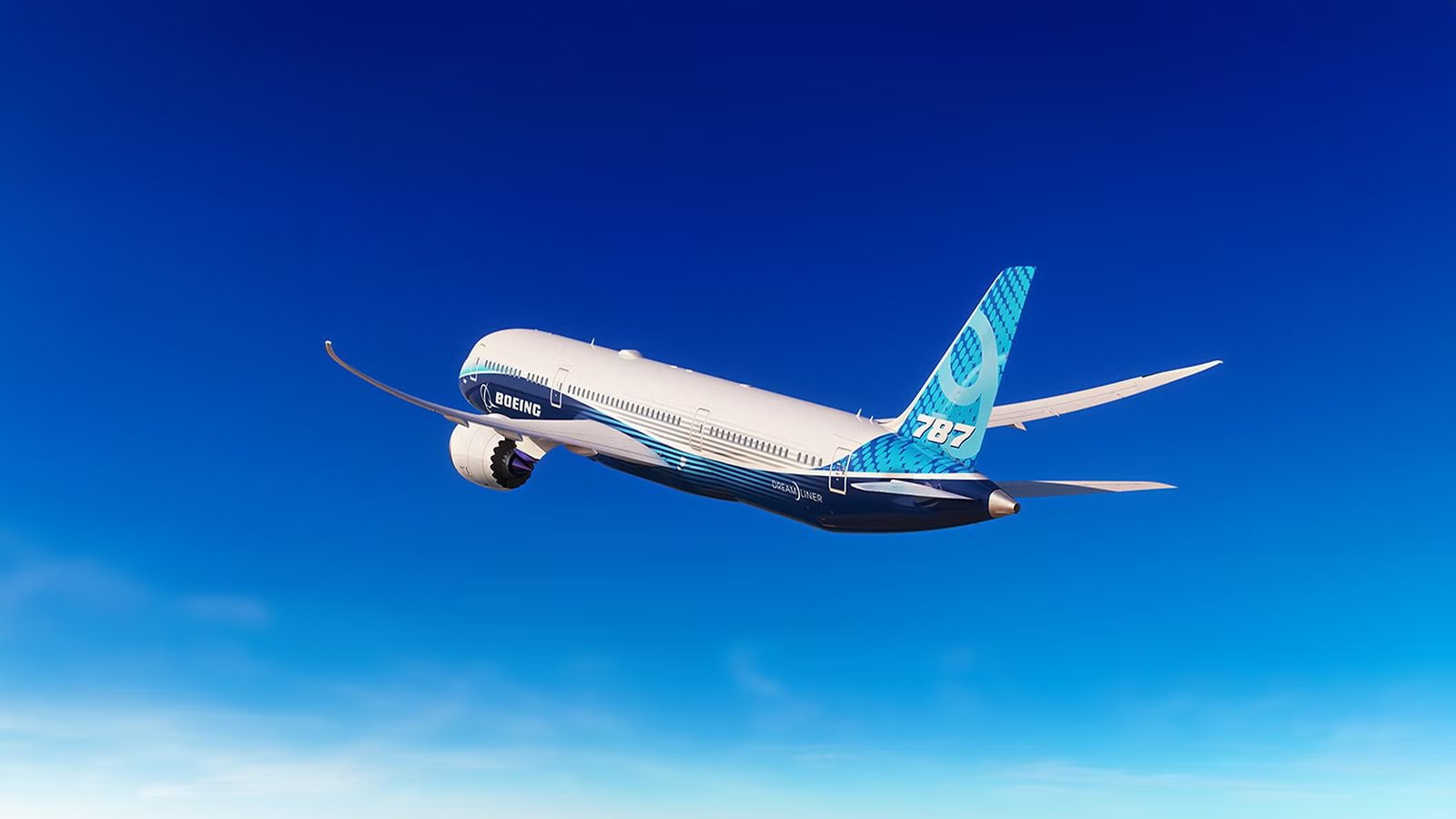
EVA Air’s premium economy product is available on its Boeing 777-300ER and Boeing 787-9 aircraft. It is not found on the carrier’s Airbus A330-300s, but is expected to be on the upcoming deliveries of Airbus A350-1000 aircraft when they begin to arrive later this year.
The latest data from ch-aviation shows that EVA Air’s passenger fleet is currently made up of 89 aircraft. Those with premium economy are shown in the table below:
|
Aircraft |
Premium Economy? |
|---|---|
|
Airbus A321 |
No |
|
Airbus A321neo |
TBC |
|
Airbus A330-300 |
No |
|
Airbus A350-1000 |
TBC |
|
Boeing 777-300ER |
Yes |
|
Boeing 787-9 |
Yes |
|
Boeing 787-10 |
No |
Curiously, despite being among the newer aircraft in EVA Air’s fleet, the carrier’s Boeing 787-10s do not feature a premium economy cabin. These high-capacity aircraft are primarily used on regional routes, with capacity for 34 passengers in business class and 308 in economy class.
Premium Economy On Long-Haul Routes

EVA Air’s primary hub is at Taipei Taoyuan International Airport (TPE) in Taiwan. From there, the Star Alliance carrier operates flights to more than 50 destinations around the world. With a particularly strong presence in the Asia-Pacific region, EVA Air also flies to nine destinations in North America, representing the size of the market. The carrier will add a tenth North American destination on June 26 when it commences flights to Washington Dulles International Airport (IAD). The frequency of flights on existing transpacific routes is outlined in the table below:
|
Destination |
Frequency |
|---|---|
|
Los Angeles International Airport (LAX) |
3 x daily |
|
San Francisco International Airport (SFO) |
3 x daily |
|
Seattle-Tacoma International Airport (SEA) |
10 x weekly |
|
New York John F. Kennedy International Airport (JFK) |
7 x weekly |
|
Houston George Bush Intercontinental Airport (IAH) |
7 x weekly |
|
Chicago O’Hare International Airport (ORD) |
7 x weekly |
|
Toronto Pearson International Airport (YYZ) |
7 x weekly |
|
Vancouver International Airport (YVR) |
7 x weekly |
|
Dallas/Fort Worth International Airport (DFW) |
7 x weekly |
All of the above routes are flown with either the Boeing 777-300ER or Boeing 787-9, both of which feature EVA Air’s award-winning premium economy product.

What Are The Benefits Of Flying Emirates Premium Economy?
It’s the perfect middle ground.
The Worldwide Growth Of Premium Economy

Over the past decade, premium economy has shifted from a niche offering into a core part of many airlines’ long-haul strategies. What was once seen as an experimental middle ground has become a response to changing passenger expectations and rising fares in business class.
In the US, airlines were relatively late to adopt premium economy cabins, but once they did, expansion was rapid. For example,  American Airlines introduced premium economy across much of its widebody fleet in the late 2010s, marketing the cabin as a step-up in space, dining, and overall comfort.
  United Airlines followed with its Premium Plus product, emphasizing larger seats, upgraded meals, and improved inflight service on long-haul routes. Meanwhile,
  Delta Air Lines took a slightly different approach with Premium Select, focusing heavily on soft product elements such as enhanced catering and amenities alongside increased legroom.
The growth of premium economy reflects a broader shift in how travelers value comfort. Leisure passengers are increasingly willing to pay extra for space on long flights, while corporate travel policies often allow premium economy where business class is restricted. For airlines, the cabin offers strong revenue potential without sacrificing as much space as business class, and as a result, premium economy has become one of the most important developments in long-haul travel over the last decade, reshaping cabins across the commercial aviation industry.