dailynewsnblog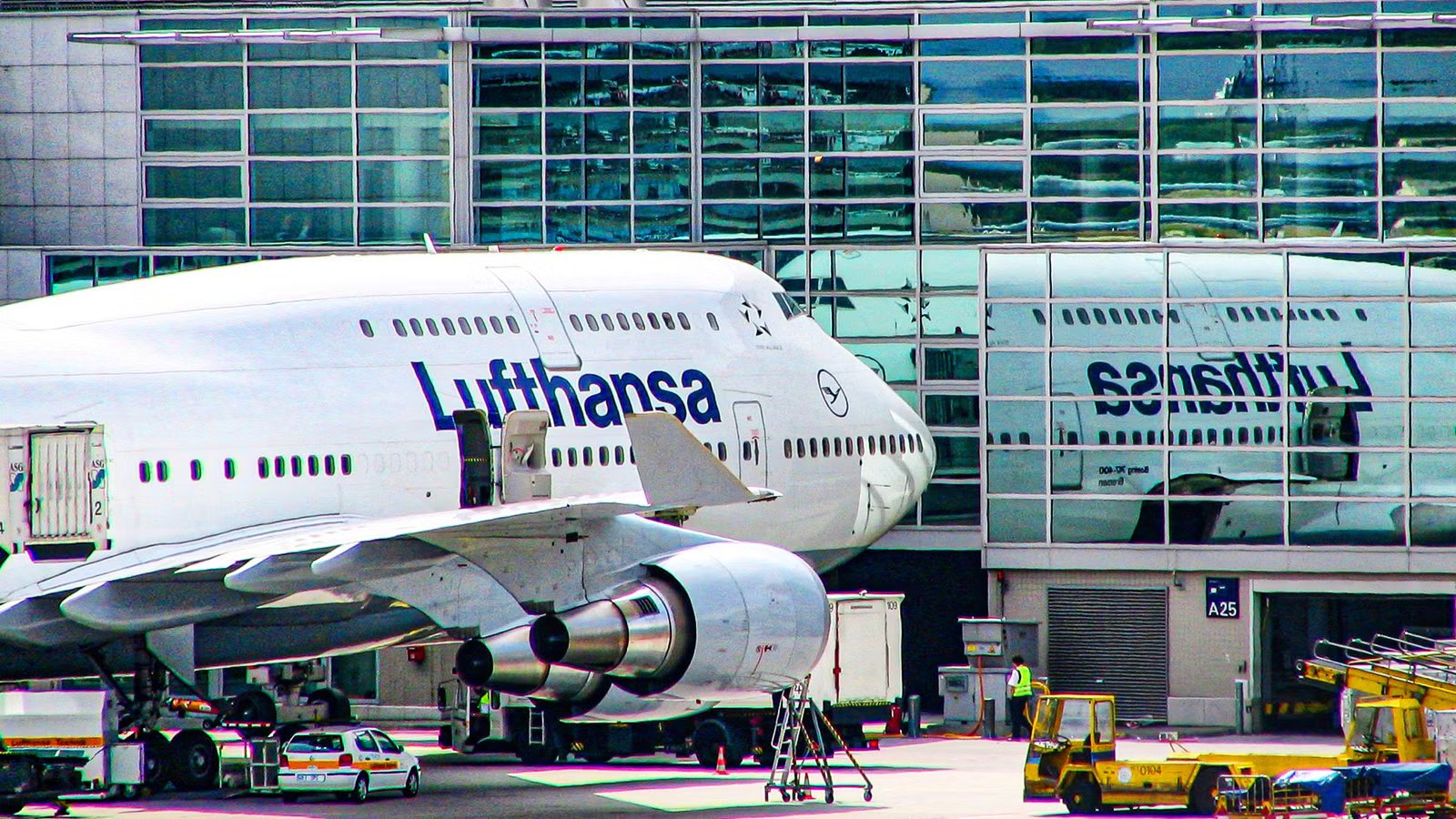
Few silhouettes in the history of global aviation are as instantly recognizable as the Boeing 747. The distinctive hump that sits atop the forward fuselage defines the aircraft, yet the layout and logic behind this upper deck remain a mystery to many travelers. This guide will take you inside that elevated space to explain how it evolved from a small social lounge into a critical component of global logistics and high-end passenger travel.
Looking back to the mid-1960s, this was a time when engineers believed supersonic flight would soon make conventional jets obsolete. Consequently, the 747 was built with a dual purpose in mind, ensuring it could function as a premier passenger carrier or a high-capacity freighter. The resulting upper deck design is a masterclass in compromise, balancing aerodynamic requirements with the need for a front-loading cargo system.
Working With What You Have

Many passengers often wonder why the second floor of the 747 does not run the entire length of the aircraft like the modern Airbus A380. The decision to limit the upper deck to the forward section was driven by the specific engine technology and aerodynamic theories available in the late 1960s. During this era, engineers had to account for the transonic area rule, which suggests that the cross-sectional area of an aircraft should change gradually to minimize drag at high speeds.
If  Boeing had designed a full-length double-deck, the resulting aircraft would likely have been too heavy for the four engines available at the time. The massive weight of a complete second floor would have significantly reduced the range and payload capacity, making the aircraft commercially unviable for long-haul routes. By tapering the upper deck back into the main fuselage, the designers managed to create extra space while maintaining a sleek profile that optimized fuel efficiency during high-speed cruise.
Furthermore, the partial deck was a strategic hedge against the rise of supersonic transports. Boeing expected the 747 to eventually be relegated to cargo duties, so they placed the cockpit on a shortened upper level to allow for a nose-loading door. This architectural choice meant the hump only needed to be long enough to house the flight crew and a small seating area, creating a fuselage shape that maximized utility without the aerodynamic penalty of a full second level.
The Peak Of Boeing 747 Upper Deck Luxury

The earliest iterations of the Boeing 747-100 featured a remarkably exclusive upper deck that looked quite different from the rows of seats found in modern configurations. Instead of a long strip of glass, the original hump possessed only three windows on each side, creating a secluded and private atmosphere for those lucky enough to ascend the stairs. Boeing initially envisioned this space not as a place to pack in additional travelers, but as a prestigious social lounge where elite passengers could relax away from the noise and activity of the main cabin.
During the peak of luxury aviation in the early 1970s, legendary carriers like Pan Am and TWA transformed this upper compartment into a high-flying cocktail bar, restaurant, or social club. Access was typically restricted to first-class ticket holders who would climb a narrow, iconic spiral staircase to enjoy a revolving selection of hors d’oeuvres and premium spirits in swivel-style armchairs. This era of flight prioritized the prestige of the passenger experience over the raw density seen today, treating the upper deck as a unique, non-seated luxury that set the 747 apart from any other aircraft in the sky.
As global economic conditions shifted and the airline industry became increasingly competitive following the 1973 oil crisis, the charm of an unproductive lounge began to fade in favor of higher revenue per flight. Management teams realized that by removing the bar and heavy lounge furniture, they could install approximately 15 to 30 additional seats in that premium real estate. This transition eventually paved the way for the Boeing 747-200 series, which maintained the same external dimensions but saw the window count increase from three to ten on each side, marking the end of the lounge era and the beginning of the upper deck as a high-density seating zone.

Airbus A380 Vs. Boeing 747: How Do They Compare On Ultra-Long-Haul Flights?
Does it make a significant difference to to choose one aircraft or another for a long flight? If so, that’s the thing, which is the best airliner?
Setting Up For The New Future

The primary reason the 747 features an upper deck in the first place is not found in passenger luxury, but in the industrial requirements of cargo logistics. By elevating the flight deck above the main floor, Boeing engineers created a design that could accommodate a massive nose-loading door. This architectural decision allowed the aircraft to accept items that were physically too long or too wide for a standard side-loading door, such as military vehicles or industrial turbines.
Placing the cockpit on the second level required a specialized internal structure where the pilots sit approximately 7.56 to 7.90 meters (24.8 to 25.9 feet) above the ground. This elevation provides the flight crew with a unique perspective during taxiing, though it necessitated a complex set of stairs for access from the main deck. The nose swings open entirely on freighter models, necessitating the flight deck be positioned far enough back and high enough to stay clear of the heavy-duty hinges and locking mechanisms that secure the face of the aircraft.
Joe Sutter, the lead engineer of the 747 project, famously prioritized this cargo-centric layout because he believed the passenger version would be a short-term success before supersonic jets took over. The resulting workspace for the pilots is notably compact compared to the sprawling main deck, featuring a layout that has evolved from analog dials in the -100 to the sophisticated glass cockpits of the 747-8. This elevation remains one of the few instances in aviation where the primary cockpit location was decided by the needs of the cargo hold rather than the visibility or comfort of the crew.
Stretch After Stretch

The original 747-100 and -200 models shared a relatively short hump, but the demand for more premium seating led Boeing to significantly expand this space in later variants. This evolution culminated in the stretched upper deck (SUD) modification, which eventually became the standard for the 747-300 and the highly successful 747-400. By extending the upper level, Boeing was able to increase the passenger capacity of the second floor from roughly 15 travelers to more than 60 in some high-density configurations.
This physical stretch added 280 inches (711.2 cm) to the length of the upper deck, fundamentally changing the profile of the aircraft and improving its aerodynamic efficiency. To accommodate the extra passengers, Boeing replaced the circular spiral staircase with a straight, wide staircase, making it easier for cabin crew to provide meal service to the upper level. The window count also increased dramatically, with the 747-400 featuring 20 windows on each side, offering an expansive view for those seated in the top.
The final iteration of the passenger Jumbo, the 747-8, stretched the hump even further. This version added an additional 160 inches [406.4 cm] forward of the wing, making the upper deck nearly twice as long as the original 1969 design. For airlines like  Lufthansa or Korean Air, this extra space allowed for the creation of ultra-private business class cabins that are widely considered some of the quietest and most desirable seats in the sky.

The Boeing 747‑400F’s Incredible Cargo Hold
Exploring the design of the Boeing 747-400F.
Fastest Way Out

Seating capacity on the second level is not just a matter of available floor space but is strictly governed by international safety regulations regarding emergency egress. To certify any commercial aircraft, manufacturers must demonstrate that every passenger can evacuate within 90 seconds using only half of the available exits. For the Boeing 747, the unique height and location of the upper deck mean that the safety requirements for this space are among the most stringent in the entire industry.
On the 747 upper deck, the number of travelers is primarily limited by the two emergency exit doors located at the rear of the hump. These exits are typically smaller and more difficult to access than the massive Type A doors found on the main deck, and so the Federal Aviation Administration (FAA) imposes a hard cap on how many people can legally fly in that upper compartment.
The physical height of these upper doors presents an additional engineering hurdle, as the evacuation slides must be long enough to reach the ground safely from a height of nearly 30 feet [914.4 cm]. These slides are massive, multi-lane inflatable systems that are significantly heavier and more complex than those found on lower levels. These are stored within the walls of the upper deck, and they take up a surprising amount of internal volume, which is another reason why the walls of the 747 upper cabin feel thicker and the interior slightly narrower than the main deck below.
Fruition Of The Vision

As the era of the passenger 747 draws to a close, the upper deck has found a new and permanent purpose within the global logistics network. In modern freighter operations, such as those flown by Nippon Cargo Airlines or  UPS Airlines, this elevated space serves as a dedicated space for the flight crew and specialized personnel known as supernumeraries. This shift from high-society lounge to a functional crew center represents the final evolution of Joe Sutter’s original vision for a dual-purpose aircraft.
Instead of rows of luxury seating, a 747-8F upper deck typically features a compact galley, two or four business-class style seats for couriers or relief pilots, and several enclosed bunk beds. This specialized layout allows for augmented crews, where four pilots can rotate shifts to fly a single leg that lasts more than 14 hours without needing a stopover. For many carriers, this capability is essential, as the upper deck provides a quiet, pressurized environment far removed from the massive cargo pallets humming on the deck below.
Looking toward the future, these upper cabins will likely remain the most coveted workspaces in the sky for at least another two decades. While the 747-8 passenger model is becoming an increasingly rare sight at major hubs, the freighter variant ensures that the iconic hump will continue to traverse the Pacific and Atlantic. The upper deck has successfully transitioned from a symbol of 1970s glamor into a critical tool for long-haul fatigue management, ensuring that the crews keeping the world’s supply chains moving have a safe and comfortable place to rest high above the clouds.