dailynewsnblog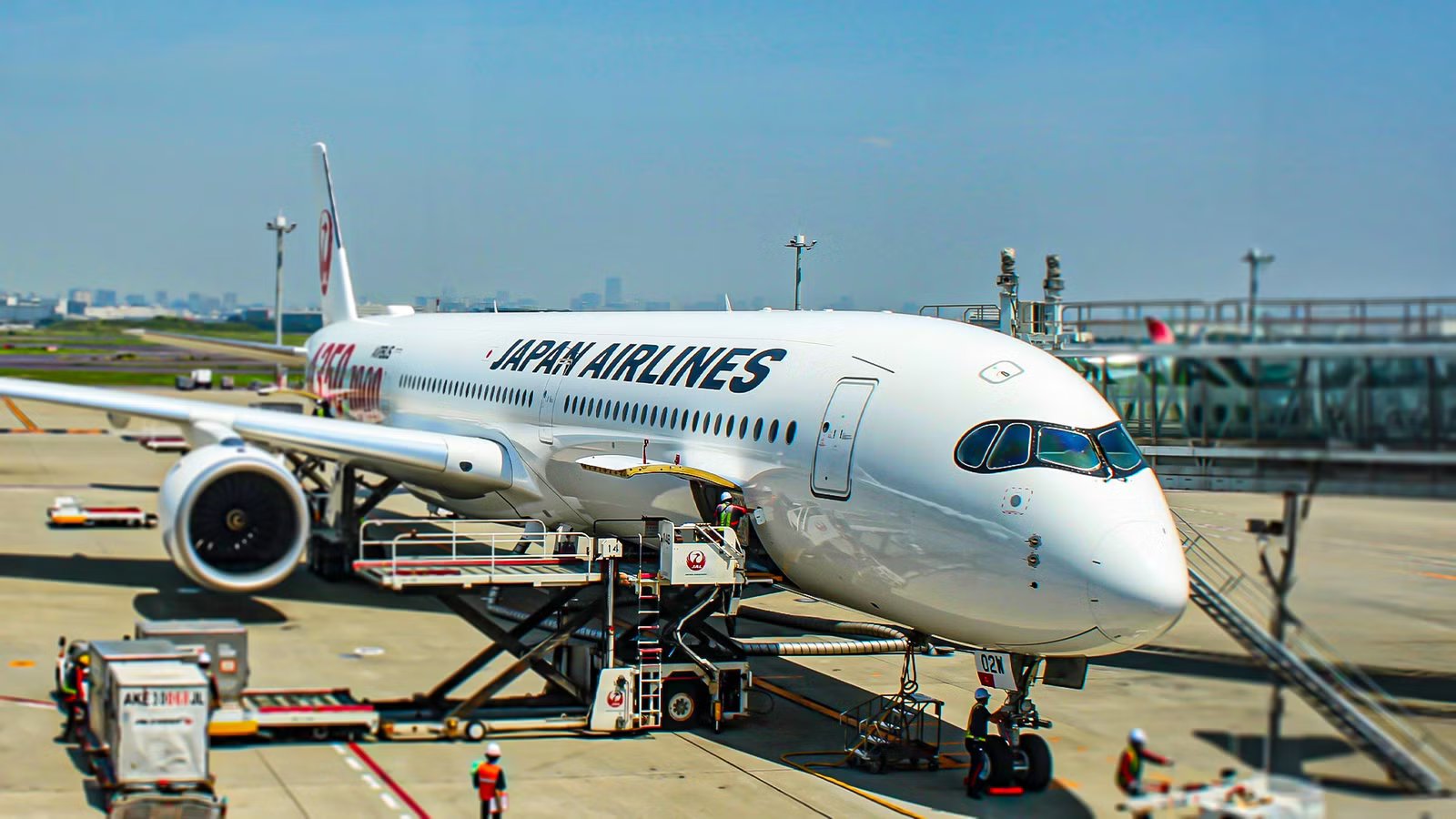
Ultra-long-haul flying requires more than just fuel range and passenger comfort. On aircraft like the Airbus A350-1000, missions can stretch well beyond 12 hours, making augmented flight and cabin crews a necessity rather than a luxury. To support these extended operations, modern widebody aircraft are equipped with dedicated crew rest compartments designed to allow genuine sleep at cruising altitude.
These spaces are intentionally hidden from passenger view and integrated into the aircraft’s structure, whether in the overhead crown area, beneath the cabin floor, or near the flight deck. While rarely seen by travelers, crew rest facilities are tightly regulated, carefully engineered, and essential to fatigue management on long-haul flights. A closer look inside the A350-1000 reveals how airlines balance space efficiency, safety requirements, and crew wellbeing on one of the world’s most advanced aircraft.
What Does Crew Rest Normally Look Like On Widebody Aircraft?

On long-haul flights, rest for pilots and cabin crew is not optional. Regulations require structured rest periods, so crews can safely operate flights that last many hours. These rest breaks are built into duty schedules and supported by dedicated onboard facilities. Without proper rest, long-haul operations would not be possible, significantly limiting an airline’s reach and adding unnecessary stopover costs.
Crew rest areas are generally divided into two categories: pilot rest and cabin crew rest. Pilot rest compartments typically include one or two full-length bunks and sometimes an additional seat, offering a relatively quiet and comfortable environment. Cabin crew rest areas are usually more compact, often arranged in stacked bunk configurations to maximize space. While functional rather than luxurious, they allow flight attendants to lie flat and sleep during long segments.
Most modern widebody aircraft include dedicated crew rest areas, though there are exceptions such as the Boeing 767, which often lacks a purpose-built rest compartment. On the Boeing 787, the cabin crew rest is typically located at the rear of the aircraft and accessed by a staircase, with space for around six bunks, while the pilot rest is positioned near the front. The Airbus A330 and Airbus A340 typically have cabin crew rest areas below the main cabin near the center of the aircraft, with separate pilot rest facilities located forward.
Where Crew Slept On Aircraft Without Dedicated Crew Rest Areas

Even though most modern widebody aircraft include purpose-built crew rest compartments, some aircraft operate long flights without them. This raises the question of where crews rest on aircraft that lack dedicated facilities. In these cases, airlines adapt passenger seating to meet regulatory rest requirements. These solutions are practical rather than elegant, but they are effective and can easily be improvised when necessary.
One example is United Airlines’ Boeing 767 fleet. On aircraft without built-in crew rest modules, four dedicated economy seats at the rear of the cabin are used by flight attendants. These seats feature increased legroom, greater recline, a footrest, and are separated by a curtain to provide privacy. On routes where flight attendant rest is not required, these seats are available for economy passengers. Pilots, typically operating with a crew of three, rest one at a time in a business class Polaris seat that can be curtained off from the rest of the cabin.
United uses an even more specific setup on its long Pacific narrowbody operation. The airline’s island hopper service, flown on specially configured Boeing 737-800 jets, connects Honolulu to Guam with five intermediate island stops and takes roughly ten hours end to end. Pilots operate as a crew of four, rotating duties in flight, with the resting pilots assigned to first class seats 1A and 1B, which offer exceptional recline. Because of this configuration, seats 2A and 2B cannot be sold, while cabin crew rest in the first row of Economy Plus seats that also offer extended recline.

Airbus A350-900 Vs A350-1000: Features Compared
Comparing and contrasting the modern widebody variants.
Inside The Crew Rest On The A350-1000

On many Airbus A350-900 and A350-1000 aircraft, the cabin crew rest facility is built into the crown space above the main passenger cabin, typically over the economy section. Rather than being visible to passengers, access is intentionally subtle, often through a narrow staircase or concealed entry point positioned near a galley or door area.
This keeps crew transitions discreet and minimizes disruption to the cabin environment. Inside the compartment, several bunks are arranged efficiently within the curved upper fuselage structure. Each sleeping space is individually separated with curtains and equipped with basic amenities, such as reading lights, ventilation controls, and small storage areas. The design prioritizes space efficiency while maintaining low light levels and reducing noise to allow proper rest during long-haul operations.
Some airlines opt for an alternative configuration that places the crew rest compartment below the main passenger deck. While this lower-deck installation is less common on the A350 compared to the overhead crown layout, it offers stronger separation from passenger movement and cabin noise. Access is provided via a staircase leading down into a self-contained module beneath the cabin floor.
Choosing this configuration does require sacrificing a portion of cargo capacity, but in return, airlines gain improved sound insulation and a more stable temperature environment. For carriers operating ultra-long-haul routes, that additional isolation can be worthwhile. Regardless of whether the rest area is above or below the passenger cabin, the objective remains the same: to provide crew members with a dedicated sleep space designed for genuine rest rather than temporary relaxation in standard passenger seats.
The pilot rest area on the A350-1000 is located at the front of the aircraft, separated from the main cabin and distinct from the cabin crew facilities. This compact compartment typically includes two bunk-style sleeping spaces fitted with thin mattress pads and separated by curtains for privacy. In addition to the bunks, there is usually a single seat in the space, allowing one pilot to sit upright while the other rests. Although the area is modest in size, it is purpose-built to allow flight crew members to obtain restorative sleep during extended operations, ensuring they can rotate effectively during long-haul and ultra-long-haul flights.
How Crews Plan Their Rest Periods

On long-haul flights, cabin service typically follows a predictable rhythm. After departure, the first meal service is usually completed within the first couple of hours, while the final service takes place a few hours before landing. The time between those two service periods is when structured crew rest rotations occur. The operating crew is split into groups, with one portion remaining on duty while the other heads to the designated rest area. The length of each rest break varies based on total flight duration, but it commonly ranges from roughly ninety minutes to several hours, ensuring all crew members receive meaningful time off the cabin floor.
Managing fatigue is a core part of cabin crew training. Crew members are taught how long-haul operations affect the body’s natural rhythms and how to prepare accordingly. That preparation may involve adjusting sleep schedules before departure, resting ahead of overnight flights, or planning daytime sleep after arrival. Even with access to crew rest compartments, falling asleep on command is not always easy. The aircraft environment can be noisy, the rest areas compact, and the body clock misaligned with local time. On night flights, especially, adrenaline and alertness can make rest challenging. In situations where sleep is not possible, crew members may use the rest period to relax in other ways, such as listening to music or watching entertainment, allowing the body and mind to recharge before returning to duty.
After arriving at their destination, recovery continues. Many cabin crew members prioritize sleep soon after reaching their hotel, particularly after extended duty periods. Others choose to remain on their home time zone rather than adapting immediately to local time, depending on personal preference and the length of their layover. Hydration, proper meals, and light movement such as walking outdoors are often used to manage fatigue and minimize jet lag. The same principles apply once crews return home. Long-haul operations frequently result in early morning arrivals, so crew members may sleep during the day to recover. Ultimately, fatigue management on ultra-long-haul aircraft like the A350-1000 extends well beyond the onboard rest compartment and becomes part of a broader strategy that spans the entire trip.
A Look Into The Crew Rest On The World’s Largest Passenger Plane

The Airbus A380 remains the largest passenger aircraft ever built, with two full-length passenger decks stacked one above the other. That sheer scale gives airlines significantly more flexibility when it comes to allocating space for crew facilities. On ultra-long-haul routes that require augmented crews, the aircraft’s size allows for larger, more spacious rest areas compared to smaller widebody jets.
On many A380 configurations, the cabin crew rest area includes between ten and twelve bunk-style sleeping spaces arranged in a stacked, capsule-like layout. This is notably more capacity than aircraft such as the A350, which typically provide six to eight bunks depending on configuration. The additional space reflects both the A380’s higher passenger capacity and the larger number of crew members required to operate it on long-haul missions.
While the overall layout is impressive, the smaller design details are just as critical. Each bunk is generally equipped with individual reading lights, power outlets, and small storage areas or hooks to keep personal items secured during flight. Safety features are fully integrated into the compartment, including oxygen masks, seatbelt indicators, and an intercom system that allows the resting crew to be contacted instantly if needed. Even though the environment is designed for sleep and privacy, it remains a functional part of a long-haul aircraft operating thousands of feet above the earth.