dailynewsnblog
Indie Selects for March 2025: Fresh Contrasts for a New Season

Every Wednesday, dive into the Indie Select Hub — your gateway to a fresh, curated indie collection plus four themed spotlights that rotate weekly! You can always find this collection hub in the Xbox Store and on Xbox.com/IndieSelects.
As we step into spring, this lineup is all about fresh contrasts—bright blooms and deep shadows, cozy comfort and adrenaline spikes. Dive into an ultra-violent sci‑fi third-person action adventure, then slow the pace with an action RPG that’s equally at home in a warm, cozy sim loop. Take a detour into darkly funny criminal commerce with a money-laundering sim where you literally wash cash, then brace for an FMV psychological-horror interactive movie steeped in centuries-old Black Forest tales of vengeful spirits. From there, plunge into a gripping first-person horror/action journey through a nightmarish reimagining of Spain, and finally reset your senses with a first-person puzzle experience built around painting, color-mixing, and seeing the world in a whole new light. Here’s what we’ve got for you this month (in no particular order):

Romeo Is a Dead Man
.post-template-default .xwsrc-block-content-block .wp-block-column.flex-basis-50.push–25.column–content {
flex: 100%;
margin-left: 0;
}

Goichi Suda, known by his alias Suda51, returns with Romeo is a Dead Man, a bold new entry in an already impressive catalog that includes No More Heroes, Lollipop Chainsaw, Killer7, and many other cult classics. From the opening moments, you immediately recognize his signature style: the mad-genius energy, the fever-dream surrealism, and the genre-blending chaos that makes you question your own sanity while remaining completely captivated.
The game wastes no time. You are thrown straight into the action as Romeo Stargazer, a sheriff’s deputy responding to a routine call. Romeo is attacked by a mysterious creature, left for dead, then resurrected and recruited into the FBI’s Temporal Task Force by his multiverse-traveling grandfather. It is absurd, dramatic, and perfectly on brand.
Combat is fast, aggressive, and built around spectacle. Fluid combos chain together seamlessly, finishing moves are satisfyingly over-the-top, and boss encounters that stand out as some of the game’s strongest moments. These set pieces prioritize theatrical excess over strategy, leaning fully into style and momentum.
This is a niche game by design. It is unapologetically strange and will resonate most with players who value creativity, boldness, and sharp stylistic shifts. Romeo is a Dead Man is unmistakably a Suda51 creation, and as your time-traveling, multiverse-hopping grandpa wisely puts it: don’t think too hard, just feel the vibes.
– Oscar Polanco
Rune Factory: Guardians of Azuma
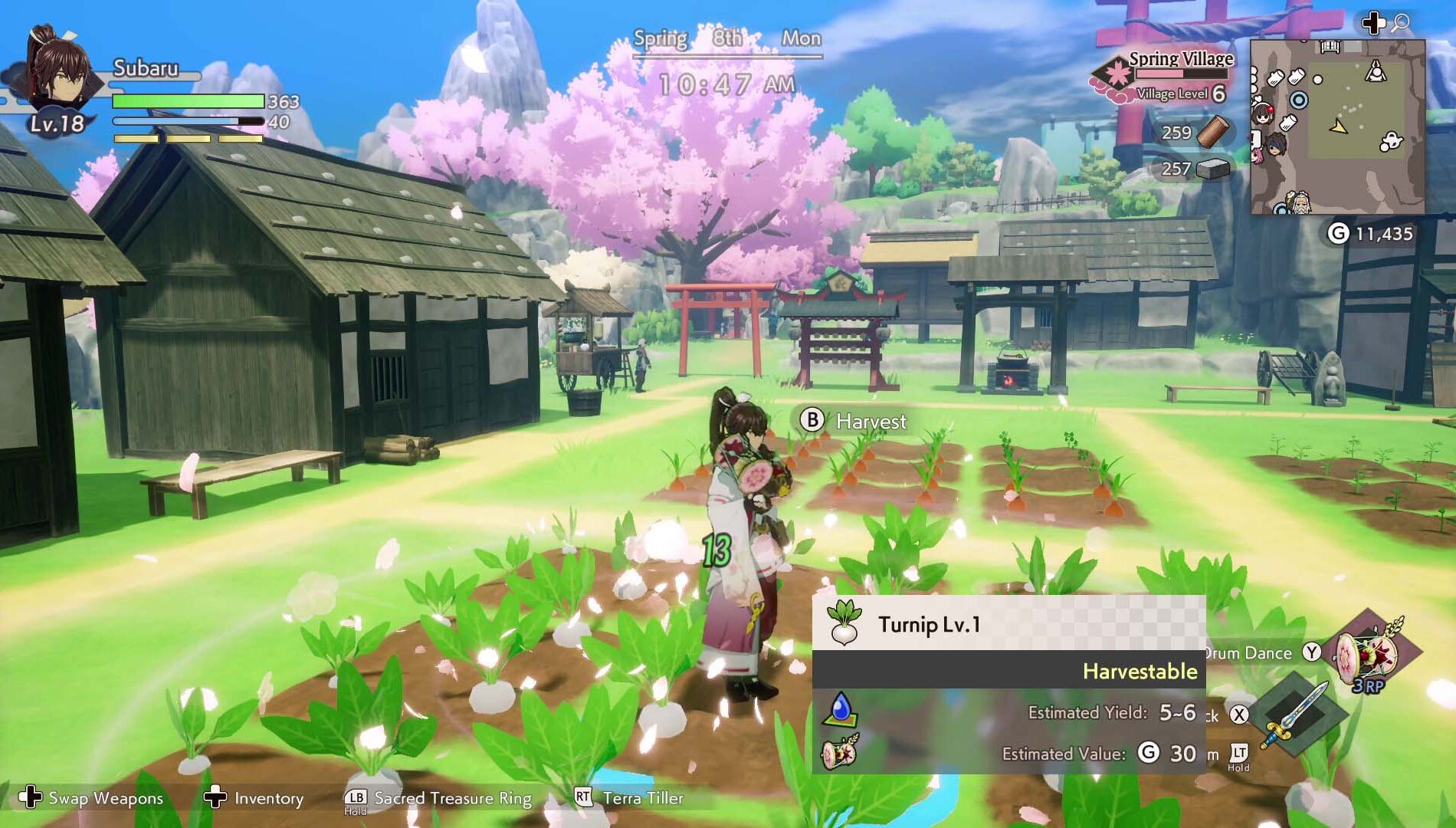
This is the game I never knew I always wanted. I missed the Rune Factory and Harvest Moon series (please don’t take my gamer card), but I’ve always loved life sims and consider myself a die‑hard action‑RPG fan. As I get older, I’ve come to appreciate the calm joy of farming while still craving the rush of slick, skill‑based combat. Rune Factory: Guardians of Azuma nails that balance. It blends both genres with charm, voiced characters, a strong story, and a fantastic soundtrack. As a spin‑off of the Rune Factory series and by extension Story of Seasons, it’s also a perfect entry point for newcomers.
You play as an Earth Dancer tasked with restoring Azuma, a land devastated by a cataclysm and the creeping Blight. You’ll rebuild villages, construct buildings, and attract new residents, all wrapped in gorgeous Japanese‑inspired visuals and music. Instead of one farm, you juggle four seasonal villages — Spring, Summer, Autumn, and Winter — each permanent and distinct. Thankfully, intuitive farming and building systems keep everything fun rather than overwhelming.
Strong character relationships (and romances) tie into combat, letting allies fight alongside you. And that combat? Smooth, responsive, and full of satisfying dodges, specials, and weapon‑tools called sacred treasures that double as farming gear. This game has so many core loops that interlock beautifully. There’s so much to boast about and I haven’t even touched on the progressive skill trees or various sky islands.
Dozens of hours in, I can already see how easily this could grow into a 100‑hour adventure. With its dense mechanics and constant variety, it reminds me of the first time I played Yakuza: Like a Dragon as it’s absolutely packed with content and proficient in everything it does. If you want a rich, varied experience that rewards long‑term play, this one’s an easy must‑have.
– Raymond Estrada
Cash Cleaner Simulator

Simulator games keep widening their delightfully absurd horizons, and I’m endlessly drawn to them like a moth to a neon sign. Give me a bizarre premise fueled by peak‑efficiency goals, and I’m in. Cash Cleaner Simulator plunges you into piles of dirty money, turning what would be a seedy, monotonous job into something sillier, more whimsical, and wonderfully literal. Like any good sim, completing task after task pulls you into a zen‑like rhythm until you suddenly wonder, “Wait… how long have I been playing?”
Each delivery, dropped unceremoniously from a chute in the ceiling, brings something new. Sometimes it’s supplies, but usually it’s cash in bags, boxes, or old mattresses. Your job: collect it, spot issues like dirt, blood, or counterfeits, and get it sorted. Jobs come through an in‑game app outlining how clean the money must be, how to repackage it, and any strict requirements. Some contracts are so precise that tiny errors can sink the whole task. As you progress, new challenges like multiple currencies, marked bills, dye packs, and gold bars push you to buy better tools and scale up.
Early earnings are slow, especially if you’re trying to pay off the million‑dollar debt hanging over you, but the game’s quirky, lighthearted tone helps smooth that grind. At its core, Cash Cleaner Simulator is a casual, almost cozy experience that lets you clean cash for criminals at your own pace. It’s weirdly funny, repetitive in a good way, and unexpectedly relaxing. Perfect for anyone wanting a laid‑back game with a delightfully absurd twist.
– Raymond Estrada
Heart of the Forest
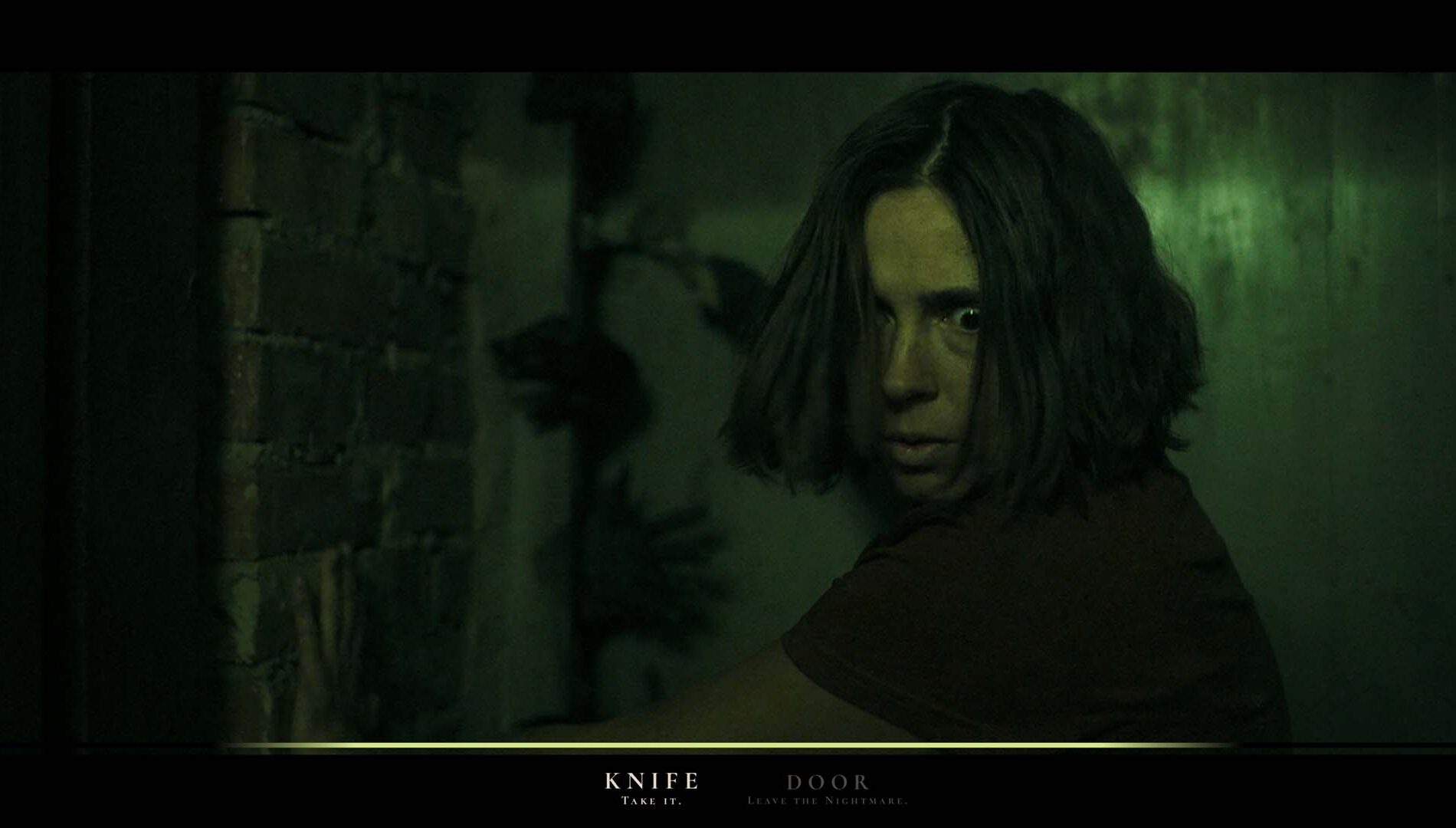
Scenario: You’re on your couch, watching a horror movie, and the desire to tell one of the main characters what to do is overwhelming. You know how this feels. Heart of the Forest takes this situation, but right as the crucial deciding moments occur, you’re in control!
Heart of the Forest is a full-motion video (FMV) game that inserts you right into the middle of a horror movie, making decisions on behalf of a group of students who have set off on a hike through the Black Forest. From the get-go you witness eerie events happening in the surrounding areas, while knowing that things are only going to get worse for the unsuspecting crew. This is a game where you need to make choices with the priority of keeping people safe as events cause this hike to go downhill… and not in a good way.
Your choices directly affect the story and literally change the movie you are interacting with. With this being a beautifully filmed game, the story is a little over 2.5 hours, but the desire to go back and change the course of events by making alternate decisions will be immense. Experience this psychological horror through the lens of 4 students, horrified at what is happening to each of them, while having a direct influence on their actions.
If you’ve never played an FMV game, but enjoyed “Black Mirror: Bandersnatch,” you’ll be right at home with this narrative-based game built around needing to survive in a horror setting.
– Keith Muelas
Crisol: Theater of Idols
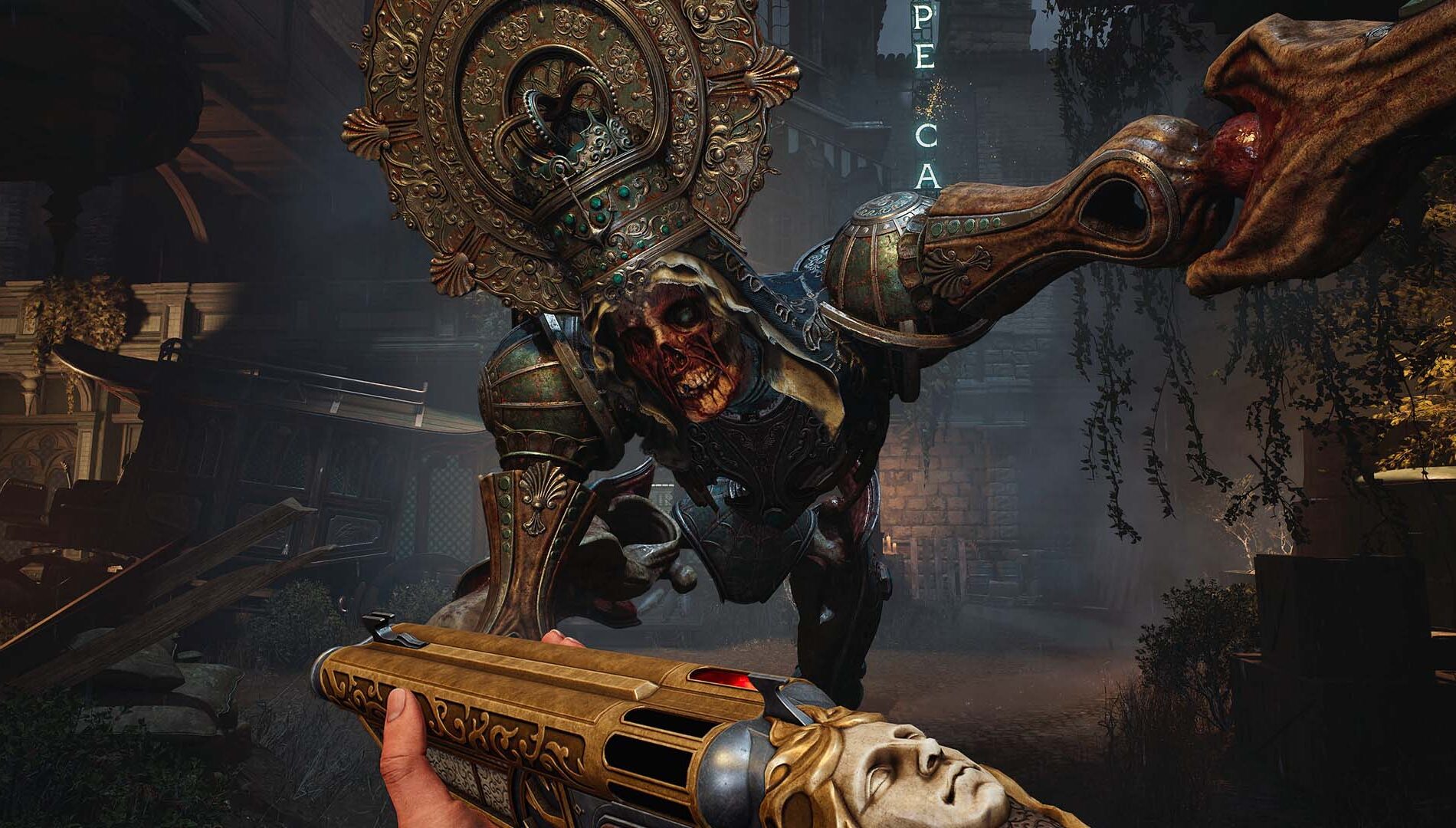
Crisol: Theater of Idols is a first-person survival horror game set in Hispania, a unique and frankly, unsettling fictional take on Spain. Players wash ashore in Tormentosa as Gabriel, a soldier sent on a divine mission from the Sun God. Armed with blood-fueled weaponry, you navigate varied environments, fight puppet-like statues, and solve puzzles while unraveling the mysteries of the island, the Sun God, and how Gabriel became so deeply entangled in all of it.
Using blood for ammo is such a wild idea — but man, does it work. Traditional survival horror relies on ammo scarcity to create tension and helplessness. In Crisol, that concept is amplified. Health and ammunition become one shared resource. It’s not just about conserving bullets — it’s about deciding whether you can afford to shoot at all. The game offers quick healing kits called Plasmarine, along with the ability to absorb blood from animal corpses (gross!). Combat revolves around this system, but it also serves as a clever world-design tool, tying progression, narrative beats, and puzzle-solving directly into the core mechanic.
As you explore, you’ll find a beautifully crafted, Spanish-inspired world that looks fantastic in 4K. I’ve always loved old-world Spanish architecture, and the game showcases a strong variety of distinct areas for players to sink their teeth into. The presentation is sharp, the gameplay is immersive, and progression through weapons, abilities and passive upgrades feel meaningful. And then there’s Dolores. I’ll leave that for you to experience firsthand, but I’m confident the 11-year-old version of me wouldn’t have slept after seeing her — or practically any of the enemies in this game. If you enjoy modern survival horror that leans heavily into tension, atmosphere, and storytelling, Crisol: Theater of Idols is absolutely worth a shot.
– Deron Mann
ChromaGun 2: Dye Hard

Indie puzzle games have spent two decades riffing on the Portal formula, with many finding real success. One standout was ChromaGun, a first‑person puzzle‑shooter built on paint mechanics and clever color‑mixing. Its strong reception has now paved the way for a sequel, ChromaGun 2: Dye Hard, which picks up immediately after the original in comedic fashion. Once again, you find yourself tricked and trapped inside the testing facility, roped into yet another round of “scientific” experimentation.
What really sets ChromaGun 2 apart is, unsurprisingly, the ChromaGun itself. You begin with yellow paint and unlock the other primary colors as you go, letting you mix and manipulate your way through each room. Paint two objects the same color and they magnetize, allowing you to move objects onto switches, pop vents off walls, and create inventive solutions. You can mix paints into secondary colors or even black when the puzzle calls for it. And despite the potential mess, mistakes are never permanent as you can always clean things up and try again. The puzzles range from quick wins to sly brain‑teasers, with simpler setups often requiring the most thought. Since nothing is timed, you’re free to experiment and tackle each challenge at your own pace. The developers also created a standout accessibility feature in their colorblind mode, which adds distinct shapes to all primary and mixed colors so players can easily tell everything apart.
If this feels a little too close to Portal, you’re not wrong. From the test‑chamber aesthetic to the ever‑present disembodied voice, the inspiration is obvious. And then there’s the moment the plot starts involving literal portals, which was hilarious and feels like the game is having a playful laugh at its own expense. Still, ChromaGun 2 is so well‑crafted, and its puzzles so genuinely satisfying, that it’s hard not to recommend it to anyone who loves this style of game.
– Raymond Estrada
The post Indie Selects for March 2025: Fresh Contrasts for a New Season appeared first on Xbox Wire.