dailynewsnblog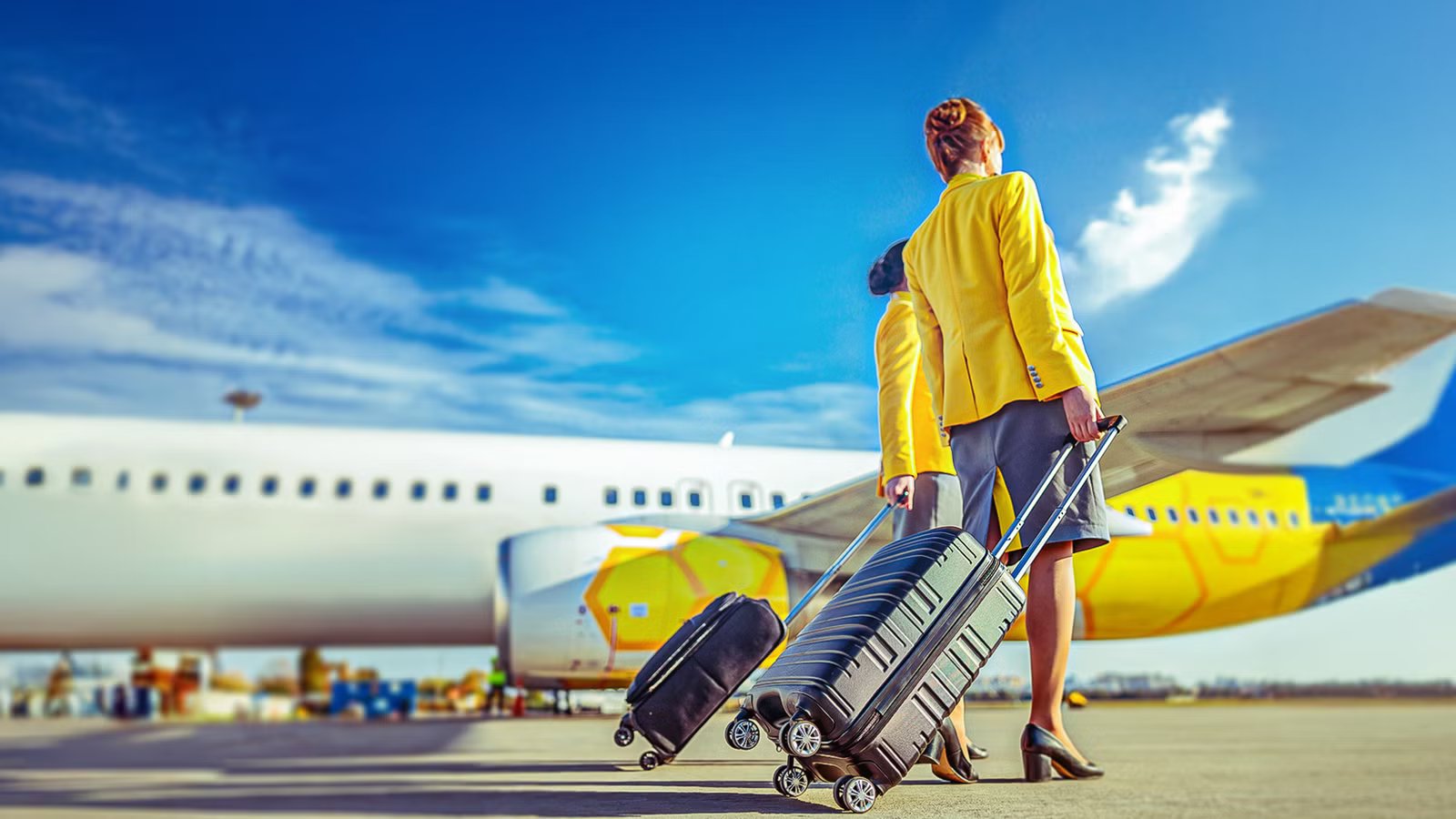
Flight attendants are well adept at packing their suitcases and carry-ons for any trip. This can mean up to six long-haul trips a month. They always look forward to the next adventure and usually have a plan for each destination, which often includes shopping, sightseeing, and a meal out with the crew. This means packing minimally for each trip but having clothing for any occasion or activity.
flight attendants have the same baggage allowance as passengers, although they frequently have more in their baggage on the return sector. Long-haul crew have a cabin bag, a carry-on bag, and a standard large suitcase, which are sometimes supplied by the airline. Bearing this in mind, how do flight attendants pack light for long-haul flights, and what methods do they use to ensure maximum efficiency and flexibility?
The Essential Items

There are many things that flight attendants must take in their crew bag or trolley bag and have on hand at all times. These include crew ID, airside pass, passport, crew license, and medical certificate. Of course, they carry their essentials too, like keys, wallet, phone, and charger. In addition, they must carry digital or paper versions of their manuals (service, Safety procedures, aircraft types, first aid) as well as any checklists and quick reference handbooks. These are required to be carried. A small flashlight and a personal CPR mask are required by some airlines.
A spare uniform set or a uniform shirt has to be carried in their hand luggage, along with an apron or service waistcoat. Two pairs of shoes are required for women, one with heels for ‘presentation’ and one flat pair of onboard shoes for use in the cabin. Spare compression hosiery, a small make-up kit, and an amenity kit for use on the aircraft are essential for dealing with the dry cabin conditions. Things like lip balm, eye drops, inhalers, and face mist are useful for comfort onboard.
Most flight attendants have a small first-aid kit, a mini sewing kit, some mints, and a shoe shiner in their carry bag. Pens and notebooks, hand sanitizer, and antiseptic wipes are all essential items. Long-haul crew may pack their own travel pillow, small duvet, and a mini hot water bottle for chilly crew rest areas. Some crew members take their own meals, a water bottle, and snacks instead of eating crew meals on board.
Curated Wardrobe

A spare set of uniform is essential, as spills on board occur frequently. Some crew like to go to the gym or go for a swim, so they will pack accordingly. Sleep and warmth are priorities after a flight, so comfortable pajamas and something like a hoodie or loose sweater will help them relax, rejuvenate, and recover better from jet lag.
Three sets of clothes are usually enough for any trip and most occasions. One casual outfit can be worn for sightseeing and shopping, one smarter outfit for eating out with the crew down route. A third outfit, like jeans and a few interchangeable tops, covers most options. Comfortable flat shoes are crucial after a flight, so most flight attendants carry sneakers, flip-flops, and other flat shoes. A casual jacket or coat may also be necessary when visiting colder countries.
Flight attendants pack based on their experience and will check the weather of the destination if they are unsure. They may swap out their most packed regular clothes, depending on the climate. In some cases, it may be appropriate to think about culturally appropriate clothing in certain countries. If visiting a mosque, temple, or church, usually knees and shoulders have to be covered, and sometimes items can be borrowed at such sites. Some countries, such as Saudi Arabia, may require women to wear an abaya and a headscarf, though this is less strict now. It is worth checking if there are any destination-specific clothing requirements. Items need to be easily washable and, where possible, be multi-functional.

15 Items You Should Always Bring In Your Carry-On Bag
Which items are most important to take as carry-on luggage?

A travel adapter, phone chargers, and a laptop are essential for most crew. A laundry bag and travel wash are useful to have. Some crew like to take an extra door locking device for increased security whilst in their hotel room. Most crew will have a small first-aid kit for basic things like cuts, bites, headaches, or stomach issues. When visiting tropical countries, anti-insect repellent and SPF sunscreen are critical, but should be carefully wrapped to avoid spills.
Some flight attendants may bring their own personal electrical items, like a travel iron to press their uniform or a hairdryer, which some hotels don’t provide. Of course, grooming standards have to be followed at all times. Travel coffee machines, kettles, and heated lunchboxes are sometimes packed by flight attendants, who are concerned about dietary requirements or the food available on layovers.
A folding tote bag is an essential item for flight attendants who love to shop as well as sightsee or go to the beach. Most crew will have a shopping list prepared prior to the trip to buy their essential items and often cannot buy at home or simply don’t have time to on their off days. They will always make sure there is space in their suitcases for essential extra items.
Creating Comfort

Jet lag is almost unavoidable for long-haul international flight attendants, unfortunately. That means that comfort and proper rest are critical to recovery before the next flight. Comfort can be very personal and down to the individual, but it is essential to unwind after a flight, where adrenaline has already built up. It could be a favorite fragrance, a personal item that reminds them of home, or just an act such as meditation, or yoga, or walking around some nearby gardens.
Many crew will say that a sleep mask and earplugs are essential, especially when trying to sleep during the day, which is often the case. The ‘Do Not Disturb’ sign is usually left on for the whole trip, to ensure privacy and allow for sleep exactly when needed. Sometimes, comfort can mean food, so snacks are often found in a flight attendant’s bag. After a long flight, they may not want to eat a meal or go out with the crew, so simple things like soups, crackers, and noodles can be a go-to and easily prepared in the room.
Some eating utensils, salt and pepper sachets, as well as dressing sachets are always useful. The small packets of tea, coffee, and milk found in most hotel rooms are saved for another trip. Some crew members on short trips prefer not to go out and save their allowances and will prefer to bring food from home instead. Alternatively, many crew love visiting local supermarkets to try out some snacks or take items home.

How Airlines Ensure Cabin Crew Safety & Security During Layovers
Situational awareness is key to staying safe as well as following your airlines recommendations.
Pack Like A Pro

Airlines often provide their crew with luggage as per uniform standards to ensure that all crew members look identical at the airport. Other airlines may just ask for luggage to be of a specific color and brand, but will provide crew tags so that crew bags are easily identifiable. Crew bags are loaded onto the aircraft in a separate container and are kept in a separate area of the airport away from baggage reclaim.
Different packing methods work for different people. Many flight attendants roll their clothing, which often results in less crinkled clothing and less ironing is needed. It also maximizes space. Shoes can be stuffed with smaller items such as socks or underwear. Any liquids should be packed into zip-lock bags to avoid spillage and damage to clothing. Some flight attendants prefer packing cubes to keep their suitcases organized.
After returning from a trip, crew will often just take out items that need to be washed and then return them to the same place in their suitcase, so they don’t have to think about unpacking and repacking for the next trip. Often, suitcases and crew bags are left near the front door, to be ready for the next trip or for standby duties at the last minute. During a trip, suitcases are often left open on the floor, and they do not unpack items. Used items are folded back up and placed in the same place for ease.
Final Tips

Making a list is often a good idea, and then it can be used every trip, whilst swapping out clothing for hot or cold destinations. This ensures that essential items are not forgotten or, worse, left behind. Many flight attendants simplify it even more by keeping everything packed at all times, just replacing items that have been washed or used up toiletries. Most people keep the same clothing for every trip for convenience.
For a flight attendant, time is always short, so they pack in a practical, minimal way to leave room for souvenirs or shopping. Rolling clothes up instead of folding reduces the need for ironing and allows more space. Some prefer cubes for packing that allow them to compartmentalize items like swimwear, gym clothing, cables, or shoes. Toiletries are usually in sample size, travel size, or small refillable bottles.
Comfort items help crew members unwind after a long flight, and some will take something familiar or from home to help them relax. This could include comfortable clothes, sleep essentials, or food items. Playlists of music, movies, or TV series are helpful for some. Despite having comfort items, flight attendants always make sure there is space for items bought to remind them of their travels.