dailynewsnblog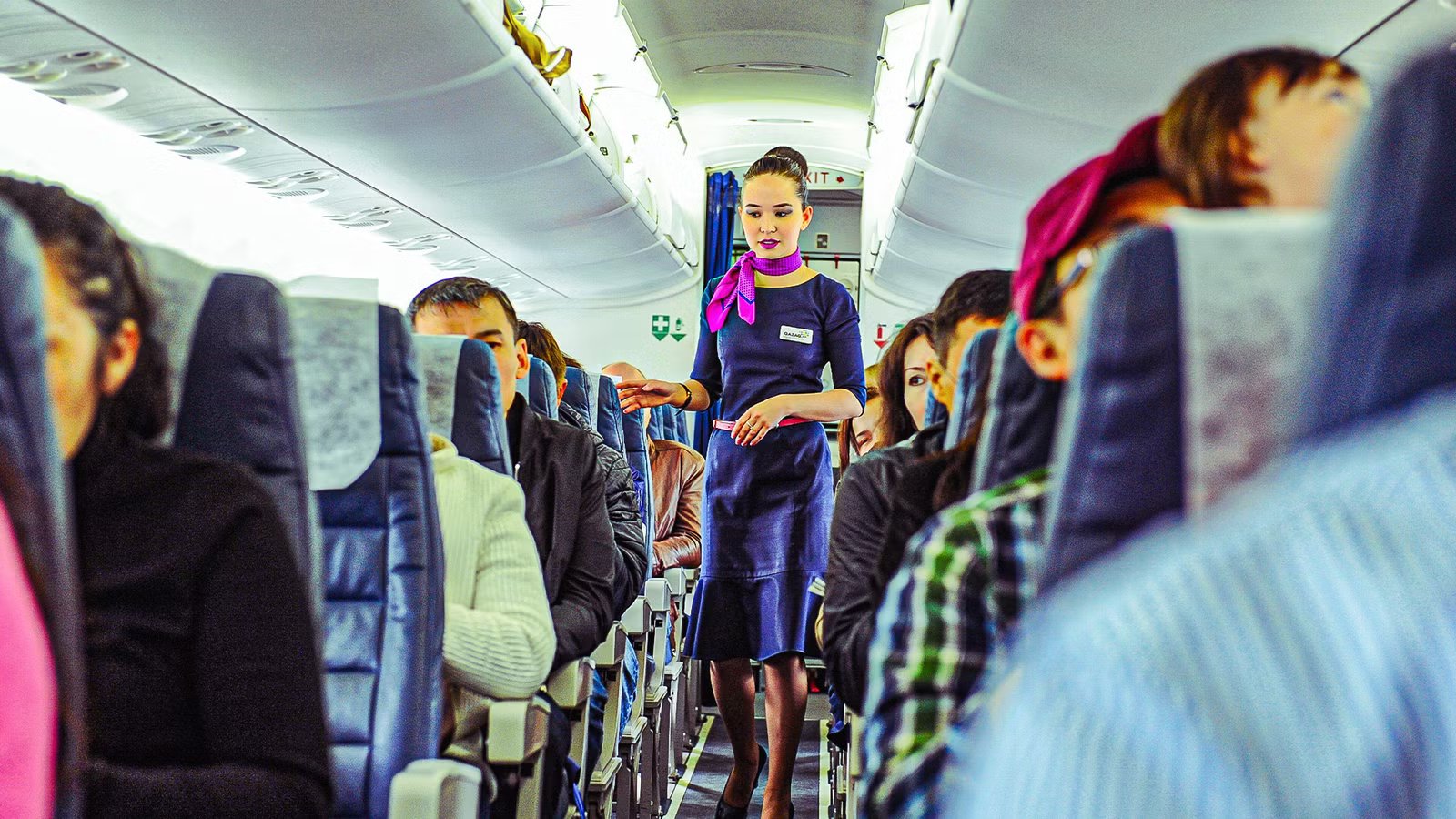
Passengers are often under the assumption that flight attendants are purely there for customer service and to provide meals and drinks during a flight. This could not be further from the truth; they are highly trained as safety professionals to act in any given emergency situation. Their role is to provide safety and comfort for passengers on board the aircraft, with Safety being the priority. This means dealing with medical emergencies, putting out a fire, or an emergency landing and evacuation on land or water.
Looking at Aviation history, the role has very much evolved over the years, but it still has its roots in safety. The first known flight attendant worked on airships in the early 1900s, and part of his role was to take passengers’ cigarettes and matches away from them to ensure safety on the airship. Later, in the 1930s, flight attendants were nurses who could calm passengers and deal with first aid issues in an uncomfortable, noisy, and unpressurized cabin. In the last fifty years, the focus has turned very much to safety and preventing accidents.
A Safe And Efficient Flight

The aim of all flight attendants and flight crew is to have a safe and efficient flight above everything else. Time is often an important factor with having to board and disembark passengers in a limited time, turn the aircraft around ready for another flight, and sometimes during short-haul flights, provide a full service during a short cruise time. Any flight delay costs the airline money, so they try to avoid them.
Things that passengers can do to help us save time and be efficient during boarding is to have your ticket ready for the flight attendants to check that you are on the correct flight and guide you to your seat. Flight attendants are well-used to helping passengers to stow their luggage and will know immediately if your oversized bag will fit in the overhead locker or whether it will need to be placed in the hold. Please have the items you need for the flight out of your bag and avoid standing in the aisle retrieving items, as this creates a bottleneck and slows down boarding.
It’s always better to use the lavatory prior to the flight at the airport instead of during boarding. If you need to use the lavatory once the seat belt sign is switched off, please avoid doing so once the service has started, as then the crew have to backtrack with the heavy carts back to the galley. This will save precious time and energy and enable the flight attendants to serve passengers more quickly, ultimately.
The Safety Demonstration And Following the Crew’s Instructions

The safety demonstration is very important and crucial should an emergency occur. However, passengers rarely watch it. They think that they’ve seen it all before and don’t want to think about the possibility of an emergency. Luckily, emergencies are quite rare, but the crew still have to remain prepared every flight, just in case. Not all aircraft are the same, and doors have different operating methods, and as a passenger, your seat is rarely the same, it is important to identify your nearest exit and count the rows forward or back to it, so that you can find it in dark and smoky conditions.
Passengers should remove their headphones during the safety demonstration and preferably during take-off and landing, as this is a critical time when most emergencies happen. If there was an emergency evacuation, you would want to be able to hear the crew’s commands and follow their instructions; after all, that is the main purpose of their job. Airlines use simple language for commands, and they may vary from airline to airline. Commands you may hear include:
- “Brace, Brace!”
- “Unfasten seatbelts, come this way.”
- “Leave all baggage behind.”
- “Wait, wait, slide inflating.”
- “Exit blocked. Go that way.”
- “Jump and slide.”
These are designed to evacuate all passengers and crew from the aircraft as quickly, safely, and efficiently as possible. Everyone should evacuate the aircraft within 90 seconds as per regulations, even if half of the exits are blocked. All baggage should be left behind; taking it with you may hinder and slow the evacuation, and lives may be (and have previously been) lost. Always follow the crew’s instructions; everything is for a good reason, and that’s what they’re trained to do.

Vape Fire: Virgin Australia 737 Aborts Landing After Device Ignites In Cabin
A Virgin Australia flight approaching Melbourne was forced to declare an emergency after a passenger’s vape device ignited in the aircraft cabin.
Passenger Observations

While passengers are boarding the aircraft, the flight attendants are carefully observing passengers for various things. This can include passengers who may have consumed too much alcohol, may have taken medications, or exhibited entitled or argumentative behaviors. These can later become disruptive passengers, so if they believe this could be the case, they can offload the passenger on the ground, which is better than an incident in flight that requires restraint and a diversion.
Flight attendants will pinpoint any passengers that might need extra help during the flight and possibly in an evacuation. These could include someone with an injury or an elderly passenger or a parent with young children. Nervous flyers may need extra attention and reassurance from a flight attendant, especially during take-off, landing, and turbulence. Flight attendants will also look for Able Bodied Passengers (ABPs) who can help in an emergency evacuation.
Although flight attendants are always trying to stop issues before they start and risk assessing passengers during boarding, they still have to monitor passengers during the flight. This may be due to a potential disruptive passenger or a passenger who has a Medical Emergency. Added to this, flight attendants are also looking for cases of drug smuggling and human trafficking, amongst other things.
Passenger Etiquette

There are some rules of general etiquette that passengers should follow. Please be sure to dress well, in comfortable natural fibers, that could also help protect you in an emergency. Do not wear synthetic items that could melt in the case of a fire and wear shoes that could cope with heat or sharp metal. Do not wear inappropriate clothing such as gym wear, pajamas or anything too revealing or with curse words. Do make sure to wear shoes in the cabin and the lavatories. Dressing well can sometimes bag you an upgrade too.
Do not repeatedly push the call bell, unless it’s an emergency situation. A flight attendant will get back to you as soon as they can. This may take longer during service when most crew are already working in the cabin. Each flight attendant has fifty-plus passengers to look after, so it can take time. If they try to speak with you, please remove your headphones to hear them properly. Never touch a flight attendant, pull at their uniform or call them ‘steward’ or ‘stewardess’.
It goes without saying that the passenger in the middle seat gets use of both armrests. Please do not play music or movies too loud and be aware of your fellow passengers. You should not recline your seat during the meal service out of respect to the person behind you. Flight attendants can ask you to put your seatback upright during the meal service. Please do not leave a mess or trash around your seat area. It’s disrespectful.

What Are The Top Tips For Plane Etiquette?
One of the most hotly argued discussions in travel is what’s the rule around armrests.
Safety Rules

If you are seated on the overwing exit, you may well receive a safety briefing from a flight attendant. They will show you how to operate the overwing exit and explain what your actions should be. The passenger should be fit and strong enough to lift the door and throw it away from the aircraft (depending on type) and assess outside conditions. They will ask if you speak English (or the native language of the airline) and confirm that you are willing to help in an emergency. If there is any doubt, the passenger will be reseated elsewhere. Only certain types of passengers can be seated on an emergency exit row, and this is strictly monitored.
Safety procedures are in place to protect all passengers and crew. These rules should be respected at all times for the safety of the whole aircraft. If requested to stow luggage, open a window blind, not to talk during the safety demonstration or to put your seatback upright, it’s all for the purpose of safety. It is important for passengers to comply with crew instructions and not doing so can result in fines and flying bans.
Turbulence is becoming more severe and more frequent, so it is important to always follow the seatbelt sign. It should be safe to leave your seat once the seatbelt sign has been switched off and stretch your legs or use the lavatory. However, clear air turbulence can occur suddenly, so there is no guarantee. The best thing to do is keep your seatbelt loosely fastened at all times, even when the seatbelt sign is switched off. In case of sudden turbulence, it will protect you against severe injuries.
Safety Professional, Not A Server

Although service is part of the flight attendant’s job, it is not the priority; safety always comes first. In general, flight attendants enjoy their work and take great pride in it. They enjoy delivering good customer service, but safety is always behind everything that they do. If they ask a passenger to open a window blind or to put their seatback upright, it’s for safety reasons. After all, their job is to keep passengers safe. Every flight on takeoff and landing, they perform a 30-second review in order to go through their procedures if there was an emergency.
Flight attendants are thoroughly trained in all safety and emergency procedures that could possibly happen. These are practiced over and over again during training until they are proficient and procedures become second nature. It is important that they can take action immediately and stay calm during any emergency. Before every flight, there is a briefing for all crew, and safety and emergency procedures and first aid questions must be answered correctly. Every year, they take recurrent exams to make sure that their knowledge is up-to-date.
Procedures, rules and regulations are critical for flight attendants, and these have to be followed to a T, for a safe and efficient flight. Please respect that flight attendants are not there just to bring you drinks or meals but to ensure your best chance of surviving an emergency during your flight. Treat them with respect, follow their lead and remember exactly why they are there, and they’ll do their very best to look after you.