dailynewsnblog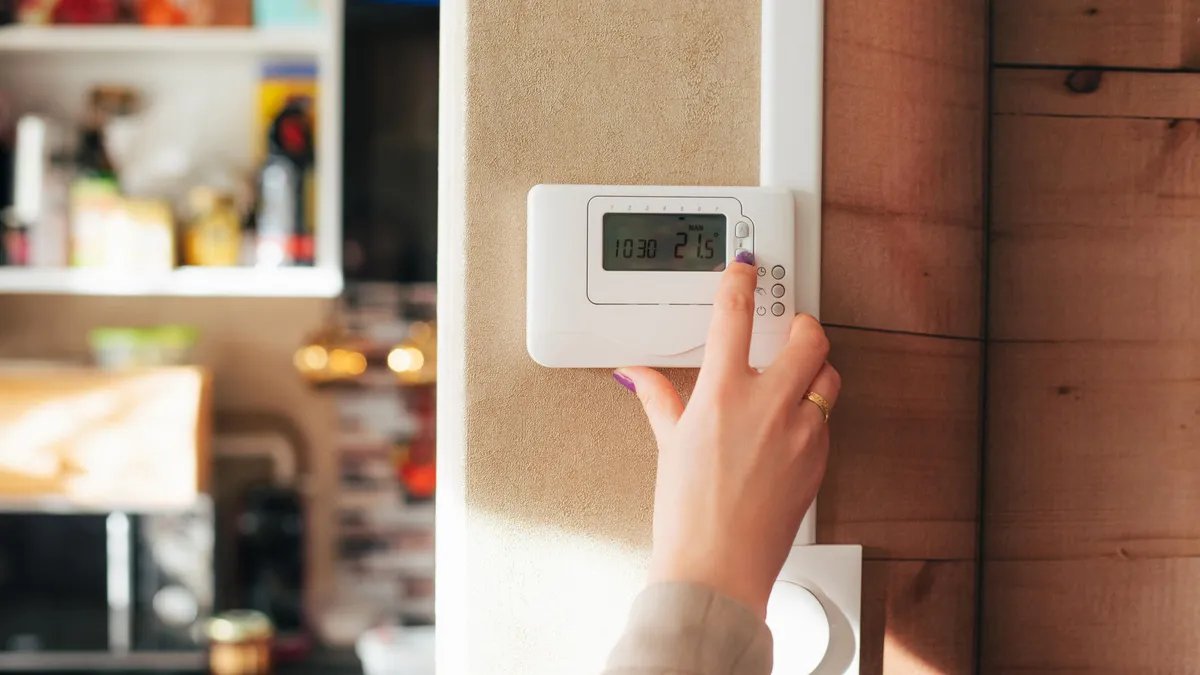
Winter 2026 has seen record-setting cold and snow — nowhere is that more evident than on your monthly heating bill. There’s no magic bullet to dramatically slash energy costs, although keeping the thermostat set to this temperature and sealing any air leaks in the home are good places to start.
The location of your thermostat is another factor to consider, and those installed in the wrong spots can wreak havoc on your energy consumption, and the reason is pretty simple.
If your thermostat is stationed in direct sunlight or, even worse, near a drafty door or window, it’s reading the wrong temperature and compensating by running your heat more often than necessary. All that extra energy shows up on your bill and can make it more difficult to calibrate your thermostat and reach an optimal temperature inside the house.
The fix doesn’t cost a thing and doesn’t require a smart thermostat upgrade — although smart thermostats are another line of defense against winter energy waste. Moving it to a better location can meaningfully reduce your energy costs. Before you write off another season of high bills, it’s worth checking whether your thermostat placement is quietly working against you.
Worst places for a thermostat
When thinking about thermostat location, the most important thing is to avoid areas with temperature extremes, which can make your thermostat think the room is much hotter or cooler than it really is and adjust the temperature accordingly.
That drafty hallway or sunny spot is making your HVAC system work way too hard.
1. Near a window or door
According to the US Department of Energy, you should avoid installing your thermostat near windows or doors, heat sources or direct sunlight. You should also avoid placing lamps or TVs near your thermostat, as they can raise the thermostat’s temperature and affect its settings.
2. In a bathroom or the kitchen
For that reason, it’s best to avoid placing the thermostat in bathrooms or kitchens, as steam from showers or cooking can interfere. The same goes for exterior walls, which are typically cooler than interior ones. Putting your thermostat in any of these less-than-ideal spots could force it to heat or cool when it doesn’t need to, unnecessarily using up more energy and money.
3. Hallways or low-traffic rooms
You should also avoid setting up your thermostat in hallways or rooms that you don’t use often. The device will not read the temperature of the places you actually want to heat or cool and could leave you with the wrong setting.
Moving your thermostat could save you big money this winter.
The best places for a thermostat
The best spot for your thermostat is on an interior wall in the middle of a room you use often, such as your living room. That will keep the most popular areas of your house comfortable at the temperature you set.
And if you have a smart thermostat, make sure it’s not obstructed by doors, bookshelves or decorations so its sensors will work as they’re meant to. You also need to make sure the smart thermostat is in range of your Wi-Fi to stay connected.
In some cases, you can move your thermostat yourself. But in others, you’ll need to call an HVAC specialist. But that cost can potentially be recouped over time through savings.
For more money-saving tips, check out how Energy Star appliances can save you cash and the cheapest place to buy groceries online.
For more ways to reduce energy costs, consider unplugging your appliances, adjusting your thermostat, turning off your lights or buying smart devices. There’s even an easy ceiling fan hack that can save money on heating or cooling your house.