dailynewsnblog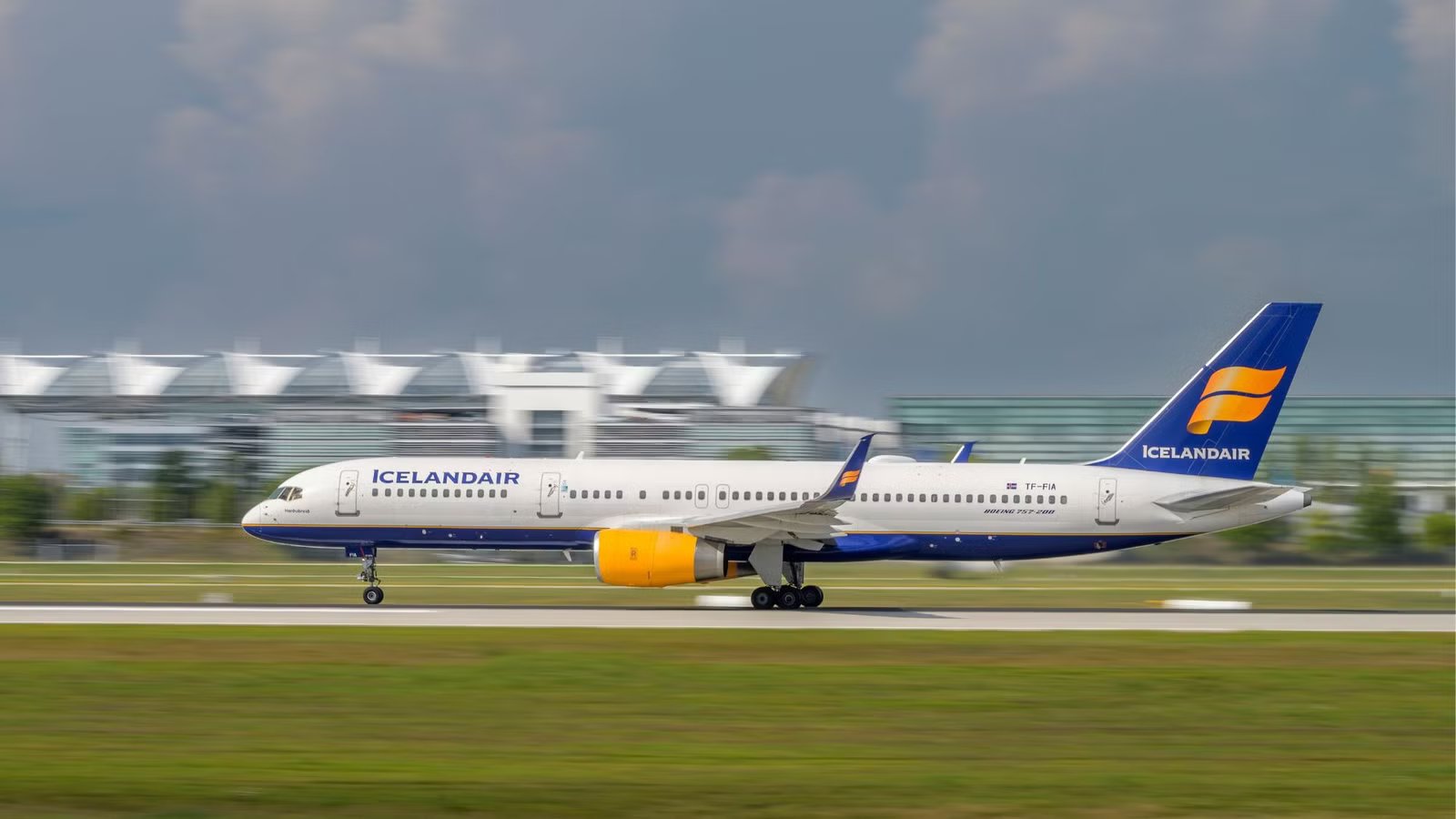
Icelandair has reported a veteran captain to the police after he allegedly performed an unauthorized low-altitude flyover during his final commercial flight, according to FL360aero. The incident occurred over Vestmannaeyjar while operating a scheduled passenger service on April 11, 2026. The pilot, who was retiring, is believed to have carried out the maneuver as a personal farewell gesture to his hometown. Authorities are now investigating whether aviation regulations were violated.
The flight, operating between  Frankfurt Airport (FRA) and Keflavik International Airport (KEF) on an Icelandair Boeing 757-200 aircraft with registration TF-ISR, was carrying passengers at the time of the incident, raising immediate safety concerns. While farewell gestures are not unheard of in aviation, they are typically pre-approved and conducted within strict operational limits. This case has drawn significant attention due to the apparent lack of authorization and the maneuver’s unusually low altitude. The airline has emphasized that safety protocols were not followed.
Low-Altitude Maneuver Triggers Inquiry

According to reports and flight-tracking data, the aircraft descended to approximately 328 feet (100 meters) above ground level during the flyover. This altitude is significantly below standard minimums for commercial operations over populated areas. The maneuver was not part of the approved flight plan. Residents in the area reportedly experienced noticeable noise and vibration as the aircraft passed overhead.
Icelandair has since launched an internal investigation and formally referred the matter to law enforcement authorities. The airline stated that such actions are treated with severity due to the potential risks involved. Aviation regulators will assess whether the pilot breached safety regulations or endangered passengers and people on the ground. The outcome could include penalties or further legal consequences despite the pilot’s retirement. In an interview, Linda Gunnarsdóttir, Chief Pilot at Icelandair, said:
“In aviation, everything is tightly governed by procedures and checklists in normal passenger operations, and this does not fall within that framework.”
Retirement Gesture Raises Serious Safety Concerns

Commercial aviation operates under tightly controlled rules governing altitude, routing, and pilot discretion. Even minor deviations typically require coordination with air traffic control, particularly in controlled airspace. Unauthorized low passes are rare in commercial service due to the inherent risks, including terrain proximity, wake turbulence, and reduced reaction time. This incident highlights how even experienced pilots are bound by strict operational frameworks.
There have been past instances of pilots performing symbolic gestures such as wing waves or low approaches, but these are usually coordinated in advance and executed within safe margins. Airlines and regulators generally discourage unsanctioned actions, especially when passengers are onboard. In recent years, the industry has placed increasing emphasis on procedural compliance and risk management. Events like this reinforce the importance of maintaining discipline regardless of intent.
The 757-200 involved is a long-serving type within Icelandair’s fleet, often used on transatlantic and European routes. Its performance capabilities allow for steep approaches, but these must always remain within regulated parameters. Even with advanced aircraft handling characteristics, such maneuvers are tightly governed to ensure safety.

Only 67% Full: Icelandair’s 10 Emptiest US Routes Revealed
Which of its US routes do you think performed the worst in this sense?
Icelandair Reinforces Strict Operational Compliance

The Westman Islands region, including Vestmannaeyjar, is known for its dramatic landscapes and challenging flying conditions. Pilots operating in the area must be particularly cautious due to rapidly changing weather and terrain. This makes adherence to procedures even more critical during the approach and departure phases. Any deviation from standard practice can carry heightened risk.
Icelandair has not indicated whether additional disciplinary actions will be taken internally, but the investigation remains ongoing. Aviation authorities in Iceland are expected to review flight data and cockpit recordings as part of their inquiry. The case could influence future policy enforcement and pilot oversight measures. It may also prompt renewed discussion around how retirement flights are handled within the industry.
While the pilot’s intentions may have been personal, the incident underscores a broader industry principle: safety procedures must take precedence over tradition or sentiment.