dailynewsnblog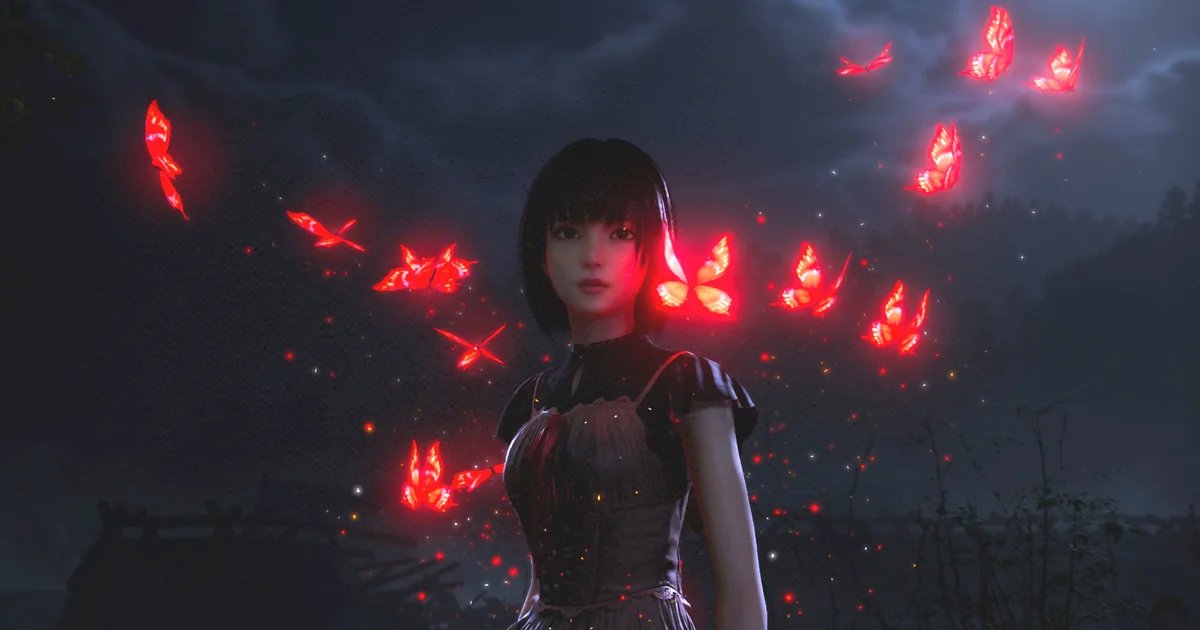
For survival horror fans of a certain vintage, Fatal Frame 2: Crimson Butterfly (AKA Project Zero 2) sits high in the spooky pantheon. This 80s-set tale of two twin sisters – Mio and Mayu Amakura, trapped in a haunted village doomed to relive the bloody night of its vanishing – was pretty damned scary when it first released for PS2 back in 2003, and it’s still an effective chiller today. So when Koei Tecmo announced it was partnering with Team Ninja to give the survival horror classic a slick modern-era makeover and a new lease of life, I was thrilled. But, alas, having now played it, I’m rather less enthused.
Fatal Frame 2 and its 2001 predecessor both emerged at the height of the J-horror boom, when the likes of Ring, Ju-On, and their numerous sequels – not to mention their American adaptations – were taking the world by storm. And both games, with their army of lank-haired ghosts and their quietly, carefully orchestrated chills, felt different enough from the campery of Resident Evil and psychological horror of Silent Hill that they quickly gained fans. Coming to the Fatal Frame 2 remake after more than two decades of diminishing J-horror returns, it’s perhaps no surprise to discover that some of its tricks, which once seemed so wonderfully fresh, now feel a little overplayed. But at least Team Ninja knows how to do a set-piece, and when it works, its remake is more than capable of eliciting genuine chills.
It helps that this modern version is a looker. True, it doesn’t have the sky-high production values of, say, Resident Evil Requiem, but Minakami Village, perpetually swathed in moonlight, is a gloriously atmospheric thing. Outdoors – as you do your usual survival horror McGuffin hunt in search of your missing sister – thick, lush foliage separates you from the world beyond, and it really does feel like a place lost in space and time. Here, the colour palette is midnight blue cut through with the orange glow of distant lanterns, while the claustrophobic squalor of its grimy, labyrinthine interiors – all rot and decay in this endless night – is a mood of its own. And even the grisly, grain-heavy black-and-white flashbacks remain joltingly effective.
All this is ably matched by some genuinely unsettling audio design. The oppressive soundtrack dips and swells like the howling wind, paired with funereal drumbeats and a rumbling chorus of distant, discordant song. The voices of the dead, meanwhile, whisper their last rasping moments through thick static, words smothered like a degraded ancient tape recording.
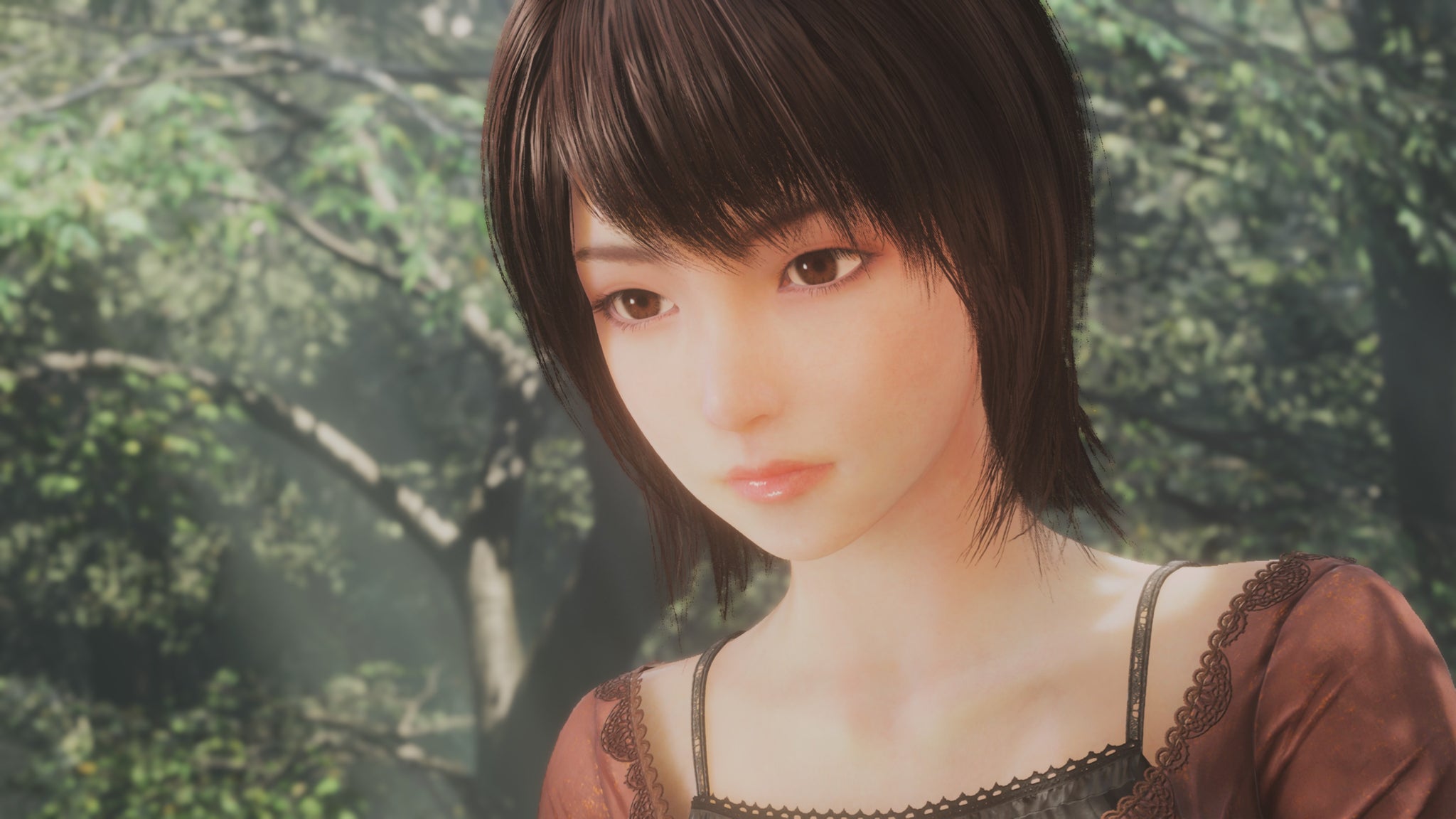
It’s wonderfully spooky stuff then. And Fatal Frame 2’s switch from fixed cameras to a third-person over-the-shoulder view (not, technically, a new change) works well enough too, even if it does mean losing some of the original’s carefully framed background chills – porcelain-faced spirits sometimes almost imperceptibly making their presence known. What’s gained, though, is a perspective that better serves the remake’s updated combat, where the fascinating Camera Obscura system is reborn into something snappier and more nimble.
The Fatal Frame series’ idiosyncratic photography based spirit-battling might be divisive, but I’ve always loved how good it is at accentuating the stress and scares – and the foundation is just as effective here. Essentially, hostile Wraiths are fought using the Camera Obscura, requiring you to peer through the viewfinder in first-person and start snapping away. The more successful the shot – the better focused it is, the more key areas of the spirit captured in frame – the more spectral lifeforce you’ll drain. It’s not that simple though; film stock – beyond the bogstandard stuff, at least – is in limited supply so you’ll need to snap selectively. And, crucially, shot reload time is slow, especially when using more powerful film, making you vulnerable to attack. There’s nuance then, but the clever bit when it comes to scares is that the most effective time to strike is almost always during a split-second moment when a Wraith is rushing right at you.
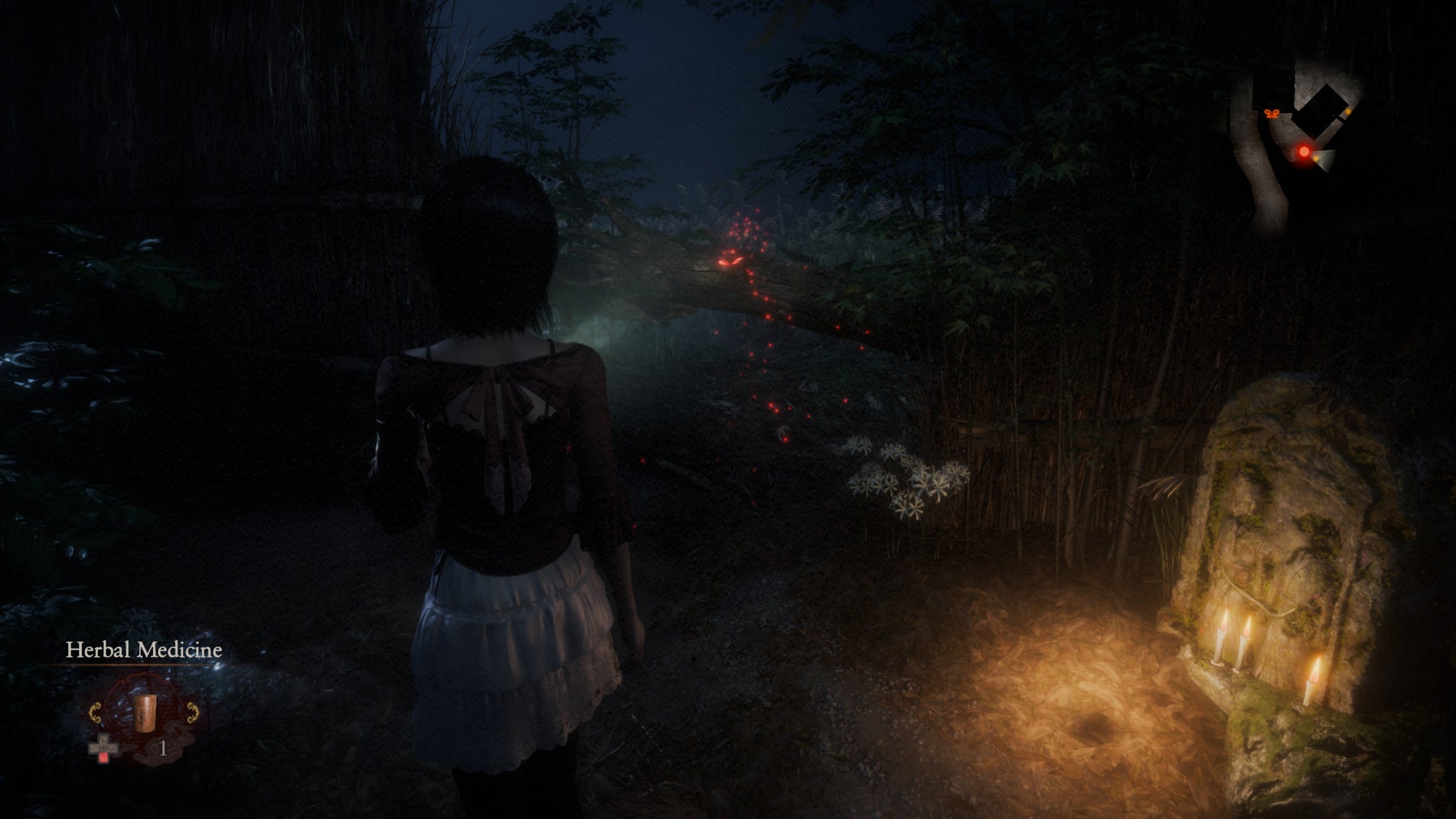
It’s incredibly intense, creating a foundational rhythm of clenched anticipation followed by what amounts to a sudden lunging jump scare, during which you’re expected to maintain enough composure to nail your framing and timing. And the tension is further heightened by the way spirits quietly drift out of existence mid-combat only to re-emerge behind you ready to strike again, meaning you’re frantically trying to find them while everything else is going on. For its remake though, Team Ninja has gone even further. There’s that increased nimbleness, for starters, with Mio able to dodge haltingly out of harm’s way, and this feeds into a new Willpower system – basically stamina – determining when and if she can sprint out of reach, use special attacks, and so on. It’s something else to keep track of, and then yet more stuff – different filters with different effects to be used in different situations, for instance – gets thrown in.
It works, and there’s still plenty of stress and tension to combat encounters, but it feels perhaps excessively fussy, needlessly fiddly, too. In fact, too much is a bit of a theme in Team Ninja’s remake as far as I’m concerned, and, each time, that too much further undermines the otherwise effectively unsettling mood. Spirits can randomly become “aggravated” during combat, for instance, at which point they’ll start hitting harder and regenerating their health until you can quell them with a convoluted counter – leading to increasingly protracted battles that feel more tedious than intimidating. Stealth is a thing too, as are patrolling ghosts, but the half-hearted implementation feels a little too corporeal – less like spirit hunting and more like hiding from a bunch of restless humans who happen to have turned see-through. Then you’ve got a couple of rudimentary insta-kill pursuit sequences that add little beyond time-wasting.
And there are other niggling issues that erode the atmosphere too. The idea of expanded side missions exploring the backstories of Fatal Frame 2’s peripheral characters is neat, but these off-the-beaten-track mini-adventures do rather suck the urgency from proceedings as they pull you away from the main plot – your twin sister is in peril, Mio! And that’s alongside other odd bits of design that irk in a multitude of new ways (why introduce an unintuitive new combat mechanic, only to wait until after I’ve struggled through a fight to explain it?; why is the map buried inside the main menu, which I can only open by hitting X, when both the back and start buttons are largely unused?). I’d hoped I’d eventually settle into the Fatal Frame 2 remake’s rhythms, but after six or so hours, my perpetual micro-annoyance doesn’t seem to be abating.
That’s a shame because there are stretches where it’s great; when you’re alone among the shadowy dereliction, with nothing for company but the eerie soundtrack and the paper-y whispers of the dead; when the grimly unsettling atmosphere of Minakami Village is given space to grow. I still love the way that picking up an item or slowly sliding open a door causes the camera to deliberately glide in close, threatening you with a jump scare that may or may not come. And there are some strong set-pieces too. The original’s drowned lady fight is, here, strikingly reimagined; your surroundings slowly starting to resemble the sunken depths as the battle draws on. And even the new optional twin doll puzzles – where you need to find them in the environment and get them both in shot – are fun. But every time I think I’m settling back in, every time the mood thickens and the horror starts to take hold, the remake finds another way to be irksome and I’m yanked out again. Right now, I’m just about enjoying myself enough, enjoying reliving its darkly compelling tale enough, that I want to play on, but this isn’t quite the killer remake I was hoping to see for one of my most fondly remembered survival horror games.