dailynewsnblog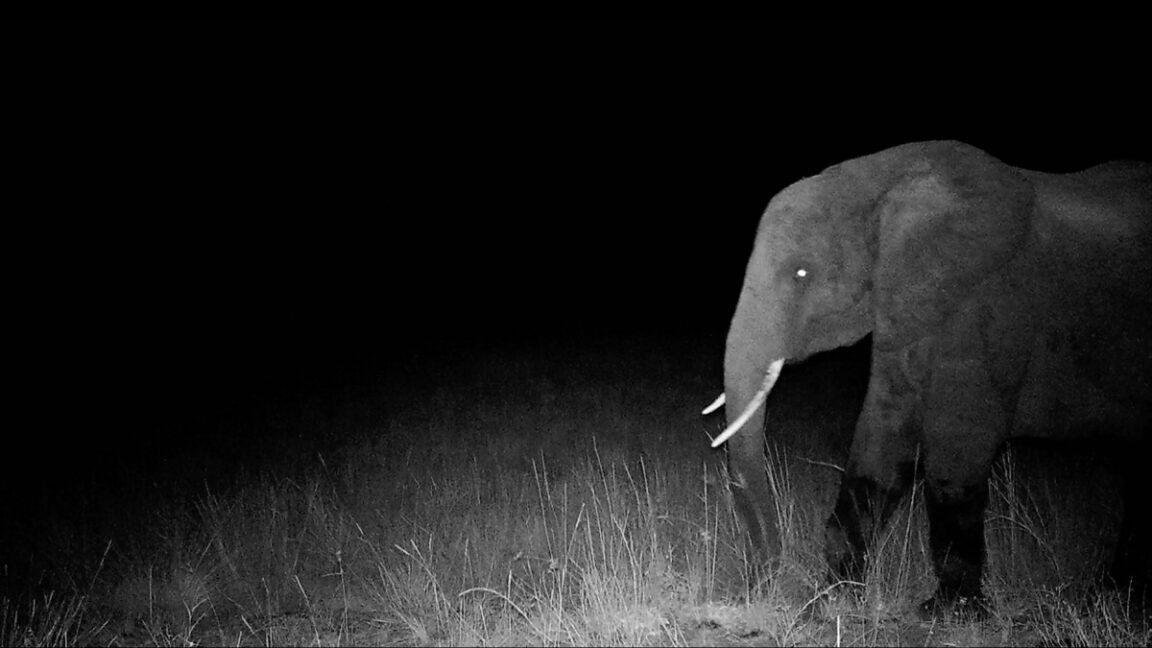
Deep in the Angolan Highlands lurks a rumored new species of elephant. Conservationist and ornithologist Steve Boyes has been searching for this elusive herd for years and the story of his journey is the focus of Ghost Elephants, a haunting, evocative documentary directed by Werner Herzog. The film debuted at the Venice International Film Festival last summer and is now coming to National Geographic and Disney+.
It might seem unusual for an ornithologist to embark on a quest to find remote pachyderms, but for Boyes the connection is perfectly natural. He grew up in South Africa and wanted nothing more than to be an explorer, just like the people he read about every month in National Geographic magazine. “I grew up waiting for the magazine to arrive; I wanted the maps,” Boyes told Ars. “Those would become my garden, or the field beyond, or the river—wild places imagined and real.”
Boyes’ parents frequently took him and his brother out into the wild, including visits to Botswana and Tanzania. “We used to embed ourselves in baboon troops and walk with impalas,” said Boyes, and while his brother feared elephants, Boyes was walking with them from a young age. Ghost Elephants contains some gorgeous underwater footage of elephant feet plodding through the water, and elephants swimming on their sides, behavior that matches Boyes’ own experiences with the animals. Under the right circumstances, if they don’t feel threatened, elephants “will come and swim around you and with you and interact with you,” he said. “So elephants have always fascinated me.”
As an adult, Boyes conducted his PhD research on the Meyer’s parrot in the Okavango Delta, which has the single largest population of elephants in the world. They shared a symbiotic relationship of sorts with the parrots. “Every tree that the parrots were feeding on, the elephantss were feeding on,” he said. “The elephants were creating the nest cavities for the parrots by disturbing the trees.”