dailynewsnblog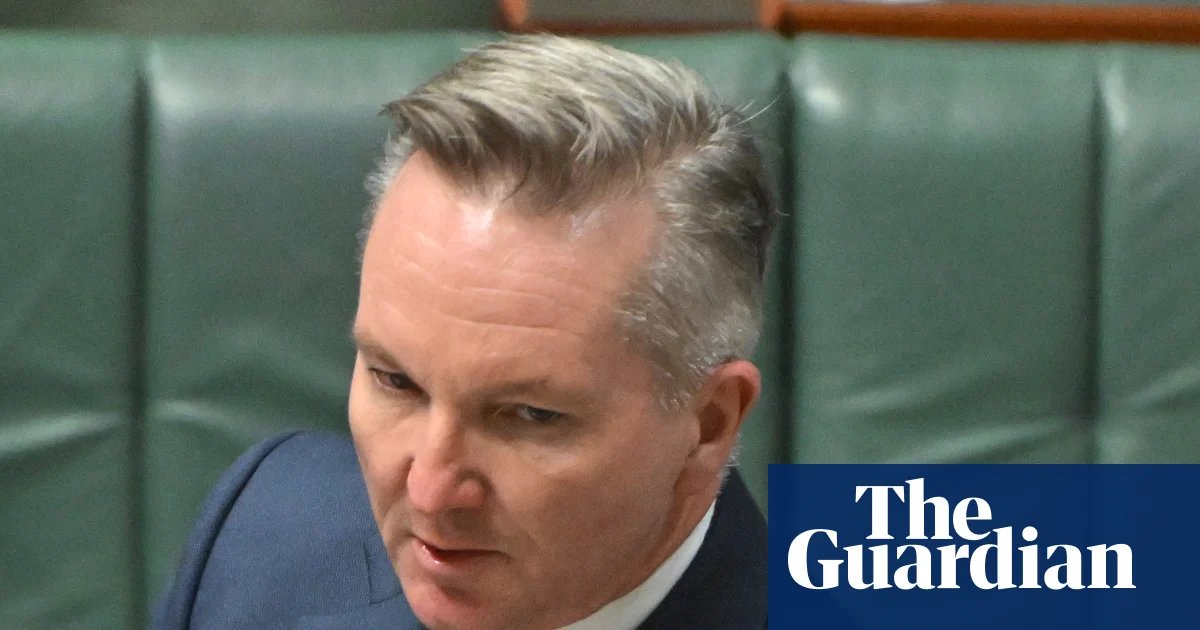
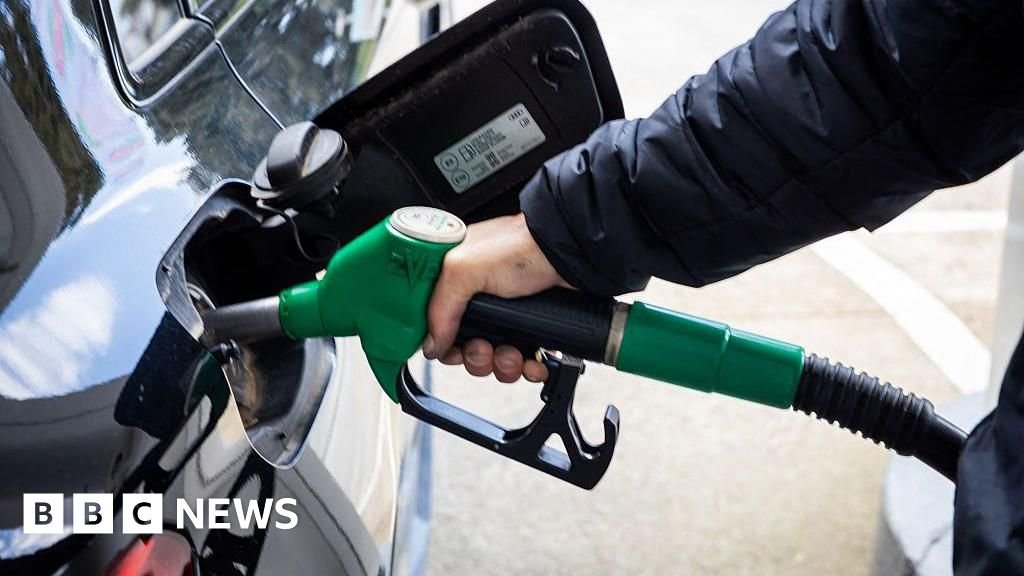
Hundreds of service stations across Australia have run out of fuel, with the federal government inking a deal with Singapore, one of the country’s biggest sources of refined petroleum, to keep supplies of diesel and petrol flowing.
Concerns are now broadening to supplies of fertiliser and other chemicals, heaping more pressure on the Albanese government’s leveraging of overseas exports of coal and gas in a bid to handle of the crisis.
The energy minister, Chris Bowen, told federal parliament on Monday that 109 outlets in Victoria had run out of at least one grade of petrol, that there were 47 outlets in Queensland with no diesel and 32 without regular unleaded, and that 37 stations in New South Wales had run out of petrol.
The NSW premier, Chris Minns, had said earlier in the day that 105 outlets in his state were without diesel.
Bowen didn’t share statistics for Western Australia, the Northern Territory, South Australia or Tasmania. He also declined to say exactly when the government became aware of six shipments of oil not making its way to Australia, a fact he revealed on Sunday, only saying it was an “iterative process” and they had not all been cancelled on the same day.
Bowen again said any moves toward fuel rationing were not an immediate prospect, but said his department had undertaken “prudent contingency planning”, and that “significant powers” in this regard had also been delegated to state governments.
“That indicates the public restraint, public information campaigns and requesting people to save fuel would be the first step, and that only after that, would any further actions be considered. I made clear yesterday, I think we’re a long way from that,” Bowen told parliament.
Government sources said state government powers would be engaged before the federal power to declare a national fuel emergency.
Anthony Albanese released a joint statement with the Singaporean prime minister, Lawrence Wong, reaffirming the two nations would continue trading in energy.
Singapore is one of the major sources of oil imported into Australia; there has been growing concern from energy experts that nations will start keeping oil for their own domestic consumption instead of exporting their usual amounts, following a statement from Malaysia last week that the country’s government would “prioritise our own needs”.
The Australia-Singapore statement said the two countries would “support the flow of essential goods including petroleum oils, such as diesel, and liquefied natural gas between our two countries, and to notify and consult each other on any disruptions with ramifications on the trade of energy.”
“We call on other trading partners to join us in ensuring global energy supply chains are kept open, for the benefit of the security and prosperity of our peoples.”
Government sources had forecast that Australia would seek to use the “leverage” of our major exports of natural gas and coal to ensure oil imports continued. Australia is one of the largest exporters of gas in the world, and while a separate discussion is ongoing about the potential to level a new tax on gas profits, the government is seeking to use our gas exports as a bargaining chip to lock in oil imports.
The Nationals leader, Matt Canavan, said Australian fossil fuel exports should help ensure oil supplies continued.
“It’s the only way, that coal and gas, that we’re going to be able to keep our fuel and fertiliser coming to our country,” he told a press conference.
“We are in the very lucky position that the countries we do import a lot of our food and fertiliser from are also the countries that rely on our coal and gas. So we should be making that point.”
The shadow resources spokesperson, Susan McDonald, reportedly told the Nine newspapers that “if we can’t get the straits open quickly, then lifting sanctions on Russian-produced fertiliser would be required”.
However Canavan did not endorse the suggestions from his colleague, saying there were “lots of options available before we have to necessarily get to that”.
“I don’t want to see us, though, do anything that weakens our support for Ukraine and the opposition to the illegal invasion there. So let’s exhaust all other options first,” he said.
The government has a longstanding policy of not commenting publicly on possible sanctions measures, but it’s understood there are no imminent moves to alter Australia’s sanctions regime.