dailynewsnblog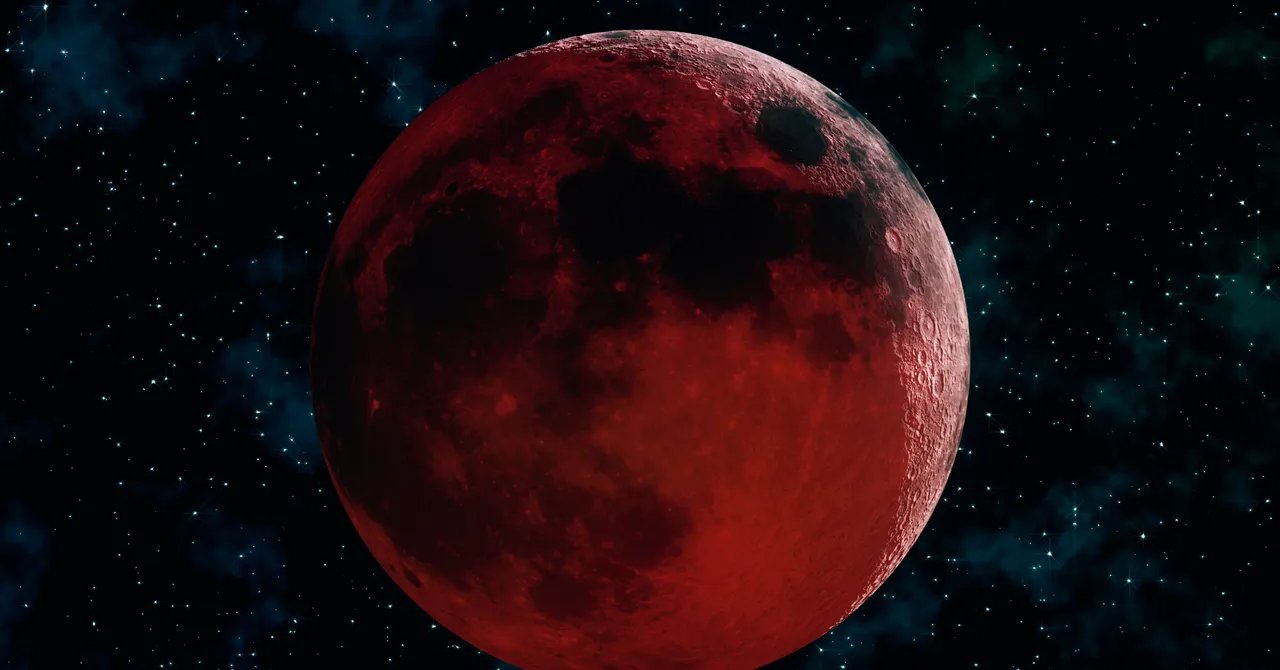
The first major astronomical event visible in 2026 is a total lunar eclipse, or “blood moon.” This phenomenon is highly prized by stargazers because the entire lunar disk takes on a reddish color for a few moments.
The total lunar eclipse will occur on March 3. It will be clearly visible in North and Central America, while in Central and South Asia it will only be partially visible. It will not be visible in Europe or Africa.
Although the eclipse will begin in the early morning, totality will occur almost at dawn on March 3. A few hours before sunrise, the full moon will take on its characteristic reddish color for just 12 minutes.
Times of the Total Lunar Eclipse or “Blood Moon”
- Los Angeles: 3:04 am
- Denver: 4:04 am
- Chicago: 5:04 am
- St. Louis: 5:04 am
- New York: 6:04 am
- Washington, DC: 6:04 am
It’s safe to view a total lunar eclipse, unlike a solar eclipse. You don’t need any special equipment; just go to a high vantage point and dress warmly. Keep in mind that at the time of totality, the moon will be almost touching the horizon, about to disappear. That’s why it’s necessary to view it from a high place, with no buildings or trees blocking your view.

Why Does the Moon Turn Red?
During a total lunar eclipse, the moon does not lose its brightness completely, but takes on a dull red hue. This happens because the Earth is positioned between the sun and the moon and casts its shadow on the lunar surface.
Unlike the moon, the Earth is surrounded by an atmosphere, which filters sunlight. Thanks to it, we see the blue sky, the orange sunset, or distant objects in opaque tones. The light coming from the sun and passing through the Earth’s atmosphere manages to reach the moon, although in a smaller proportion. Those already filtered rays impact the satellite, painting it red. “It’s as if all the world’s sunrises and sunsets are projected onto the moon,” NASA explains.
Total lunar eclipses are slightly rarer than total solar eclipses. A blood moon occurs every 2.5 years on average, while a total solar eclipse happens about every 18 months, according to NASA’s astronomical catalogs.
Total lunar eclipses seem more frequent because they can be observed from anywhere it is nighttime. In contrast, to see a total solar eclipse it is necessary to be exactly in the narrow band of totality. For example, an observer can see a total lunar eclipse every two to three years, but might have to wait about 375 years to see a total solar eclipse from his or her city.
This story originally appeared on WIRED en Español and has been translated from Spanish.